What is Disequilibrium in Economics?
Explore what disequilibrium in economics means, its causes, effects, and how markets adjust to restore balance.
Introduction
Understanding disequilibrium in economics helps you grasp why markets sometimes fail to clear instantly. When supply and demand don’t match, prices or quantities can be out of sync, causing temporary imbalances.
In this article, we’ll explore what disequilibrium means, why it happens, and how economies adjust. This knowledge can help you better interpret market behaviors and economic policies.
What is Disequilibrium in Economics?
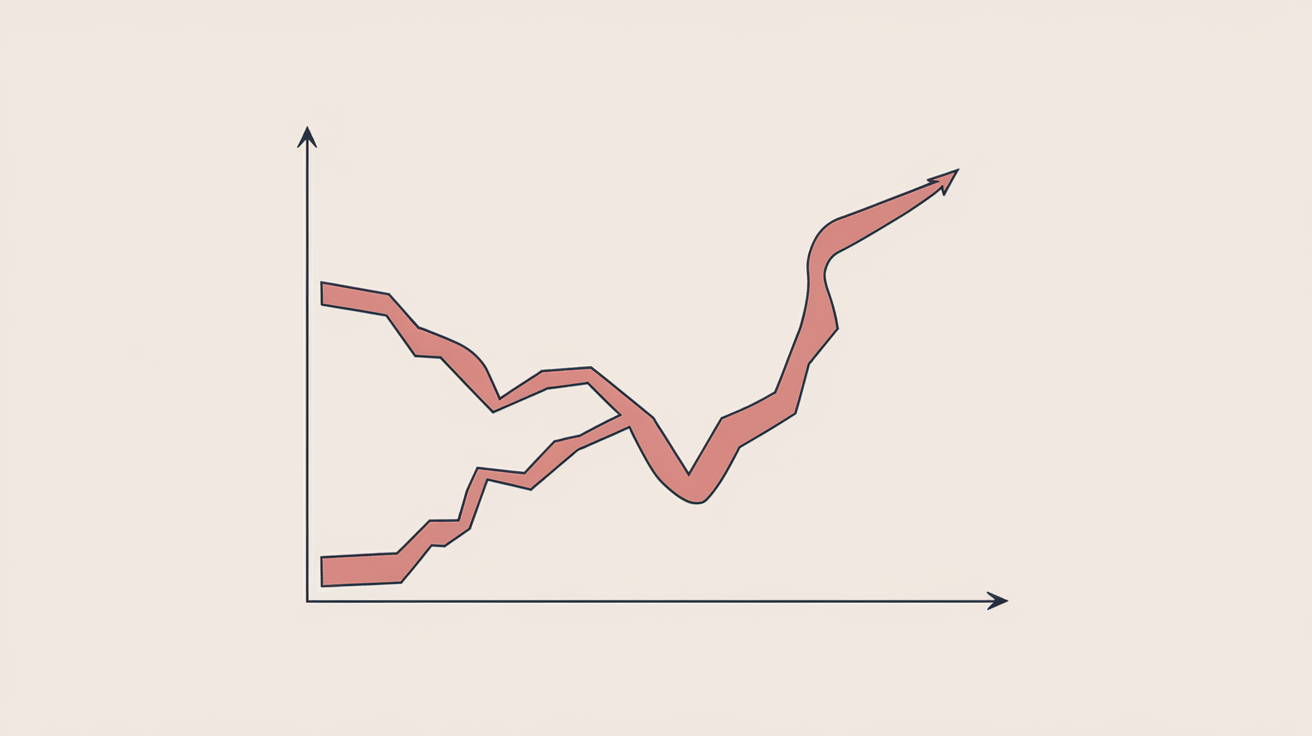
Disequilibrium occurs when there is a mismatch between supply and demand in a market. Unlike equilibrium, where quantity supplied equals quantity demanded at a certain price, disequilibrium means the market is not balanced.
This imbalance can lead to shortages or surpluses, causing prices or quantities to adjust over time. Disequilibrium is a natural part of dynamic markets as they respond to changes.
Key Characteristics of Disequilibrium
Prices do not clear the market immediately.
Excess demand (shortage) or excess supply (surplus) exists.
Market forces push prices or quantities toward equilibrium.
Causes of Disequilibrium
Several factors can cause disequilibrium in markets. Understanding these helps explain why markets sometimes fail to clear instantly.
- Sudden shifts in demand or supply:
Changes in consumer preferences or production costs can disrupt balance.
- Price rigidities:
Prices may be slow to adjust due to contracts, regulations, or menu costs.
- External shocks:
Events like natural disasters or policy changes can create temporary imbalances.
- Information delays:
Buyers and sellers may not have perfect or timely information.
Effects of Disequilibrium on Markets
When disequilibrium occurs, markets experience certain effects that influence economic activity and decision-making.
- Shortages:
When demand exceeds supply, consumers compete, often pushing prices up.
- Surpluses:
When supply exceeds demand, unsold goods accumulate, leading to price drops.
- Market adjustments:
Prices and quantities change over time to restore equilibrium.
- Economic inefficiencies:
Temporary misallocation of resources can occur until balance is restored.
How Markets Adjust to Disequilibrium
Markets have natural mechanisms to move from disequilibrium back to equilibrium. These adjustments can happen through price changes or quantity changes.
- Price adjustments:
Prices rise when there is excess demand and fall when there is excess supply.
- Quantity adjustments:
Producers may increase or decrease output based on market signals.
- Time lags:
Adjustments may take time due to contracts, production constraints, or information flow.
Role of Government and Policy
Sometimes, government intervention can affect disequilibrium. For example, price controls like minimum wages or rent caps can prevent prices from adjusting freely, prolonging imbalances.
Policies aimed at improving market information or reducing rigidities can help markets reach equilibrium faster.
Examples of Disequilibrium in Real Economies
Disequilibrium is common in various markets and economic situations.
- Labor markets:
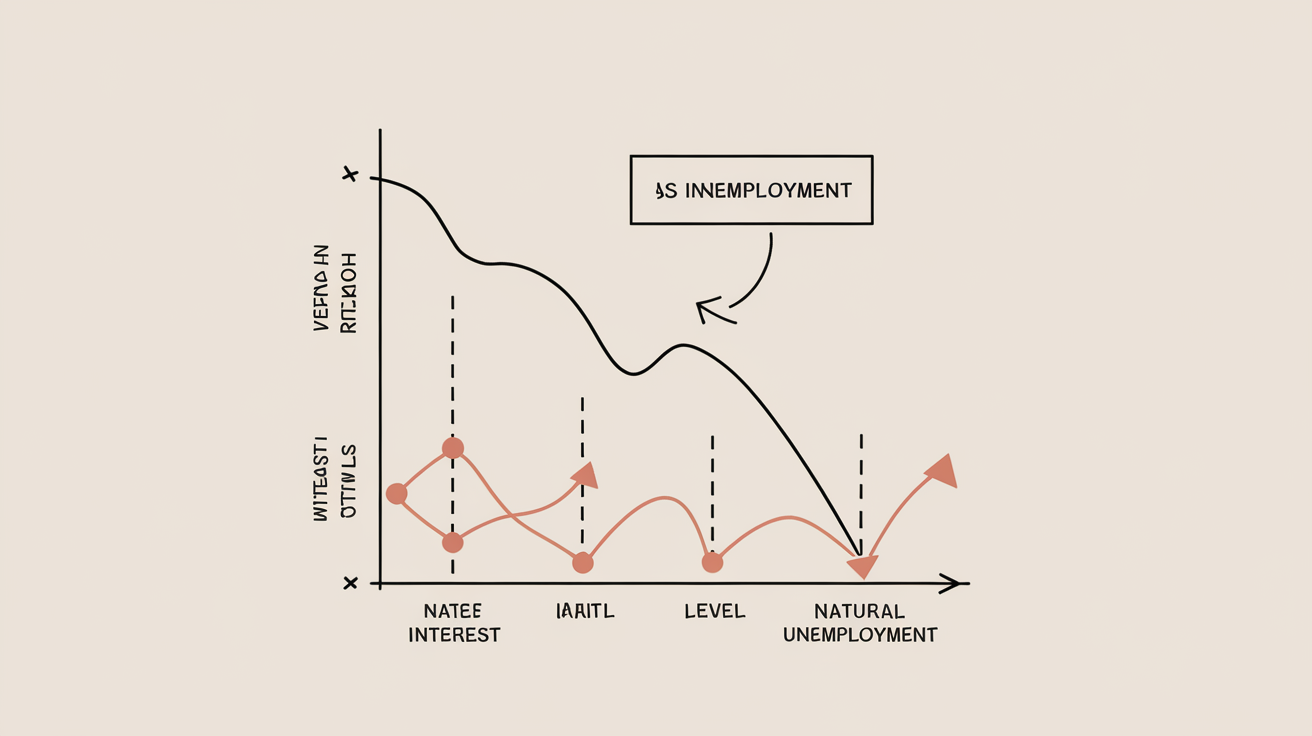
Minimum wage laws can cause unemployment by setting wages above equilibrium.
- Housing markets:
Rent controls may lead to housing shortages.
- Commodity markets:
Sudden supply disruptions can cause price spikes and shortages.
Conclusion
Disequilibrium in economics describes the temporary imbalance between supply and demand in a market. It explains why prices or quantities may not always match instantly.
By understanding its causes and effects, you can better interpret market dynamics and the role of policies in restoring balance. Markets naturally adjust over time, but external factors and rigidities can influence the speed of this process.
What causes disequilibrium in economics?
Disequilibrium is caused by sudden shifts in supply or demand, price rigidities, external shocks, and delays in information flow.
How do markets restore equilibrium?
Markets restore equilibrium through price and quantity adjustments, where prices rise or fall and producers change output levels.
Can government policies affect disequilibrium?
Yes, policies like price controls can prevent prices from adjusting, prolonging disequilibrium, while others improve market efficiency.
What are examples of disequilibrium?
Examples include labor market unemployment due to minimum wages, housing shortages from rent controls, and commodity price spikes from supply shocks.
Why is understanding disequilibrium important?
It helps you understand market imbalances, economic inefficiencies, and the impact of policies on market adjustments.