What is Demand Shock in Macroeconomics?
Understand demand shock in macroeconomics, its causes, effects, and how it impacts the economy and policy decisions.
Introduction
When you hear about sudden changes in the economy, demand shock is often a key factor. It happens when consumer demand for goods and services changes abruptly, shaking up the entire market. Understanding demand shock helps you see why prices, jobs, and growth can shift quickly.
We’ll explore what demand shock means in macroeconomics, what causes it, and how it affects the economy. This knowledge can help you make smarter financial decisions and understand economic news better.
What is Demand Shock?
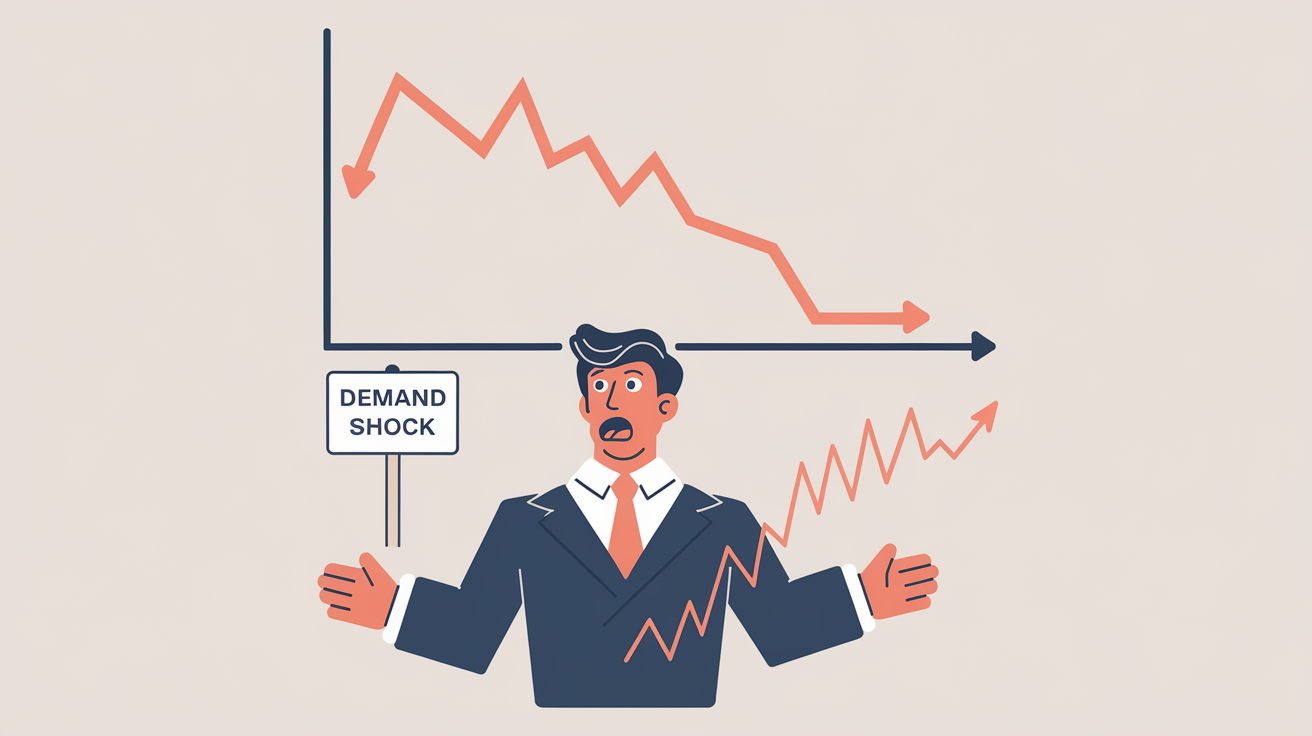
Demand shock refers to a sudden and unexpected change in the demand for goods and services across the economy. This shift can be either positive (increased demand) or negative (decreased demand). It disrupts the usual balance between supply and demand, leading to changes in prices, production, and employment.
Unlike gradual changes, demand shocks happen quickly and can have widespread effects on economic activity.
Types of Demand Shocks
- Positive Demand Shock:
When consumers suddenly want more goods and services, boosting economic growth.
- Negative Demand Shock:
When demand drops sharply, causing slower growth or recession.
Causes of Demand Shock
Several factors can trigger a demand shock. These causes often relate to changes in consumer confidence, government policies, or external events.
- Consumer Confidence:
If people feel optimistic about the future, they spend more, causing a positive demand shock.
- Fiscal Policy Changes:
Tax cuts or stimulus payments can increase demand quickly.
- Monetary Policy:
Lower interest rates make borrowing cheaper, encouraging spending.
- External Events:
Natural disasters, pandemics, or geopolitical tensions can reduce demand suddenly.
- Technological Changes:
New innovations can shift consumer preferences rapidly.
Effects of Demand Shock on the Economy
Demand shocks influence many parts of the economy. The impact depends on whether the shock is positive or negative.
Positive Demand Shock Effects
Higher production as businesses respond to increased demand.
Rising employment to meet new consumer needs.
Potential inflation if demand outpaces supply.
Economic growth accelerates.
Negative Demand Shock Effects
Reduced production and layoffs as demand falls.
Lower inflation or deflation due to weak spending.
Slower economic growth or recession risks.
Businesses may cut investment and delay expansion.
How Policymakers Respond to Demand Shocks
Governments and central banks use various tools to manage demand shocks and stabilize the economy.
- Monetary Policy:
Central banks may lower interest rates to boost demand or raise them to cool overheating.
- Fiscal Policy:
Governments can increase spending or cut taxes to stimulate demand during downturns.
- Automatic Stabilizers:
Programs like unemployment benefits help maintain demand when incomes fall.
Effective policy responses can reduce the negative impacts of demand shocks and support recovery.
Examples of Demand Shocks
Looking at real-world examples helps clarify how demand shocks work.
- COVID-19 Pandemic:
A negative demand shock occurred as lockdowns reduced consumer spending globally.
- Stimulus Checks:
Government payments during the pandemic created a positive demand shock, boosting spending.
- Oil Price Shocks:
Sudden changes in oil prices can affect demand for goods and services broadly.
Conclusion
Demand shock is a powerful force in macroeconomics that causes sudden shifts in consumer spending. Whether positive or negative, it affects production, employment, prices, and overall economic health.
By understanding demand shocks, you can better grasp economic news and anticipate how changes in demand might influence markets and policies. This insight is valuable for making informed financial and investment decisions.
FAQs
What is the difference between demand shock and supply shock?
Demand shock affects consumer demand suddenly, while supply shock impacts the availability or cost of goods and services. Both disrupt the economy but in different ways.
Can demand shocks cause inflation?
Yes, a positive demand shock can lead to inflation if demand grows faster than supply, pushing prices up.
How do central banks respond to negative demand shocks?
Central banks often lower interest rates to encourage borrowing and spending, aiming to boost demand during downturns.
Are demand shocks always bad for the economy?
No, positive demand shocks can stimulate growth and job creation, while negative shocks can signal economic problems.
How can businesses prepare for demand shocks?
Businesses can diversify products, maintain flexible operations, and monitor economic indicators to adapt quickly to demand changes.