What Is Underemployment In Economics?
Understand underemployment in economics, its causes, effects, and how it impacts the labor market and economy.
Introduction
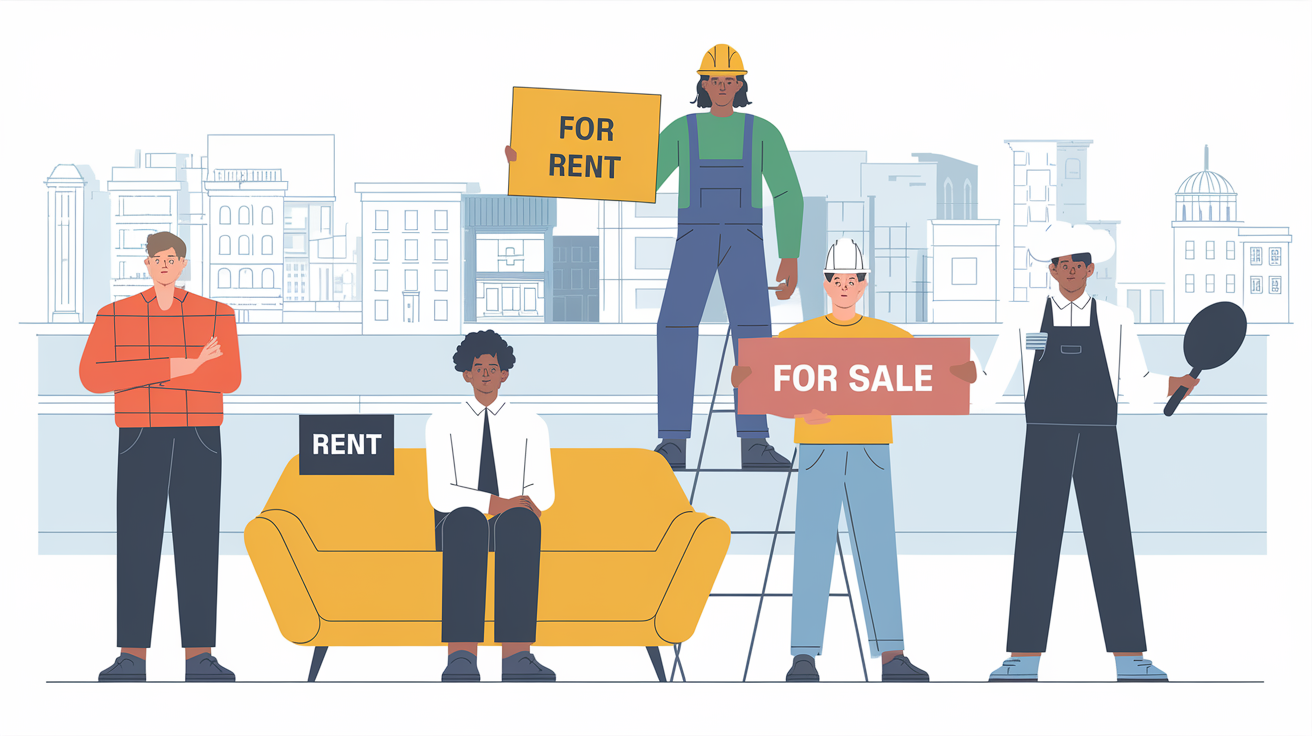
Underemployment is a key concept in economics that affects many workers and the overall economy. It happens when people work less than they want or use fewer skills than they have. Understanding underemployment helps you see hidden problems in the job market.
In this article, we’ll explore what underemployment means, why it happens, and how it impacts workers and businesses. You’ll learn how to spot underemployment and why it matters for economic growth and personal finances.
What Is Underemployment?
Underemployment occurs when workers are employed but not in a way that fully utilizes their skills or desired working hours. It differs from unemployment because people do have jobs, but these jobs don’t meet their full potential or needs.
Workers may be part-time but want full-time jobs.
People may work in jobs that don’t require their education or experience.
Some may have irregular or unstable work hours.
Underemployment shows hidden labor market weakness that official unemployment rates might miss.
Types of Underemployment
Visible Underemployment
This type refers to workers who want more hours but can only find part-time or temporary work. For example, a college graduate working 20 hours a week at a retail store while seeking full-time employment.
Invisible Underemployment
Invisible underemployment happens when workers are employed full-time but in jobs below their skill level. For example, an engineer working as a cashier due to lack of suitable jobs.
Overqualification
Overqualification is a form of invisible underemployment where employees have higher education or skills than their current job requires. This can lead to dissatisfaction and lower productivity.
Causes of Underemployment
Several factors contribute to underemployment in the economy. Understanding these helps identify solutions.
- Economic downturns:
Recessions reduce job availability, forcing workers into part-time or lower-skilled roles.
- Technological changes:
Automation can eliminate certain jobs, pushing workers into less suitable roles.
- Mismatch of skills:
When education or training doesn’t align with market needs, workers struggle to find appropriate jobs.
- Labor market rigidities:
Regulations or lack of flexible work options can limit job growth.
- Seasonal or temporary work:
Industries like agriculture or tourism often offer unstable or part-time jobs.
Effects of Underemployment
Underemployment impacts individuals, businesses, and the economy in several ways.
- Lower income:
Workers earn less than their potential, affecting living standards.
- Reduced job satisfaction:
Mismatched roles can cause frustration and lower motivation.
- Wasted skills:
Economies lose productivity when workers are not fully utilized.
- Increased poverty risk:
Underemployment can trap people in low-income situations.
- Slower economic growth:
When many workers are underemployed, overall demand and innovation may decline.
How Underemployment Is Measured
Measuring underemployment is challenging because it includes hidden aspects beyond unemployment rates.
- Labor force surveys:
These ask workers about hours worked and job satisfaction.
- Underemployment rate:
Percentage of workers who want more hours or better jobs but cannot find them.
- Skill mismatch indicators:
Data on workers employed below their education or skill level.
Governments and economists use these measures to get a fuller picture of labor market health.
Underemployment vs. Unemployment
While unemployment means having no job, underemployment means having a job that is insufficient in hours or skill use. Both are signs of labor market problems but require different policy responses.
- Unemployment:
No paid work but actively seeking a job.
- Underemployment:
Employed but working less or below skill level than desired.
Addressing underemployment can improve economic efficiency and worker well-being beyond just reducing unemployment.
Strategies to Reduce Underemployment
Reducing underemployment requires coordinated efforts from governments, businesses, and workers.
- Skills training and education:
Aligning education with market needs helps workers find suitable jobs.
- Promoting full-time job creation:
Economic policies that encourage stable employment.
- Flexible work arrangements:
Allowing part-time workers to increase hours more easily.
- Supporting entrepreneurship:
Helping workers create their own opportunities.
- Improving labor market data:
Better tracking of underemployment to design targeted policies.
Conclusion
Underemployment is a hidden but significant issue in economics that affects many workers and the economy. It shows when people have jobs that don’t fully meet their needs or skills.
By understanding underemployment, you can better grasp labor market challenges and the importance of policies that create quality jobs. Addressing underemployment helps improve incomes, job satisfaction, and economic growth.
What is the main difference between underemployment and unemployment?
Unemployment means having no job but actively seeking work, while underemployment means having a job that is insufficient in hours or skill use.
How does underemployment affect economic growth?
Underemployment reduces productivity and income, which lowers consumer spending and slows overall economic growth.
Can underemployment be temporary?
Yes, underemployment can be temporary during economic downturns or while workers search for better jobs.
What industries commonly have higher underemployment?
Industries like retail, hospitality, agriculture, and tourism often have higher underemployment due to seasonal or part-time work.
How can workers reduce their risk of underemployment?
Workers can reduce risk by gaining relevant skills, pursuing education aligned with market needs, and seeking flexible or full-time job opportunities.