What is Risk-Return Tradeoff in Finance
Explore the risk-return tradeoff in finance, understanding how balancing risk and reward guides smarter investment decisions for long-term growth.
Introduction
When you invest your money, you often hear about the risk-return tradeoff. This concept is key to understanding how investments work and how you can make smarter financial choices. It means that the potential return on any investment is linked to the amount of risk you take.
In this article, we’ll break down what the risk-return tradeoff means, why it matters, and how you can use it to build a better investment strategy. Whether you’re new to investing or want to improve your knowledge, this guide will help you make clearer decisions.
What is the Risk-Return Tradeoff?
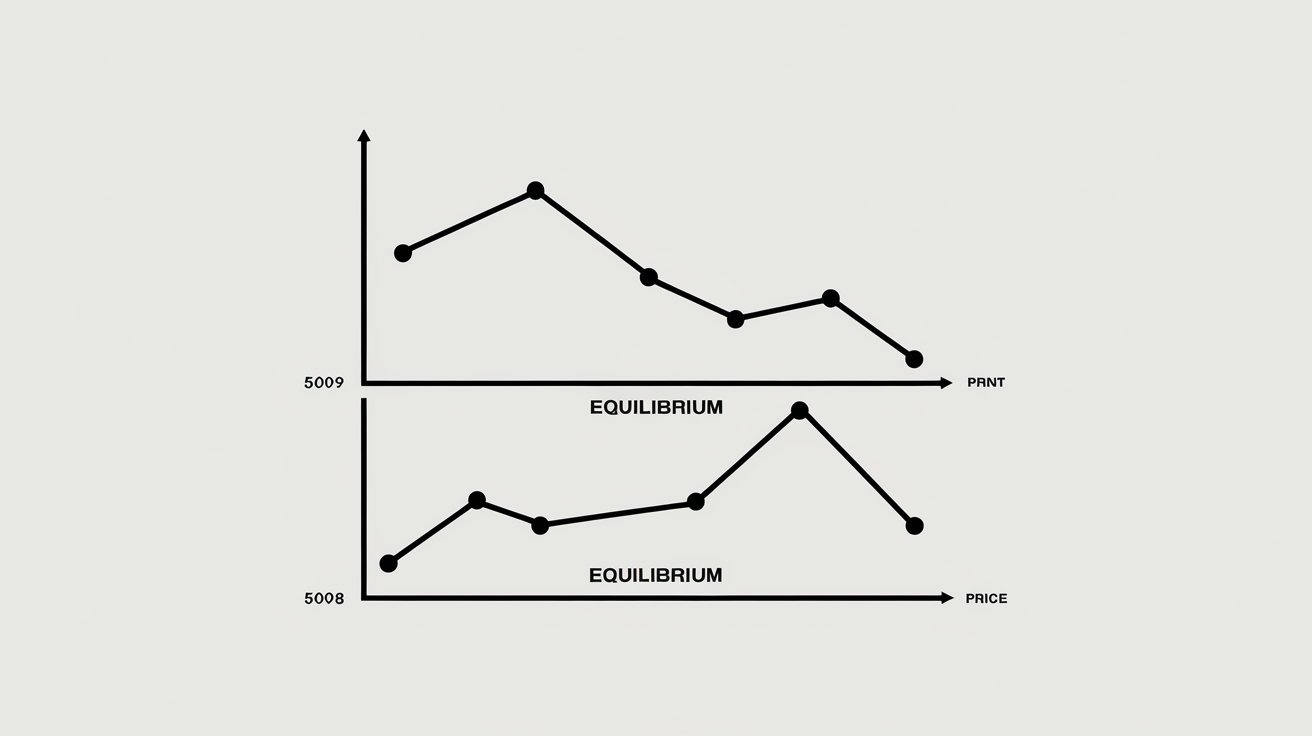
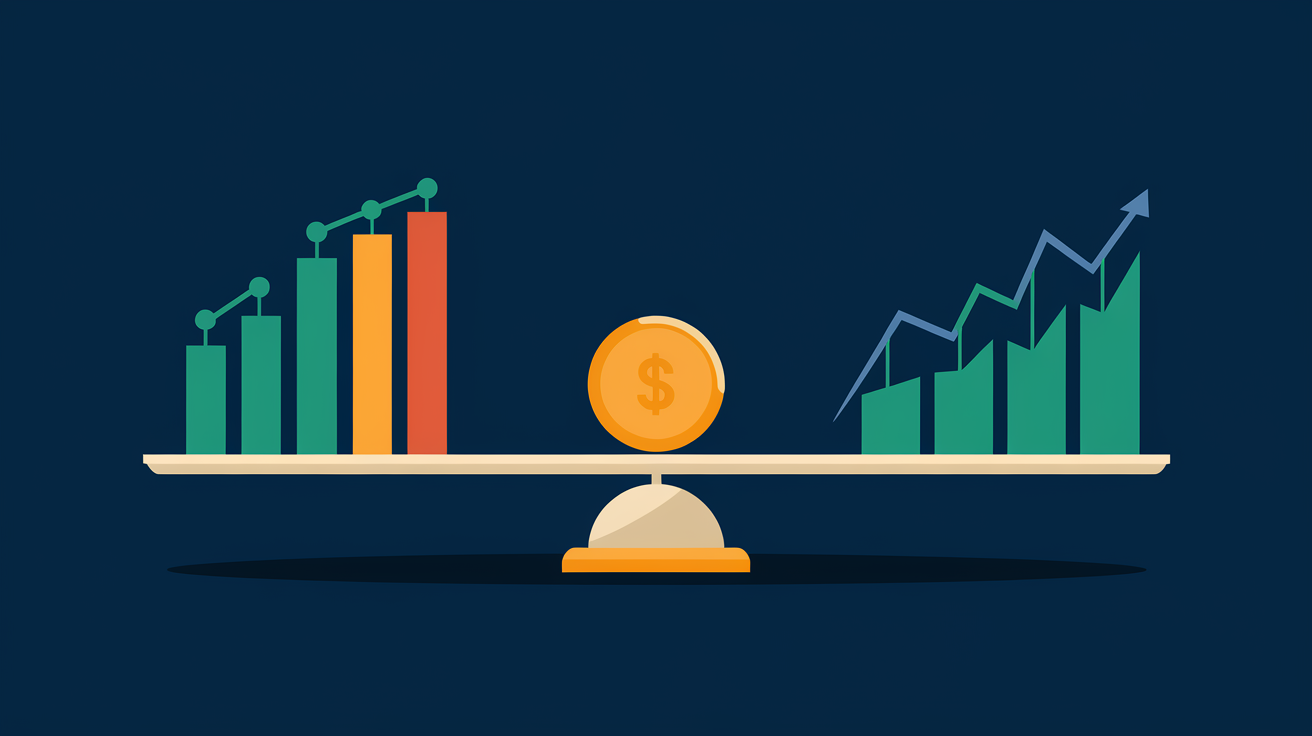
The risk-return tradeoff is a fundamental idea in finance. It states that investments with higher potential returns usually come with higher risks. Conversely, safer investments tend to offer lower returns. This balance helps investors decide how much risk they are willing to take for a possible reward.
For example, government bonds are considered low-risk but offer modest returns. Stocks, on the other hand, can provide higher returns but with greater chance of loss. Understanding this tradeoff helps you pick investments that match your goals and comfort with risk.
Why Does the Risk-Return Tradeoff Matter?
Knowing about the risk-return tradeoff helps you avoid surprises. It sets realistic expectations about what your investments can achieve. Without this knowledge, you might choose investments that are too risky or too safe for your needs.
It guides your investment choices based on your financial goals.
Helps you balance your portfolio to manage risk effectively.
Prepares you mentally for market ups and downs.
Encourages diversification to reduce overall risk.
Types of Risks in Investments
Risk can come in many forms. Here are some common types you should know:
- Market Risk:
The chance that the overall market will decline, affecting your investments.
- Credit Risk:
The risk that a borrower won’t repay a loan or bond.
- Liquidity Risk:
Difficulty in selling an investment quickly without losing value.
- Inflation Risk:
When inflation reduces the purchasing power of your returns.
- Interest Rate Risk:
Changes in interest rates that affect bond prices and other investments.
How to Measure Risk and Return
Investors use several tools to measure risk and return. Here are the basics:
- Return:
Usually measured as a percentage gain or loss over a period.
- Volatility:
Shows how much an investment’s price fluctuates, often measured by standard deviation.
- Beta:
Measures how much a stock moves compared to the overall market.
- Sharpe Ratio:
Compares return to risk, helping you see if an investment’s reward justifies its risk.
Balancing Risk and Return in Your Portfolio
Creating a balanced portfolio means mixing different types of investments to manage risk while aiming for good returns. Here’s how you can approach it:
- Assess Your Risk Tolerance:
Understand how much risk you can handle emotionally and financially.
- Diversify:
Spread investments across stocks, bonds, and other assets to reduce risk.
- Set Clear Goals:
Define what you want to achieve and your time horizon.
- Review Regularly:
Adjust your portfolio as your goals or market conditions change.
Examples of Risk-Return Tradeoff
Let’s look at some examples to see the tradeoff in action:
- Savings Accounts:
Very low risk, but interest rates are also low, so returns are minimal.
- Blue-Chip Stocks:
Moderate risk with potential for steady returns over time.
- Start-Up Investments:
High risk due to uncertainty, but possible very high returns if successful.
Common Mistakes to Avoid
Understanding risk-return tradeoff helps you avoid these pitfalls:
Chasing high returns without considering the risk involved.
Ignoring diversification and putting all money into one investment.
Reacting emotionally to market swings instead of sticking to a plan.
Underestimating how much risk you can handle.
Conclusion
The risk-return tradeoff is a simple but powerful idea that shapes every investment decision. Knowing that higher returns come with higher risks helps you make smarter choices aligned with your goals.
By understanding your risk tolerance, diversifying your portfolio, and measuring risk properly, you can build a strategy that balances safety and growth. This knowledge empowers you to invest confidently and work toward long-term financial success.
What is the risk-return tradeoff in simple terms?
It means that investments with higher potential returns usually come with higher risks, while safer investments offer lower returns.
How can I assess my risk tolerance?
Consider your financial goals, time horizon, and how comfortable you feel with losing money temporarily before deciding your risk level.
Why is diversification important in managing risk?
Diversification spreads your money across different assets, reducing the impact if one investment performs poorly.
What tools measure investment risk?
Common tools include volatility (standard deviation), beta, and the Sharpe ratio, which compare risk and return.
Can low-risk investments grow wealth effectively?
Low-risk investments grow wealth slowly and steadily but may not keep up with inflation or meet aggressive financial goals alone.