What is Demand Schedule in Microeconomics?
Understand the demand schedule in microeconomics, how it shows quantity demanded at different prices, and its role in market analysis.

Introduction to Demand Schedule
When you want to understand how buyers react to price changes, the demand schedule is a key tool. It shows the quantity of a product consumers are willing to buy at different prices. This helps you see the relationship between price and demand clearly.
In microeconomics, knowing the demand schedule helps you predict market behavior. It’s essential for businesses setting prices and for policymakers analyzing consumer trends.
What is a Demand Schedule?
A demand schedule is a table that lists prices of a good or service alongside the quantity demanded at each price. It captures consumer buying patterns in a simple format.
Prices are listed in one column, usually from high to low.
Quantities demanded at each price are listed in the adjacent column.
The schedule reflects the law of demand: as price decreases, quantity demanded generally increases.
This table helps visualize how demand changes with price.
How to Read a Demand Schedule
Reading a demand schedule is straightforward. Each row shows a price and the corresponding quantity consumers want to buy.
If the price is high, the quantity demanded tends to be low.
As the price drops, more consumers buy the product.
This inverse relationship is typical in most markets.
For example, if a product costs $10, consumers might buy 50 units. If the price falls to $5, demand might rise to 100 units.
Importance of Demand Schedule in Microeconomics
The demand schedule is important because it:
Helps businesses set optimal prices based on consumer willingness to pay.
Assists economists in understanding market demand curves.
Supports forecasting sales and planning production.
Allows policymakers to predict how taxes or subsidies affect demand.
It’s a foundational concept that links price changes to consumer behavior.
Demand Schedule vs. Demand Curve
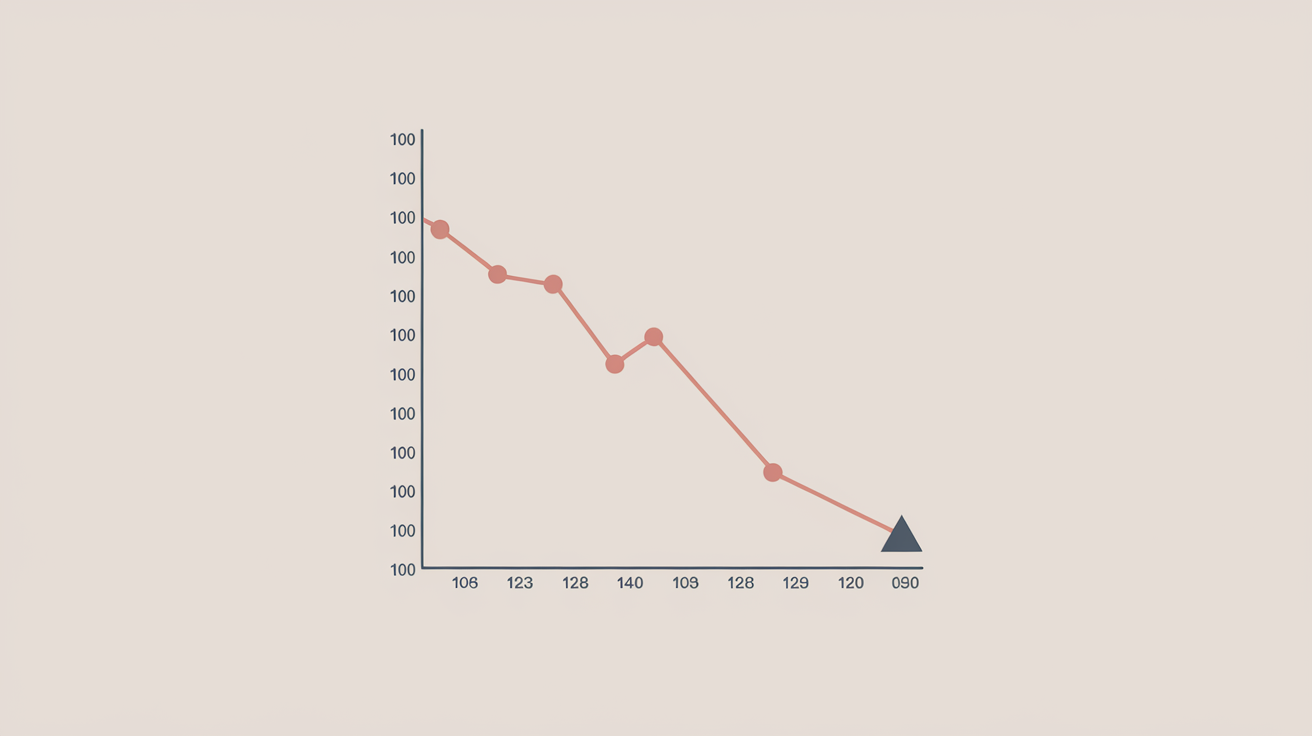
The demand schedule is the data table, while the demand curve is its graphical representation.
The demand curve plots price on the vertical axis and quantity demanded on the horizontal axis.
It typically slopes downward, showing the inverse relationship between price and demand.
The curve helps visualize trends and elasticity more easily than the table.
Both tools complement each other in economic analysis.
Factors Affecting the Demand Schedule
Several factors can shift or change the demand schedule:
- Income changes:
Higher income can increase demand at all prices.
- Consumer preferences:
Trends or tastes can raise or lower demand.
- Prices of related goods:
Substitutes and complements affect demand levels.
- Expectations:
Future price or availability expectations influence current demand.
- Population size:
More consumers generally increase demand.
These factors cause the entire demand schedule to shift left or right.
Example of a Demand Schedule
Consider a simple demand schedule for coffee cups:
Price $5 - Quantity demanded: 20 cups
Price $4 - Quantity demanded: 30 cups
Price $3 - Quantity demanded: 45 cups
Price $2 - Quantity demanded: 60 cups
Price $1 - Quantity demanded: 80 cups
This shows how demand increases as price falls, illustrating the law of demand.
Using Demand Schedule for Business Decisions
Businesses use demand schedules to:
Set prices that maximize revenue.
Plan inventory based on expected sales at different prices.
Analyze how price changes impact consumer buying behavior.
Identify price points where demand is most sensitive.
Understanding demand schedules helps companies stay competitive and profitable.
Limitations of Demand Schedule
While useful, demand schedules have limitations:
They assume all other factors remain constant, which is rarely true.
They don’t capture sudden market changes or consumer surprises.
Data accuracy depends on reliable consumer information.
They represent static snapshots, not dynamic market conditions.
Despite these limits, demand schedules remain a valuable economic tool.
Conclusion
The demand schedule is a fundamental concept in microeconomics that helps you understand how price affects consumer demand. It provides a clear, organized way to see the quantities buyers want at various prices.
By studying demand schedules, you can better grasp market behavior, make smarter business decisions, and appreciate how economic forces shape buying patterns. Whether you’re a student, investor, or entrepreneur, mastering this concept is essential for financial success.
FAQs
What does a demand schedule show?
It shows the quantity of a product consumers are willing to buy at different prices, illustrating the relationship between price and demand.
How is a demand schedule used in economics?
Economists use it to analyze consumer behavior, predict market trends, and create demand curves for better understanding of price effects.
What factors can shift a demand schedule?
Income changes, consumer preferences, prices of related goods, expectations, and population size can all shift the demand schedule.
How does a demand schedule relate to the demand curve?
The demand schedule is a table of data, while the demand curve is the graphical representation of that data showing price versus quantity demanded.
Why is the demand schedule important for businesses?
It helps businesses set prices, forecast sales, plan inventory, and understand how price changes affect consumer buying decisions.