What is Fast-Moving Consumer Goods (FMCG)?
Learn what Fast-Moving Consumer Goods (FMCG) are, their key features, examples, and how they impact daily life and the economy.

Introduction to Fast-Moving Consumer Goods (FMCG)
When you shop for everyday essentials, you are likely buying Fast-Moving Consumer Goods, or FMCG. These are products that sell quickly and at relatively low cost. Understanding FMCG helps you see how these goods shape your daily life and the economy.
In this article, we will explore what FMCG means, its main characteristics, popular examples, and why it is a vital sector for businesses and consumers alike.
What Are Fast-Moving Consumer Goods?
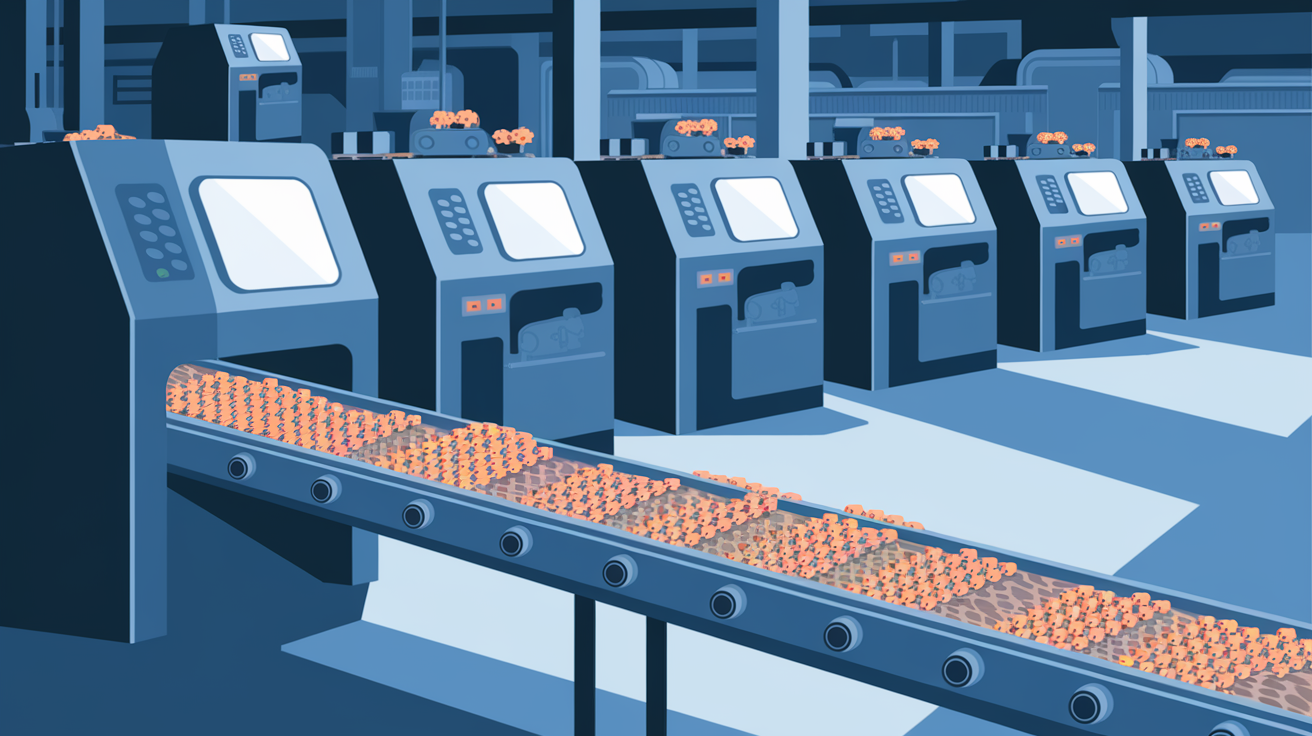
Fast-Moving Consumer Goods are products that consumers buy frequently and use up quickly. They are usually low-priced items sold in large quantities. FMCG products have a short shelf life, either because they are perishable or because people consume them fast.
These goods are essential for daily living and include a wide range of categories. The FMCG sector is one of the largest and most competitive industries worldwide.
Key Features of FMCG
- High turnover:
FMCG products sell rapidly and replenish quickly on store shelves.
- Low cost:
These items are usually affordable and bought regularly.
- Short shelf life:
Many FMCG products expire quickly or are consumed fast.
- Mass production:
They are produced in large volumes to meet constant demand.
- Wide distribution:
FMCG products are available in supermarkets, convenience stores, and online platforms.
Common Examples of FMCG Products
FMCG covers a broad range of everyday items. Here are some typical examples:
- Food and beverages:
Bread, milk, snacks, soft drinks, and packaged foods.
- Personal care:
Toothpaste, shampoo, soap, deodorants, and cosmetics.
- Household products:
Detergents, cleaning agents, paper products, and disposable items.
- Over-the-counter medicines:
Pain relievers, vitamins, and cold remedies.
These products are essential for daily routines and are purchased frequently by consumers.
Why FMCG Matters to Consumers and Businesses
FMCG products impact your life by providing convenience and meeting basic needs. Because these goods are affordable and widely available, they play a key role in consumer spending habits.
For businesses, the FMCG sector offers steady revenue due to high demand. Companies invest heavily in marketing, packaging, and distribution to stay competitive and attract customers.
Benefits for Consumers
Easy availability ensures you can find what you need quickly.
Affordable prices help manage household budgets.
Variety of brands and products to choose from.
Business Advantages
High sales volume leads to consistent cash flow.
Brand loyalty can develop through repeated purchases.
Innovation in packaging and product features attracts consumers.
Challenges in the FMCG Industry
Despite its advantages, the FMCG sector faces challenges such as intense competition and changing consumer preferences. Companies must adapt quickly to trends like health consciousness and sustainability.
Supply chain management is critical since FMCG products often have short shelf lives. Efficient logistics ensure products reach stores fresh and on time.
Key Challenges
Maintaining product quality while reducing costs.
Meeting regulatory standards for safety and labeling.
Responding to environmental concerns with eco-friendly packaging.
Adapting to digital shopping habits and e-commerce growth.
How to Identify FMCG Products When Shopping
You can spot FMCG products by their packaging and placement in stores. They are usually found in high-traffic aisles and near checkout counters. These items are packaged for quick use and convenience.
Look for products with clear expiration dates and familiar brand names. They often come in small sizes suitable for frequent purchase.
Shopping Tips
Check for promotions and discounts common in FMCG items.
Compare brands to find the best value for money.
Buy in small quantities to avoid waste due to expiry.
Conclusion
Fast-Moving Consumer Goods are the backbone of everyday shopping. They include essential products you use daily, from food to personal care. Understanding FMCG helps you make smarter choices and appreciate the market dynamics behind these goods.
For businesses, FMCG offers opportunities and challenges that require innovation and efficiency. As a consumer, knowing what FMCG means can help you shop wisely and manage your household needs effectively.
FAQs
What does FMCG stand for?
FMCG stands for Fast-Moving Consumer Goods, which are products sold quickly and at low cost, used daily by consumers.
Why are FMCG products important?
They fulfill everyday needs, are affordable, and widely available, making them essential for consumers and profitable for businesses.
Can you give examples of FMCG products?
Common examples include packaged foods, beverages, toiletries, cleaning products, and over-the-counter medicines.
How do FMCG companies compete?
They focus on marketing, product innovation, pricing strategies, and efficient distribution to attract and retain customers.
What challenges do FMCG companies face?
Challenges include intense competition, changing consumer preferences, supply chain issues, and environmental regulations.