What is Demand in Microeconomics?
Understand demand in microeconomics, its determinants, law, and impact on markets with clear examples and practical insights.

Introduction to Demand in Microeconomics
When you think about buying something, like a cup of coffee or a new phone, you are participating in the concept of demand. Demand is a fundamental idea in microeconomics that explains how consumers decide what and how much to buy.
In this article, we will explore what demand means, the factors that influence it, and why it matters for markets and businesses. By understanding demand, you can better grasp how prices and quantities are determined in the economy.
What is Demand?
Demand refers to the quantity of a good or service that consumers are willing and able to purchase at different prices over a specific period. It is not just about wanting something but also having the means to buy it.
In microeconomics, demand is usually shown as a demand curve, which slopes downward, indicating that as prices fall, consumers buy more of the product.
The Law of Demand
The law of demand states that, all else being equal, when the price of a good decreases, the quantity demanded increases, and vice versa. This inverse relationship is due to two main effects:
- Substitution effect:
When a product becomes cheaper, consumers may switch from other goods to this one.
- Income effect:
A lower price increases consumers' purchasing power, allowing them to buy more.
Determinants of Demand
Several factors influence demand beyond just price. These determinants can shift the entire demand curve either to the right (increase) or left (decrease).
- Income:
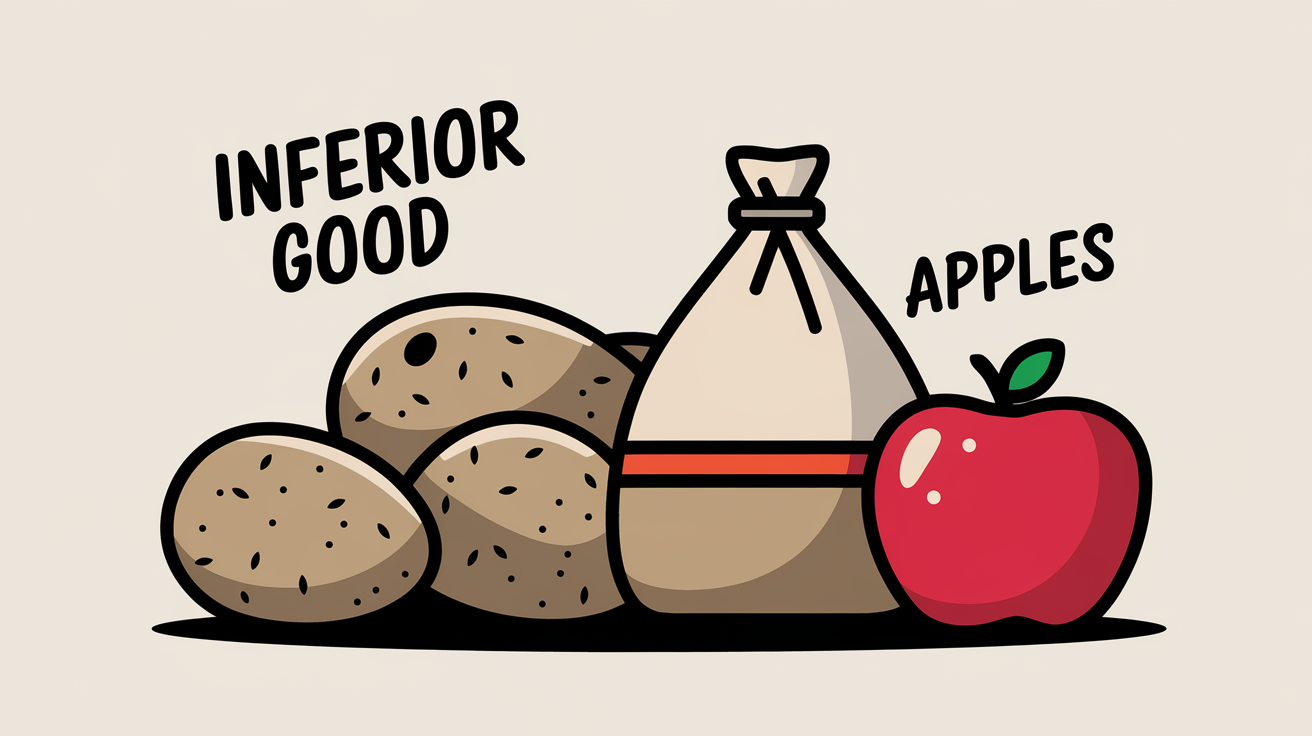
Higher income usually increases demand for normal goods but decreases demand for inferior goods.
- Prices of related goods:
Substitutes and complements affect demand. For example, if the price of tea rises, demand for coffee (a substitute) may increase.
- Tastes and preferences:
Changes in consumer preferences can boost or reduce demand.
- Expectations:
If consumers expect prices to rise, they may buy more now, increasing current demand.
- Population:
More consumers generally mean higher demand.
Demand Curve and Its Shifts
The demand curve graphically shows the relationship between price and quantity demanded. It slopes downward from left to right.
However, when factors other than price change, the demand curve shifts:
- Rightward shift:
Indicates an increase in demand at all price levels.
- Leftward shift:
Indicates a decrease in demand at all price levels.
For example, a rise in consumer income can shift the demand curve rightward for most goods.
Elasticity of Demand
Elasticity measures how sensitive the quantity demanded is to a change in price.
- Elastic demand:
Quantity demanded changes significantly with price changes (e.g., luxury goods).
- Inelastic demand:
Quantity demanded changes little with price changes (e.g., essential medicines).
Understanding elasticity helps businesses and policymakers predict how price changes affect sales and revenue.
Real-World Examples of Demand
Consider the smartphone market. When a new model is released at a high price, demand may be limited. Over time, as prices drop, more consumers buy the phone, illustrating the law of demand.
Another example is gasoline. Even if prices rise, demand remains relatively stable because many people rely on it daily, showing inelastic demand.
Why Demand Matters in Microeconomics
Demand helps explain how markets work. It interacts with supply to determine prices and quantities sold.
Businesses use demand analysis to set prices and plan production. Governments study demand to design policies, such as taxes or subsidies, that influence consumption.
Conclusion
Demand is a key concept in microeconomics that shows how consumers decide what to buy based on price and other factors. The law of demand and its determinants help explain market behavior.
By understanding demand, you can better appreciate how prices are set and how markets respond to changes. This knowledge is essential for making informed financial and business decisions.
What is the difference between demand and quantity demanded?
Demand refers to the entire relationship between price and quantity consumers want, while quantity demanded is the specific amount bought at a particular price.
How does consumer income affect demand?
Higher income usually increases demand for normal goods but decreases demand for inferior goods, shifting the demand curve accordingly.
What causes a demand curve to shift?
Changes in income, prices of related goods, tastes, expectations, or population can shift the demand curve right or left.
What is price elasticity of demand?
It measures how much quantity demanded changes in response to a price change, indicating whether demand is elastic or inelastic.
Why is demand important for businesses?
Demand helps businesses set prices, forecast sales, and make production decisions to maximize profits.