What is IMF (International Monetary Fund)?
Learn what the IMF (International Monetary Fund) is, its role in global finance, and how it supports economic stability worldwide.
Introduction to the International Monetary Fund (IMF)
The International Monetary Fund, commonly known as the IMF, plays a crucial role in the global economy. It helps countries maintain financial stability and promotes international monetary cooperation. Understanding the IMF is essential if you want to grasp how global finance works and how countries manage economic challenges.
In this article, we will explore what the IMF is, how it operates, and why it matters to the world economy. Whether you are a student, investor, or just curious, this guide will simplify the IMF’s complex functions for you.
What is the IMF?
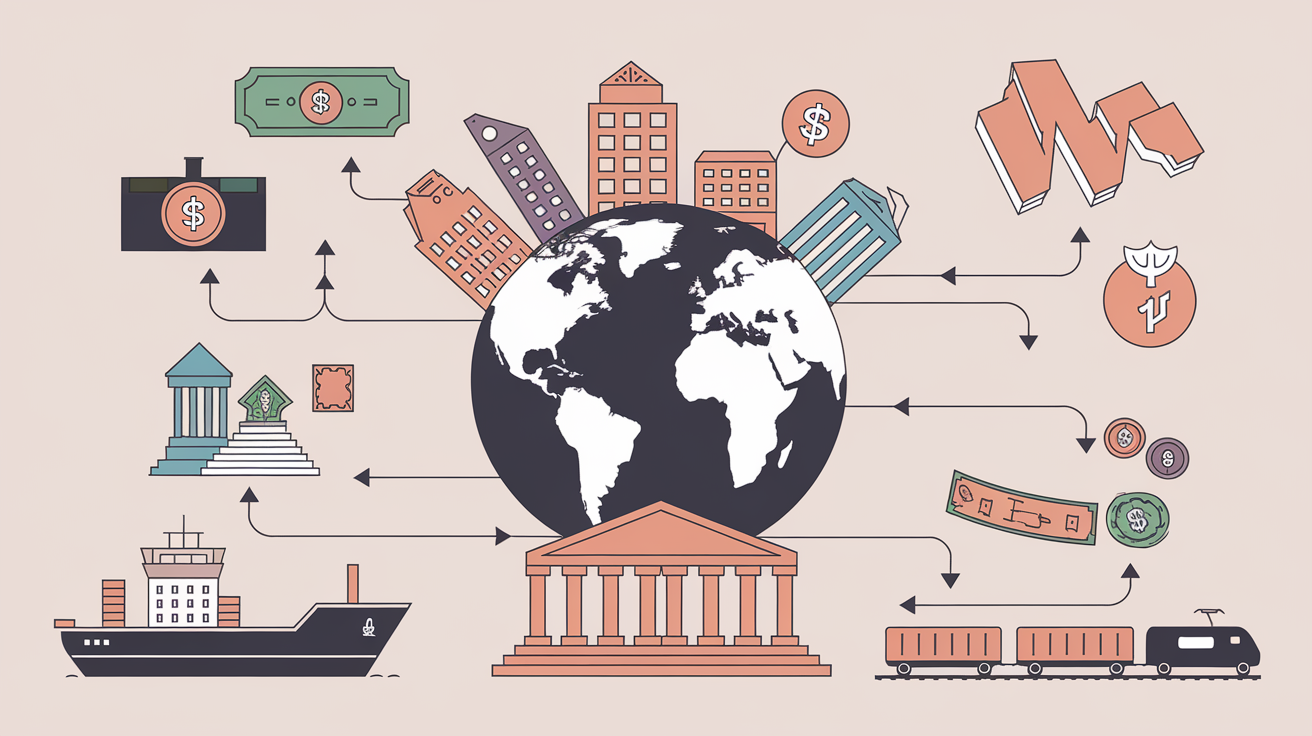
The IMF is an international organization founded in 1944 to promote global monetary cooperation. It currently has 190 member countries. The IMF’s main goal is to ensure the stability of the international monetary system—the system of exchange rates and international payments that enables countries to transact with each other.
It provides financial assistance to countries facing balance of payments problems.
It offers policy advice and technical assistance to help countries build strong economies.
The IMF monitors global economic trends to prevent crises.
How Does the IMF Work?
The IMF operates through a system of quotas, lending programs, and surveillance. Each member country contributes funds based on its economic size, which determines its voting power and access to IMF resources.
- Quotas:
These are financial commitments from each member. They influence how much a country can borrow and its voting rights.
- Lending:
The IMF provides loans to countries facing financial difficulties, usually with conditions to encourage economic reforms.
- Surveillance:
The IMF monitors economic policies of member countries to identify risks and recommend improvements.
IMF Lending Programs
The IMF offers various lending programs tailored to different economic situations. These programs help countries stabilize their economies and restore growth.
- Stand-By Arrangements (SBA):
Short-term financial support for countries facing balance of payments problems.
- Extended Fund Facility (EFF):
Longer-term assistance for countries with structural economic issues.
- Poverty Reduction and Growth Trust (PRGT):
Provides concessional loans to low-income countries.
The Role of the IMF in Global Economy
The IMF plays a vital role in maintaining economic stability worldwide. It helps prevent financial crises by providing timely support and advice. It also fosters cooperation among nations to solve global economic problems.
Supports economic growth and job creation by promoting sound policies.
Helps countries manage debt and avoid default.
Facilitates international trade by stabilizing exchange rates.
Criticism and Challenges Facing the IMF
While the IMF has many supporters, it also faces criticism. Some argue that its loan conditions can be too strict, leading to social hardships. Others say the IMF’s governance favors wealthy countries.
Loan conditions may require austerity measures that affect public services.
Voting power is weighted toward richer nations, limiting influence of poorer countries.
The IMF must adapt to new global challenges like climate change and digital currencies.
How Does the IMF Affect You?
The IMF’s work impacts global economic stability, which affects your investments, job security, and the prices you pay for goods. When countries receive IMF support, they can avoid economic collapse that might ripple through global markets.
Stable economies mean safer environments for international business and investment.
IMF policies can influence currency values and inflation worldwide.
Understanding the IMF helps you make informed decisions about global financial trends.
Conclusion
The International Monetary Fund is a cornerstone of the global financial system. It helps countries manage economic crises, promotes cooperation, and supports sustainable growth. While it faces challenges and criticism, its role in maintaining global economic stability is undeniable.
By understanding the IMF’s functions and impact, you can better appreciate how international finance works and why global economic health matters to everyone. Staying informed about the IMF helps you navigate the complex world of finance with confidence.
FAQs about the IMF
What is the main purpose of the IMF?
The IMF’s main purpose is to ensure the stability of the international monetary system by providing financial support and policy advice to member countries.
How does the IMF help countries in crisis?
The IMF provides loans and technical assistance to countries facing financial difficulties, often requiring economic reforms to restore stability.
Who governs the IMF?
The IMF is governed by its member countries, with voting power based on financial contributions called quotas.
What are IMF quotas?
Quotas are financial commitments from member countries that determine their voting power and access to IMF resources.
Why is the IMF sometimes criticized?
The IMF is criticized for imposing strict loan conditions that may cause social hardships and for giving more power to wealthy countries in decision-making.