What Is Trade Finance in Global Economics?
Explore trade finance in global economics, its key instruments, benefits, and how it supports international trade and economic growth worldwide.
Introduction to Trade Finance in Global Economics
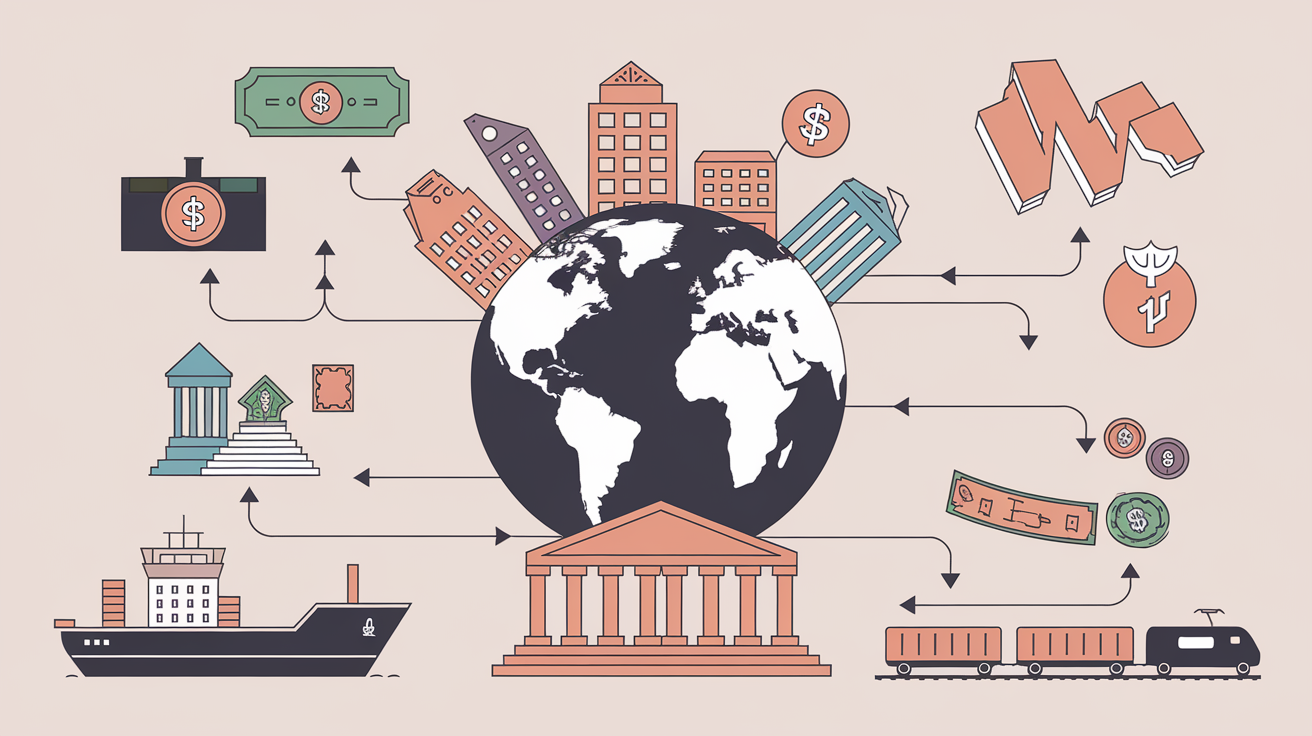
Trade finance plays a crucial role in global economics by enabling smooth international trade. It helps businesses manage risks and secure payments when trading across borders.
Understanding trade finance can empower you to navigate global markets better and leverage financial tools that support economic growth worldwide.
What Is Trade Finance?
Trade finance refers to the financing of goods or services in international trade. It covers the various financial products and instruments that facilitate trade transactions between exporters and importers.
It ensures that sellers get paid and buyers receive their goods on time, reducing risks related to payment delays, currency fluctuations, and political instability.
Key Instruments of Trade Finance
Several financial instruments are commonly used in trade finance to secure transactions and provide liquidity:
- Letters of Credit (LC):
Guarantees payment to the exporter once the terms are met.
- Trade Credit Insurance:
Protects sellers against buyer default or political risks.
- Bank Guarantees:
Assure the buyer that the seller will fulfill contractual obligations.
- Factoring and Invoice Discounting:
Allow exporters to get immediate cash by selling receivables.
- Supply Chain Finance:
Optimizes cash flow by financing payables and receivables.
How Trade Finance Supports Global Economics
Trade finance is vital for global economic development because it:
Reduces payment risks and builds trust between trading partners.
Improves cash flow and working capital for businesses.
Encourages small and medium enterprises (SMEs) to enter international markets.
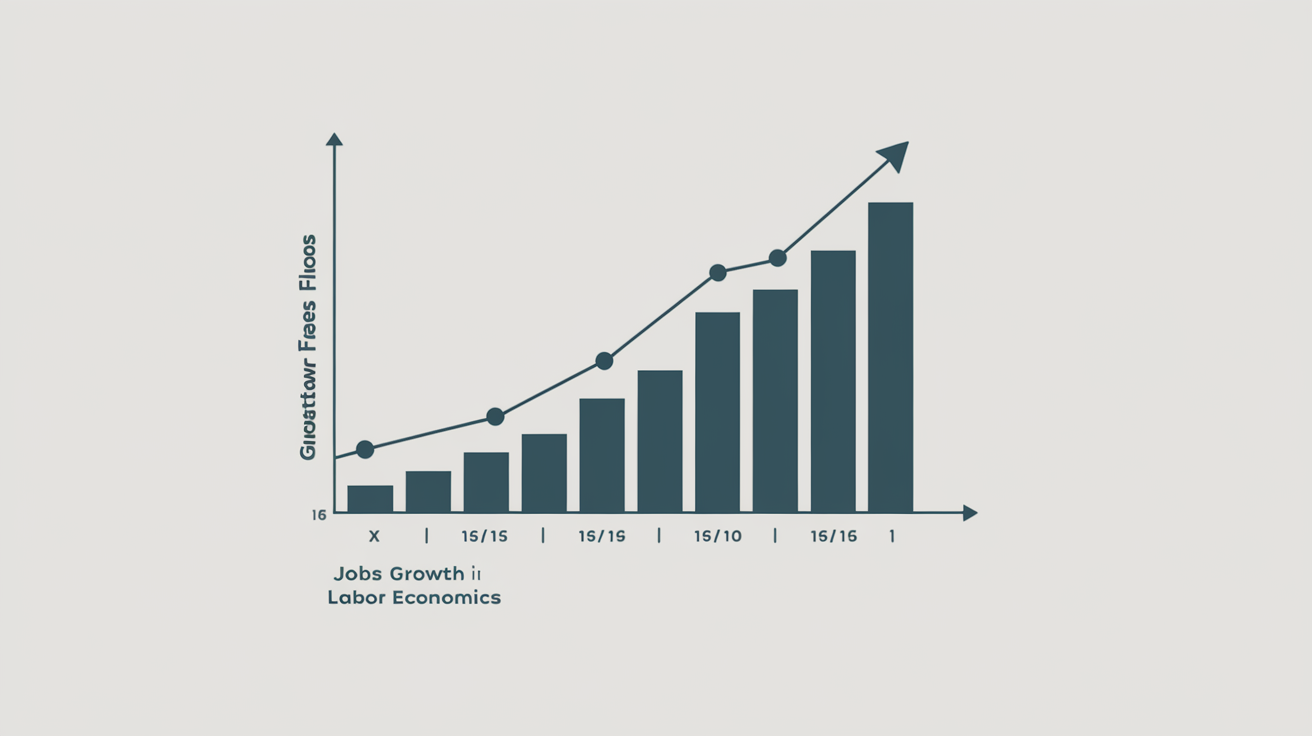
Facilitates cross-border transactions, boosting global trade volumes.
Supports economic growth by enabling access to new markets and resources.
Challenges in Trade Finance
Despite its benefits, trade finance faces some challenges that affect global economics:
- Regulatory Compliance:
Complex rules and anti-money laundering laws can slow processes.
- Access for SMEs:
Smaller businesses often struggle to obtain trade finance due to lack of collateral.
- Political and Economic Risks:
Instability in some countries can disrupt trade finance agreements.
- Technological Barriers:
Limited adoption of digital tools can reduce efficiency.
Recent Trends in Trade Finance
Trade finance is evolving with technology and market demands. Key trends include:
- Digital Trade Finance Platforms:
Blockchain and AI improve transparency and speed.
- Green Trade Finance:
Financing sustainable and environmentally friendly trade projects.
- Increased Focus on SMEs:
New products designed to support smaller exporters and importers.
- Integration with Supply Chain Management:
Enhancing visibility and reducing risks.
How to Leverage Trade Finance for Your Business
If you are involved in international trade, consider these steps to use trade finance effectively:
Understand the different trade finance instruments and choose what fits your needs.
Work with reputable banks and financial institutions experienced in global trade.
Ensure compliance with international trade regulations to avoid delays.
Explore digital trade finance solutions to streamline transactions.
Assess risks carefully and use insurance products to protect your business.
Conclusion
Trade finance is a backbone of global economics, enabling businesses to trade confidently across borders. It reduces risks, improves cash flow, and supports economic growth worldwide.
By understanding trade finance instruments and trends, you can better navigate international markets and seize growth opportunities in the global economy.
What are the main types of trade finance instruments?
The main types include letters of credit, trade credit insurance, bank guarantees, factoring, and supply chain finance. These tools secure payments and reduce risks in international trade.
How does trade finance benefit small businesses?
Trade finance provides SMEs with access to working capital, reduces payment risks, and helps them enter global markets by offering financial support and risk mitigation.
What risks does trade finance help manage?
It manages payment risks, currency fluctuations, political instability, and buyer default risks, ensuring smoother international transactions.
How is technology changing trade finance?
Digital platforms, blockchain, and AI are making trade finance faster, more transparent, and more secure, improving efficiency in global trade.
Why is trade finance important for global economic growth?
Trade finance facilitates cross-border trade, supports business cash flow, encourages market expansion, and ultimately drives economic development worldwide.