What is Multiplier Effect In Macroeconomics
Understand the multiplier effect in macroeconomics, how it amplifies economic changes, and its impact on growth and policy decisions.
Introduction to the Multiplier Effect
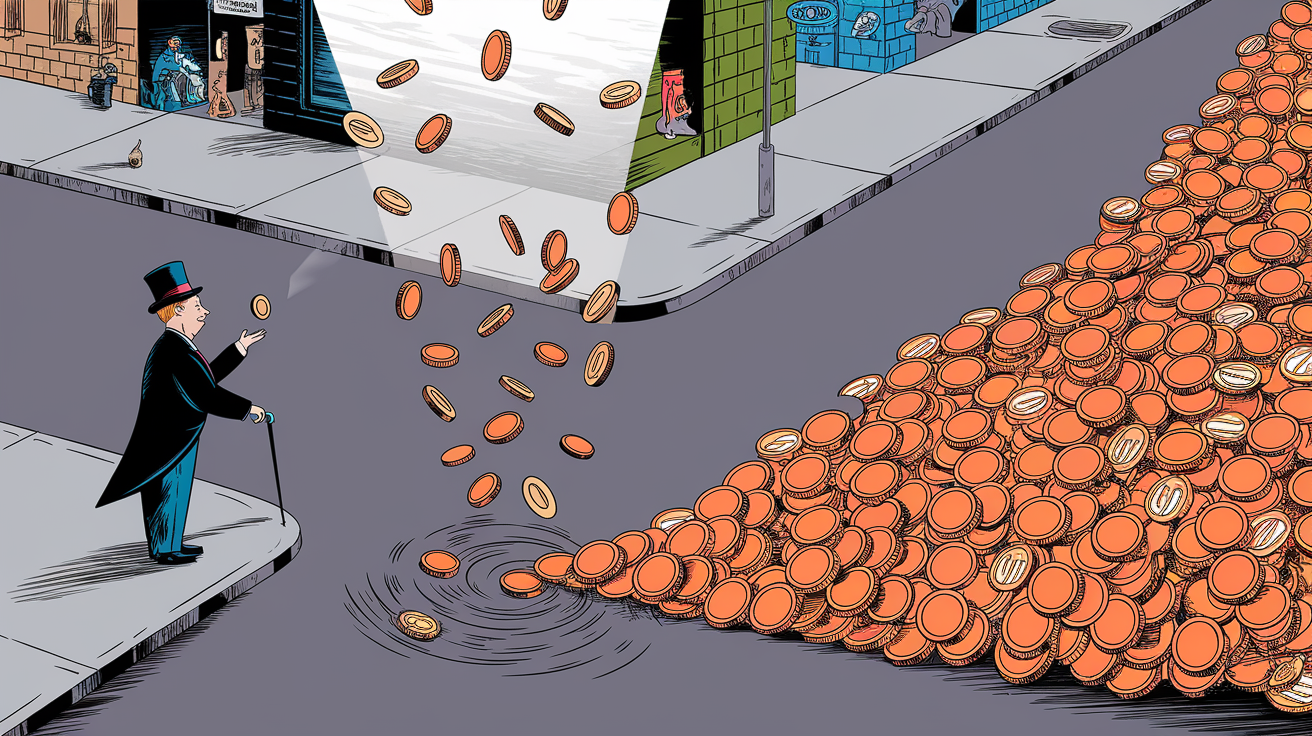
The multiplier effect is a key concept in macroeconomics that explains how an initial change in spending leads to a larger overall impact on the economy. When you or the government spend money, it doesn’t just stop there. That spending circulates, creating more income and further spending.
Understanding this effect helps you see why policies like government stimulus or investment can have a bigger influence on economic growth than the initial amount spent. Let’s explore how this works and why it matters for economic planning.
What is the Multiplier Effect?
The multiplier effect occurs when an increase in autonomous spending causes total economic output to increase by a multiple of that initial spending. Simply put, one dollar spent can generate more than one dollar in economic activity.
This happens because the recipients of the initial spending use their new income to buy goods and services, which then becomes income for others. This chain reaction continues, though it weakens over time.
Initial spending injects money into the economy.
Recipients spend a portion of that income, creating further demand.
Each round of spending is smaller but adds to total output.
How Does the Multiplier Work?
The size of the multiplier depends on the marginal propensity to consume (MPC), which is the fraction of additional income people spend rather than save. The higher the MPC, the larger the multiplier.
The formula for the simple spending multiplier is:
- Multiplier = 1 / (1 - MPC)
For example, if the MPC is 0.8, the multiplier is 5. This means every $1 of new spending can generate $5 in total economic output.
Factors Affecting the Multiplier
- Marginal Propensity to Consume:
Higher MPC means more spending and a bigger multiplier.
- Taxation:
Higher taxes reduce disposable income, lowering the multiplier.
- Imports:
Spending on imports leaks out of the domestic economy, reducing the multiplier effect.
- Interest Rates:
Higher rates can discourage borrowing and spending, shrinking the multiplier.
Examples of the Multiplier Effect
Imagine the government builds a new highway and spends $1 billion. Construction workers get paid and spend their income on goods and services. Local businesses see more customers and hire more staff, who also spend their earnings.
This spending cycle continues, increasing total economic output beyond the initial $1 billion.
Businesses may invest more due to higher demand, further boosting growth.
Similarly, a tax cut increases households’ disposable income, encouraging more consumption and triggering the multiplier effect.
Why is the Multiplier Effect Important?
The multiplier effect helps explain why fiscal policy can be powerful. Governments use it to estimate how much economic growth will result from spending programs or tax changes.
It guides decisions on stimulus measures during recessions.
Helps predict the impact of infrastructure projects.
Assists in understanding how consumer confidence influences the economy.
Limitations of the Multiplier Effect
While the multiplier is a useful tool, it has limits. Real-world factors can reduce its size or effectiveness.
- Leakages:
Savings, taxes, and imports reduce the money circulating domestically.
- Time Lags:
The effect takes time to materialize, which can delay policy impact.
- Capacity Constraints:
If the economy is near full capacity, extra spending may lead to inflation rather than output growth.
- Behavioral Responses:
People might save unexpected income instead of spending it.
Conclusion
The multiplier effect is a cornerstone of macroeconomic theory that shows how initial spending can lead to a larger total increase in economic activity. By understanding it, you can better appreciate how government policies and consumer behavior influence growth.
While powerful, the multiplier depends on factors like consumption habits, taxes, and imports. Recognizing its limits helps you see why economic outcomes can vary and why careful policy design is essential for maximizing benefits.
FAQs
What is the marginal propensity to consume (MPC)?
MPC is the portion of additional income that people spend rather than save. It determines how much new spending will circulate in the economy.
How does taxation affect the multiplier effect?
Higher taxes reduce disposable income, leading to less consumer spending and a smaller multiplier effect.
Can the multiplier effect cause inflation?
Yes, if the economy is near full capacity, increased spending may raise prices instead of output, causing inflation.
Why do imports reduce the multiplier?
Money spent on imports leaves the domestic economy, so it doesn’t contribute to further domestic income or spending.
Is the multiplier effect the same in all countries?
No, it varies based on factors like consumption patterns, tax rates, and openness to trade, which differ across countries.