What is Most Favored Nation in Trade Economics?
Explore the concept of Most Favored Nation in trade economics, its impact on global trade, and how it shapes international agreements.
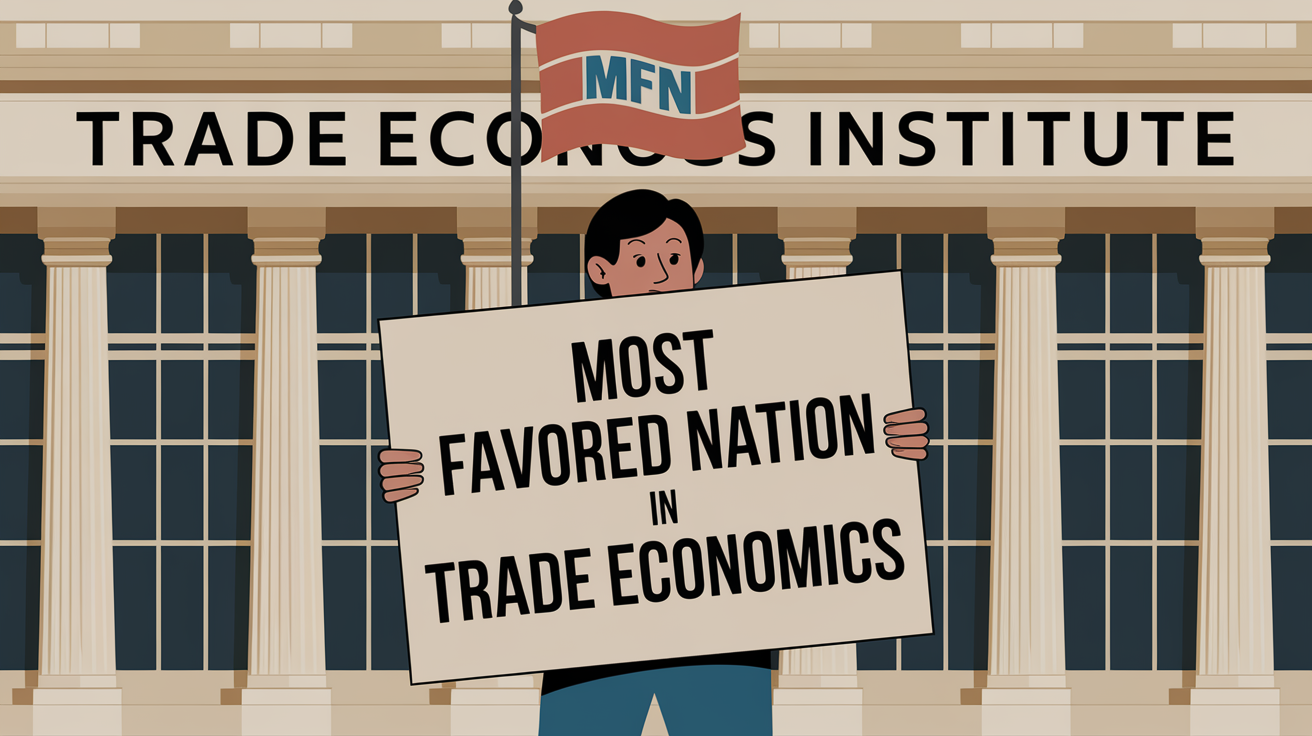
Introduction to Most Favored Nation in Trade Economics
Understanding trade terms is key to navigating the global economy. One important concept is the Most Favored Nation (MFN) status, which affects how countries trade with each other.
We’ll explore what MFN means, why it matters, and how it influences trade agreements worldwide. This knowledge helps you grasp how nations maintain fairness and balance in international trade.
What Does Most Favored Nation Mean?
Most Favored Nation is a principle in international trade where a country promises to give another country the best trade terms it offers to any other nation.
In practice, this means if a country lowers tariffs or removes trade barriers for one nation, it must do the same for all countries with MFN status.
Ensures non-discrimination among trading partners.
Promotes equal treatment in tariffs and trade policies.
Prevents countries from favoring one trading partner over others unfairly.
How MFN Works in Trade Agreements
MFN clauses are common in World Trade Organization (WTO) agreements and bilateral trade deals. They help create a level playing field for all members.
For example, if Country A reduces import duties for Country B, it must extend the same reduction to all countries with MFN status.
Encourages transparency in trade policies.
Reduces the risk of trade discrimination.
Supports stable and predictable trading environments.
Benefits of Most Favored Nation Status
MFN status offers several advantages for countries involved in international trade.
- Fair Competition:
Countries compete on equal terms without hidden advantages.
- Trade Expansion:
Lower tariffs encourage more imports and exports.
- Economic Growth:
Open markets can boost industries and create jobs.
- Dispute Reduction:
Clear rules reduce trade conflicts between nations.
Limitations and Exceptions to MFN
While MFN promotes fairness, there are exceptions and challenges.
- Free Trade Agreements (FTAs):
Countries can offer better terms to partners in FTAs without extending them to others.
- Developing Countries:
Special provisions allow preferential treatment to support economic growth.
- National Security:
Some trade restrictions can be justified for security reasons.
These exceptions mean MFN is not absolute but balanced with practical considerations.
Examples of MFN in Action
MFN plays a role in many global trade relationships.
The WTO enforces MFN among its members to ensure fair trade.
The United States grants MFN status to many countries, affecting tariffs on goods like steel and agriculture.
China’s accession to the WTO included MFN commitments to open its markets.
How MFN Affects Businesses and Consumers
MFN status impacts prices, availability, and competition in markets.
Businesses benefit from predictable tariffs and access to multiple markets.
Consumers may enjoy lower prices due to reduced trade barriers.
Companies can plan supply chains with more certainty about costs.
Conclusion
Most Favored Nation status is a cornerstone of modern trade economics. It helps maintain fairness and openness in global markets by ensuring countries treat each other equally in trade matters.
While there are exceptions, MFN fosters trust and cooperation among nations. Understanding MFN helps you see how international trade rules shape the economy and affect everyday products and services.
FAQs
What is the main purpose of Most Favored Nation status?
Its main purpose is to ensure non-discriminatory trade by requiring countries to offer the best trade terms to all MFN partners equally.
Does MFN mean countries cannot have free trade agreements?
No, countries can have FTAs that offer better terms to specific partners without extending those terms to all MFN members.
How does MFN benefit consumers?
MFN can lower tariffs and trade barriers, leading to more competition and often lower prices for consumers.
Are there exceptions to MFN rules?
Yes, exceptions include FTAs, special treatment for developing countries, and national security considerations.
Is MFN status permanent once granted?
MFN status can be changed or revoked, but usually, it is maintained to preserve stable trade relations.