What is Bell Curve in Economics?
Discover what the bell curve means in economics, its role in income distribution, market analysis, and how it shapes economic understanding.

Introduction to the Bell Curve in Economics
When you hear about the bell curve, you might think of statistics or grades. But in economics, the bell curve plays a crucial role in understanding how wealth, income, and resources are distributed across a population. It helps us visualize patterns and make sense of complex economic data.
In this article, we’ll explore what the bell curve means in economics, why it matters, and how it influences economic theories and policies. You’ll learn to recognize its shape and implications in real-world economic scenarios.
What is the Bell Curve?
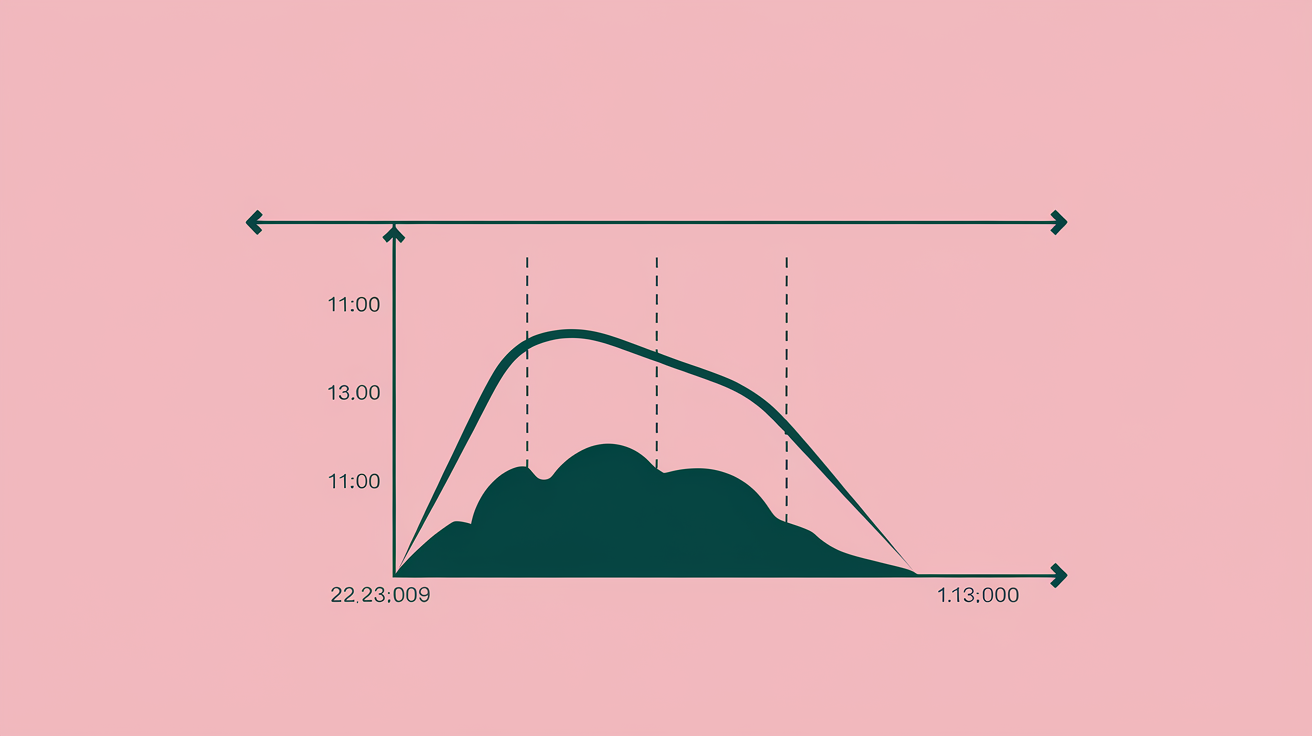
The bell curve, also called the normal distribution, is a graph that shows how data points are spread out. It’s shaped like a bell, with most values clustering around the average and fewer values appearing as you move away from the center.
The highest point represents the mean, median, and mode, which are all equal in a perfect bell curve.
The curve is symmetric, meaning the left and right sides mirror each other.
It shows how common or rare certain outcomes are within a dataset.
In economics, this helps us understand how things like income or productivity are distributed among people or firms.
Bell Curve and Income Distribution
One of the most common uses of the bell curve in economics is to analyze income distribution. Economists study how income is spread across a population to identify inequality or economic health.
In an idealized bell curve income distribution, most people earn around the average income.
Few people earn very low or very high incomes, shown by the tails of the curve.
Real-world income distributions often deviate from a perfect bell curve, showing skewness due to inequality.
Understanding this helps policymakers design tax systems and social programs that aim to reduce income gaps.
Applications of the Bell Curve in Economic Analysis
The bell curve is more than just income distribution; it’s a tool used in various economic analyses.
- Market Research:
Companies analyze customer behavior or product demand, assuming normal distribution to predict trends.
- Risk Assessment:
Investors use the bell curve to estimate the probability of returns and losses in financial markets.
- Labor Economics:
Wage distributions and productivity levels often follow a bell curve pattern, helping employers set fair wages.
These applications make the bell curve a versatile tool in economics.
Limitations of the Bell Curve in Economics
While the bell curve is useful, it has limitations when applied to economics.
Many economic variables, like wealth, are not normally distributed but skewed, with a long tail of very wealthy individuals.
Assuming a bell curve can oversimplify complex economic realities and hide important inequalities.
Extreme events, like financial crises, don’t fit well into the bell curve model because they are rare but impactful.
Economists often use other models alongside the bell curve to capture these nuances.
How to Interpret the Bell Curve in Economic Data
When you see a bell curve in economic reports, here’s how to read it:
- Center:
The peak shows the most common value, like average income or productivity.
- Spread:
The width indicates variability—wider curves mean more diversity in data.
- Tails:
The ends show rare cases, such as extremely high or low incomes.
Recognizing these parts helps you understand economic trends and disparities better.
Examples of Bell Curve in Economics
Here are some real-world examples where the bell curve helps explain economic phenomena:
- Income Levels:
Most workers earn near the median wage, with fewer earning very high or very low salaries.
- Consumer Spending:
Spending habits often cluster around an average, with some outliers who spend much more or less.
- Stock Market Returns:
Daily returns on stocks tend to follow a bell curve, with most days showing average returns and few extreme gains or losses.
Conclusion
The bell curve is a fundamental concept in economics that helps us understand how data like income, productivity, and market returns are distributed. It provides a clear visual of the average and the range of outcomes in economic activities.
While it has its limits, especially with skewed data or rare events, the bell curve remains a valuable tool for economists, investors, and policymakers. Knowing how to interpret it empowers you to make smarter financial and economic decisions.
What does the bell curve represent in economics?
The bell curve represents the normal distribution of economic data, showing how values like income or productivity cluster around an average with fewer extreme cases.
Why is the bell curve important for income distribution?
It helps visualize how income is spread across a population, highlighting average earnings and the extent of inequality through the curve’s shape.
Can all economic data be modeled by a bell curve?
No, many economic variables are skewed or have outliers, so the bell curve is a useful but sometimes imperfect model.
How do economists use the bell curve in market analysis?
They use it to predict customer behavior, assess risks, and understand wage or productivity distributions within markets.
What are the limitations of the bell curve in economics?
The bell curve may oversimplify data, miss extreme events, and fail to capture skewed distributions common in wealth and income.