What is Change In Supply in Microeconomics?
Understand the concept of change in supply in microeconomics, its causes, effects, and how it impacts market equilibrium.

Introduction
When you study microeconomics, understanding supply is key to grasping how markets work. Change in supply is a fundamental concept that shows how the quantity of goods producers are willing to sell shifts due to various factors.
In this article, we’ll explore what change in supply means, what causes it, and how it affects prices and market balance. This knowledge helps you see the bigger picture of economic decisions.
What is Change in Supply?
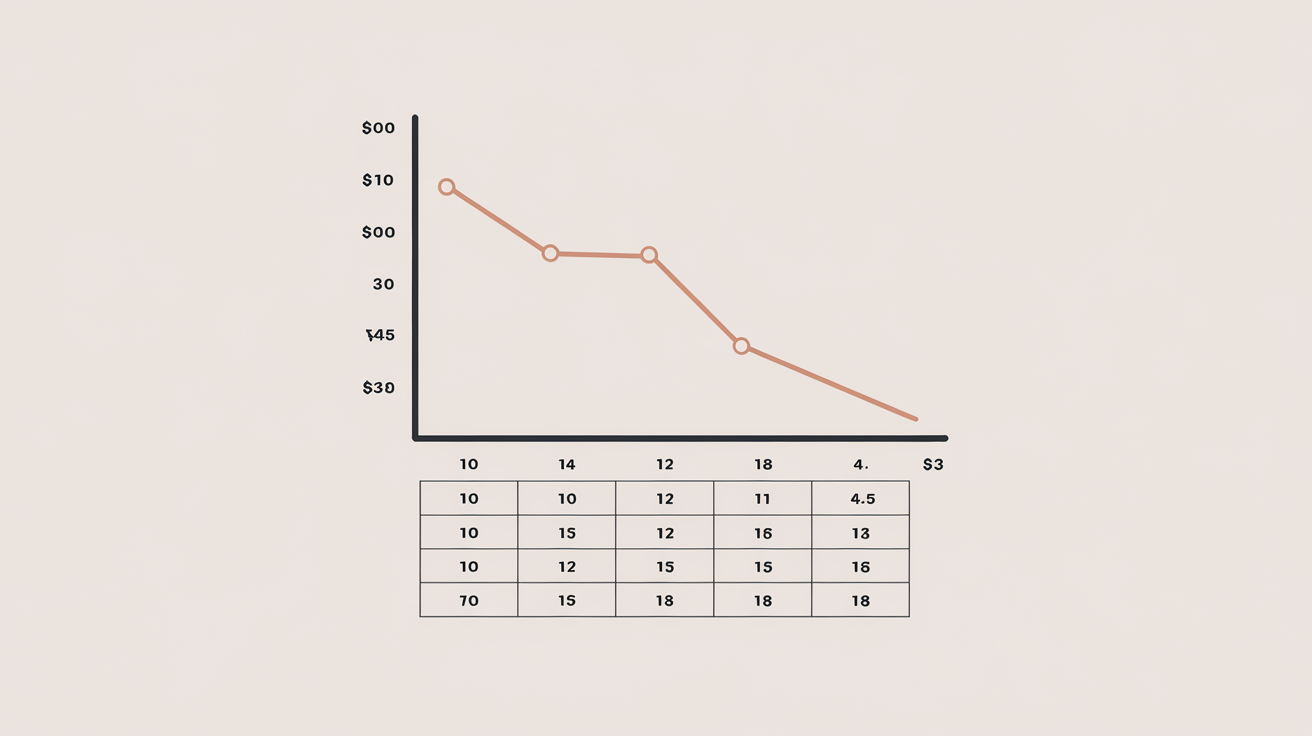
Change in supply refers to a shift in the supply curve, meaning producers offer different quantities of a good at every price level. This is different from a change in quantity supplied, which is movement along the same supply curve caused by price changes.
When supply changes, the entire supply curve moves either to the right (increase) or left (decrease). This indicates producers are willing to supply more or less of a product at all prices.
Causes of Change in Supply
Several factors can cause supply to change. These are non-price determinants that affect production decisions beyond just the product’s price.
- Input Prices:
If the cost of raw materials or labor rises, producing goods becomes more expensive, reducing supply.
- Technology:
Advances in technology can make production more efficient, increasing supply.
- Government Policies:
Taxes, subsidies, or regulations can increase or decrease supply.
- Number of Sellers:
More sellers in the market generally increase supply.
- Expectations:
If producers expect higher future prices, they might reduce current supply to sell later at better rates.
- Natural Conditions:
Weather or disasters can impact supply, especially in agriculture.
Difference Between Change in Supply and Change in Quantity Supplied
It's important to distinguish these two terms:
- Change in Quantity Supplied:
Movement along the supply curve due to price change.
- Change in Supply:
Shift of the entire supply curve caused by non-price factors.
For example, if the price of a product rises, producers supply more, moving along the curve. But if a new technology reduces production costs, supply increases, shifting the curve right.
How Change in Supply Affects Market Equilibrium
Market equilibrium is where supply equals demand. When supply changes, it disrupts this balance and affects prices and quantities sold.
- Increase in Supply:
The supply curve shifts right, leading to lower prices and higher quantity sold, assuming demand stays constant.
- Decrease in Supply:
The supply curve shifts left, causing higher prices and lower quantity sold.
These shifts influence consumer behavior and producer profits, impacting the overall economy.
Real-World Examples of Change in Supply
Understanding change in supply becomes clearer with examples:
- Technology in Smartphone Production:
New manufacturing techniques reduce costs, increasing supply and lowering prices.
- Agricultural Supply and Weather:
A drought reduces crop yields, decreasing supply and raising food prices.
- Government Subsidies:
Subsidies for electric vehicles increase supply by lowering production costs.
Conclusion
Change in supply is a vital concept in microeconomics that explains how various factors beyond price influence producers' willingness to sell goods. Recognizing these shifts helps you understand market dynamics better.
By knowing what causes supply to change and how it affects prices and quantities, you can make smarter decisions as a consumer, investor, or business owner. This insight is essential for navigating economic environments effectively.
What causes a change in supply?
Changes in input prices, technology, government policies, number of sellers, expectations, and natural conditions can all cause supply to change.
How does change in supply differ from change in quantity supplied?
Change in supply shifts the entire supply curve due to non-price factors, while change in quantity supplied is movement along the curve caused by price changes.
What happens to prices when supply increases?
When supply increases, prices generally fall because more goods are available, assuming demand remains constant.
Can government policies affect supply?
Yes, taxes, subsidies, and regulations can increase or decrease supply by affecting production costs or incentives.
Why is understanding change in supply important?
It helps you predict market trends, make informed financial decisions, and understand how external factors impact product availability and pricing.