What is Consumer Sentiment in Economics?
Understand consumer sentiment in economics, its impact on markets, and how it guides financial decisions and economic forecasting.

Introduction
Consumer sentiment plays a crucial role in economics and financial markets. It reflects how optimistic or pessimistic consumers feel about the economy and their personal financial situation.
Understanding consumer sentiment helps you anticipate spending patterns, market trends, and economic growth. In this article, we’ll explore what consumer sentiment means, how it’s measured, and why it matters to you as an investor or consumer.
What is Consumer Sentiment?
Consumer sentiment is a measure of how confident people feel about the economy’s current state and its future. It gauges their willingness to spend money, save, or invest.
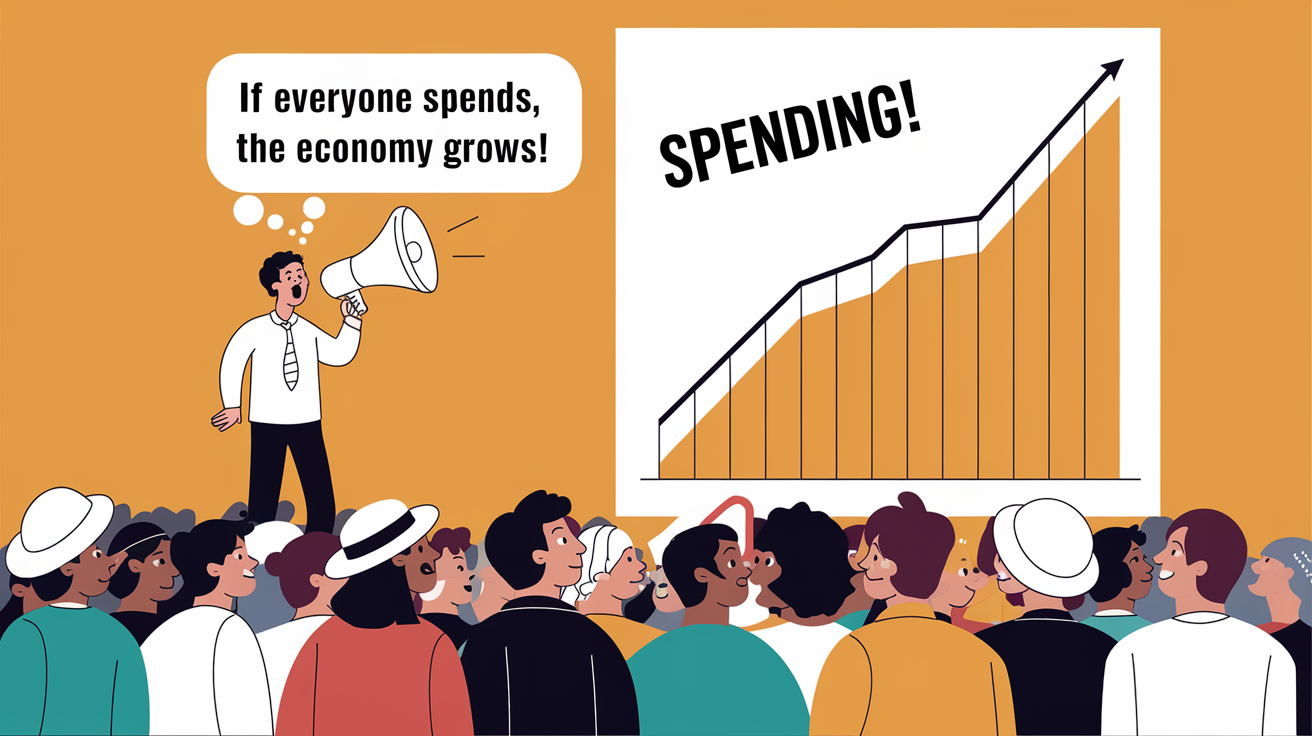
When consumers are optimistic, they tend to spend more, boosting economic growth. Conversely, pessimism often leads to reduced spending and slower growth.
It reflects personal financial outlook and expectations for the economy.
It influences demand for goods and services.
It impacts business profits and stock market performance.
How is Consumer Sentiment Measured?
Consumer sentiment is typically measured through surveys that ask people about their views on the economy, job prospects, and personal finances.
Two of the most widely followed indexes are:
- University of Michigan Consumer Sentiment Index:
Based on monthly surveys of about 500 households, it tracks changes in consumer attitudes.
- Conference Board Consumer Confidence Index:
Measures consumer confidence through questions on business conditions and employment expectations.
These surveys provide numerical scores that indicate overall optimism or pessimism.
Why Does Consumer Sentiment Matter?
Consumer sentiment is a leading indicator of economic activity. It helps predict consumer spending, which accounts for a large part of GDP.
- For businesses:
Helps forecast sales and adjust inventory.
- For investors:
Signals potential market trends and risks.
- For policymakers:
Guides decisions on interest rates and fiscal policies.
Changes in sentiment can precede shifts in the economy, making it a valuable tool for planning.
Factors Influencing Consumer Sentiment
Several factors shape how consumers feel about the economy:
- Employment:
Job security and wage growth boost confidence.
- Inflation:
Rising prices can reduce purchasing power and optimism.
- Interest rates:
Higher rates may discourage borrowing and spending.
- Political stability:
Uncertainty can dampen sentiment.
- Global events:
Crises or booms abroad affect local confidence.
How Consumer Sentiment Affects Financial Markets
Financial markets react strongly to shifts in consumer sentiment because it signals future economic performance.
Positive sentiment often leads to higher stock prices as investors anticipate growth.
Negative sentiment can trigger market sell-offs due to fears of recession.
Bond markets may respond with changes in yields reflecting economic outlook.
Understanding sentiment trends can help you make smarter investment decisions.
Using Consumer Sentiment in Your Financial Planning
You can use consumer sentiment data to time purchases, investments, and savings strategies.
When sentiment is high, consider investing in growth stocks or expanding spending cautiously.
During low sentiment periods, focus on defensive investments and boosting savings.
Monitor sentiment reports regularly to stay ahead of economic shifts.
Limitations of Consumer Sentiment
While useful, consumer sentiment is not perfect. It can be influenced by short-term events or media coverage, which may not reflect long-term economic fundamentals.
Also, sentiment surveys rely on subjective opinions, which can vary widely among different groups.
Therefore, it’s best to use consumer sentiment alongside other economic indicators for a balanced view.
Conclusion
Consumer sentiment is a vital economic indicator that reveals how people feel about the economy and their finances. It influences spending, investment, and market trends.
By understanding and tracking consumer sentiment, you can better anticipate economic changes and make informed financial decisions. Remember to combine it with other data for a complete picture of the economic landscape.
What is the difference between consumer sentiment and consumer confidence?
Consumer sentiment measures overall feelings about the economy, while consumer confidence focuses more on personal financial situations and short-term outlooks.
How often is consumer sentiment data released?
Major consumer sentiment indexes are typically released monthly, providing timely insights into economic trends.
Can consumer sentiment predict recessions?
Declining consumer sentiment often precedes recessions, making it a useful early warning indicator, though not a guarantee.
How does inflation impact consumer sentiment?
Rising inflation usually lowers consumer sentiment by reducing purchasing power and increasing uncertainty.
Should I rely solely on consumer sentiment for investment decisions?
No, consumer sentiment should be one of several indicators you consider to make well-rounded investment choices.