What is Scarcity Principle In Economics
Understand the Scarcity Principle in economics, its impact on resource allocation, decision-making, and how it shapes markets and personal choices.
Introduction to the Scarcity Principle
Have you ever wondered why resources like time, money, and goods seem limited? The scarcity principle in economics explains this simple but powerful idea. It tells us that resources are finite, while our wants and needs are endless.
Understanding scarcity helps you see why choices matter. Whether you’re managing a budget or running a business, scarcity influences every decision. Let’s explore how this principle shapes economics and everyday life.
What is the Scarcity Principle?
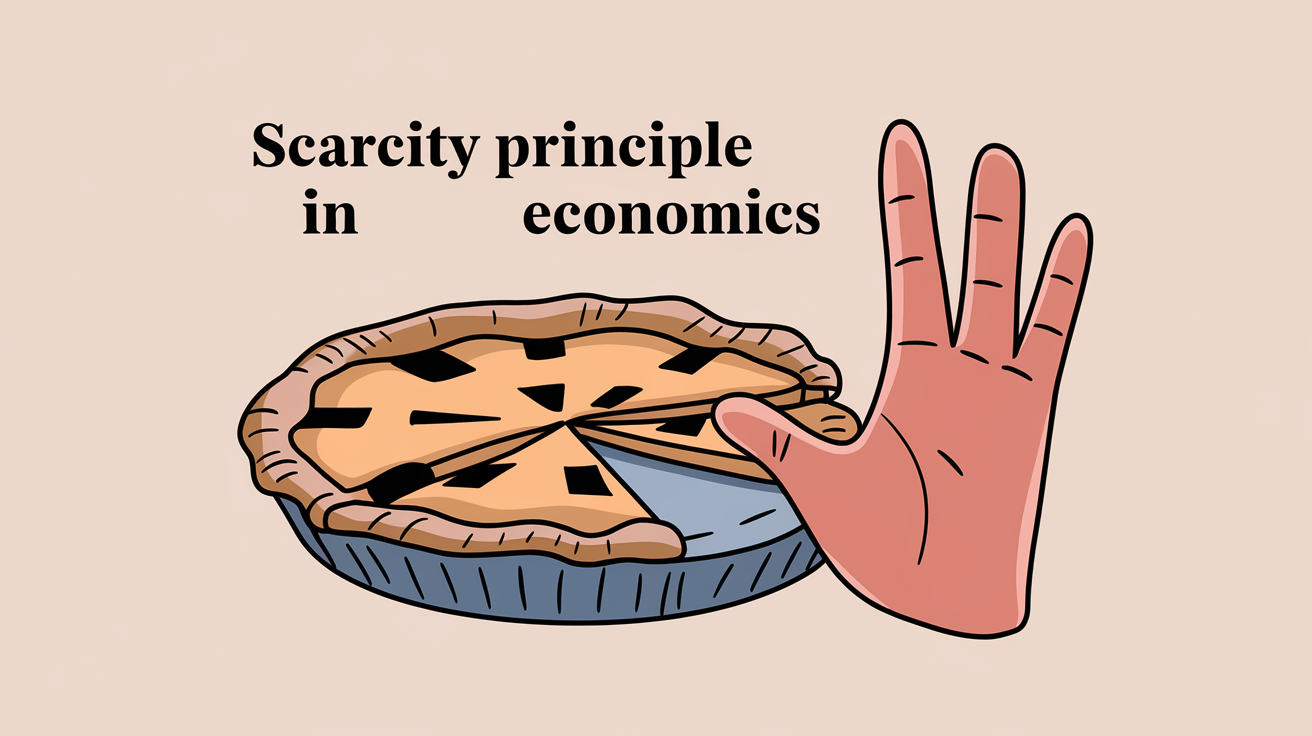
The scarcity principle states that limited resources force individuals and societies to make choices. Because we cannot have everything we want, we must prioritize what to use or produce.
Resources include natural materials, labor, money, and time.
Scarcity is not just about physical shortage but also about limited availability relative to demand.
It drives the need for trade-offs and opportunity costs in decision-making.
How Scarcity Affects Economic Decisions
Scarcity forces people to evaluate how to best use their limited resources. This leads to important economic concepts like opportunity cost — the value of the next best alternative you give up.
Consumers decide what to buy based on budget limits.
Businesses allocate resources to produce goods with the highest demand.
Governments prioritize spending on public services versus other needs.
Scarcity and Market Prices
Scarcity influences prices in markets. When a resource is scarce but highly desired, its price tends to rise. This price signal helps balance supply and demand.
High prices encourage producers to supply more.
Consumers may reduce demand or seek alternatives.
Prices reflect the relative scarcity and value of goods.
Examples of Scarcity in Real Life
Scarcity is everywhere, affecting daily choices and global issues.
Water shortages in drought-prone areas limit usage and increase costs.
Limited time means you must choose between work, family, and leisure.
Budget constraints force you to prioritize spending on essentials over luxuries.
Why Understanding Scarcity Matters
Knowing about scarcity helps you make smarter financial and life decisions. It encourages planning and prioritizing what matters most.
Helps you budget effectively by recognizing limits.
Improves investment choices by weighing opportunity costs.
Informs policy debates on resource management and sustainability.
Conclusion
The scarcity principle is a cornerstone of economics. It explains why resources are limited and why choices are necessary. By understanding scarcity, you can better navigate financial decisions and appreciate the value of resources.
Every day, scarcity shapes markets, personal budgets, and government policies. Embracing this concept empowers you to make thoughtful, informed decisions that align with your goals and values.
What is the main idea behind the scarcity principle?
The scarcity principle means resources are limited, so people must make choices about how to use them wisely.
How does scarcity influence prices?
Scarcity causes prices to rise when demand exceeds supply, signaling producers and consumers to adjust their behavior.
What is opportunity cost in relation to scarcity?
Opportunity cost is the value of the next best option you give up when making a choice due to limited resources.
Can scarcity apply to time as well as money?
Yes, time is a scarce resource, and managing it requires prioritizing tasks and activities effectively.
Why is scarcity important for governments?
Governments face scarcity in budgets and resources, so they must prioritize spending to meet public needs efficiently.