What is Regional Comprehensive Economic Partnership (RCEP)?
Learn what the Regional Comprehensive Economic Partnership (RCEP) is, its benefits, member countries, and impact on global trade and investment.
Introduction to Regional Comprehensive Economic Partnership (RCEP)
The Regional Comprehensive Economic Partnership, or RCEP, is a major trade agreement that brings together countries across the Asia-Pacific region. It aims to simplify trade rules, reduce tariffs, and boost economic cooperation among its members. Understanding RCEP helps you see how global trade is evolving and what opportunities it creates.
In this article, we’ll explore what RCEP is, which countries are involved, its key features, and how it impacts businesses and economies worldwide. Whether you’re an investor, business owner, or just curious about international trade, this guide will clarify RCEP’s role in shaping the future of commerce.
What is RCEP?
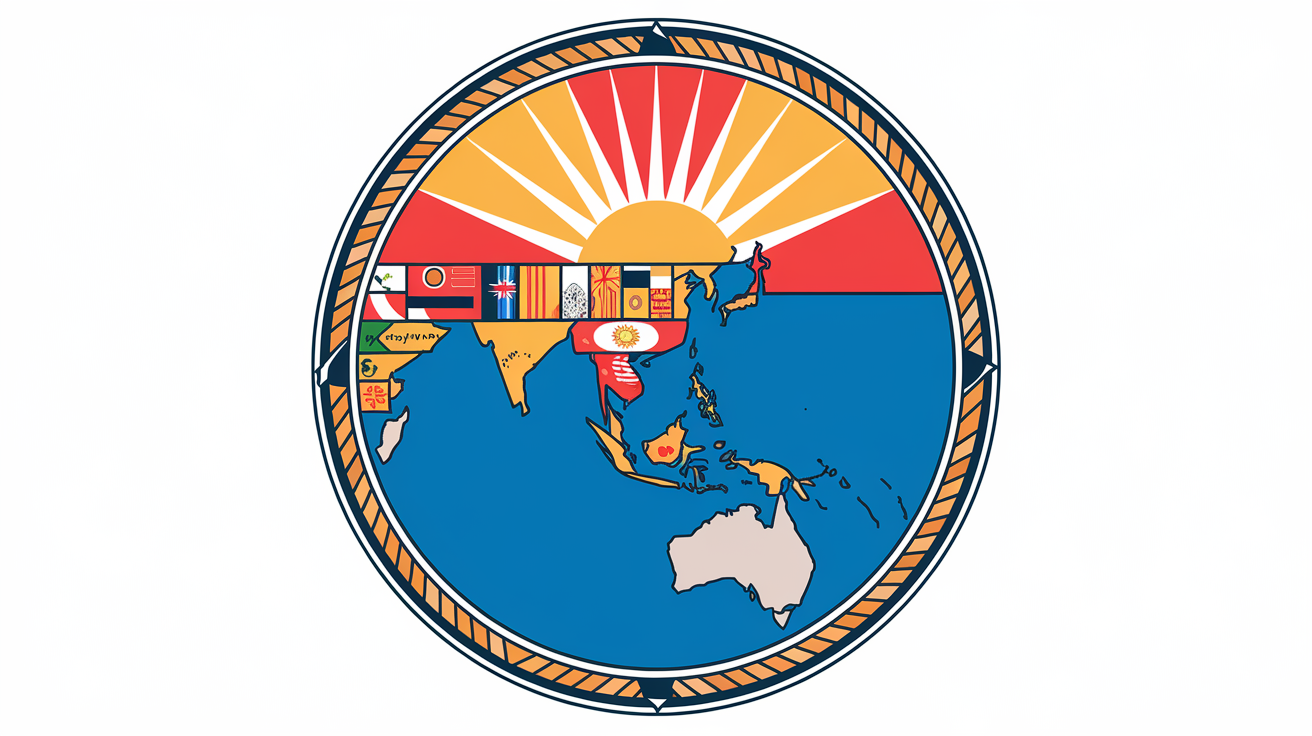
RCEP is a free trade agreement signed by 15 countries in the Asia-Pacific region. It is the world’s largest trade pact by population and GDP, covering nearly a third of the global economy. The agreement aims to create a more integrated and efficient market by lowering trade barriers and harmonizing rules.
RCEP focuses on goods, services, investment, intellectual property, and dispute resolution. It builds on existing bilateral and regional agreements to streamline trade and investment flows among member nations.
Member Countries of RCEP
The 15 member countries of RCEP include:
10 ASEAN countries: Brunei, Cambodia, Indonesia, Laos, Malaysia, Myanmar, Philippines, Singapore, Thailand, and Vietnam
5 Asia-Pacific partners: China, Japan, South Korea, Australia, and New Zealand
These countries represent diverse economies, from manufacturing powerhouses to resource-rich nations. Together, they form a vast market with over 2.2 billion people and a combined GDP exceeding $26 trillion.
Key Features of RCEP
RCEP offers several important benefits and features that make it unique:
- Tariff Reduction:
Gradual elimination of tariffs on thousands of products to encourage trade.
- Trade Facilitation:
Simplified customs procedures and improved transparency to speed up cross-border trade.
- Rules of Origin:
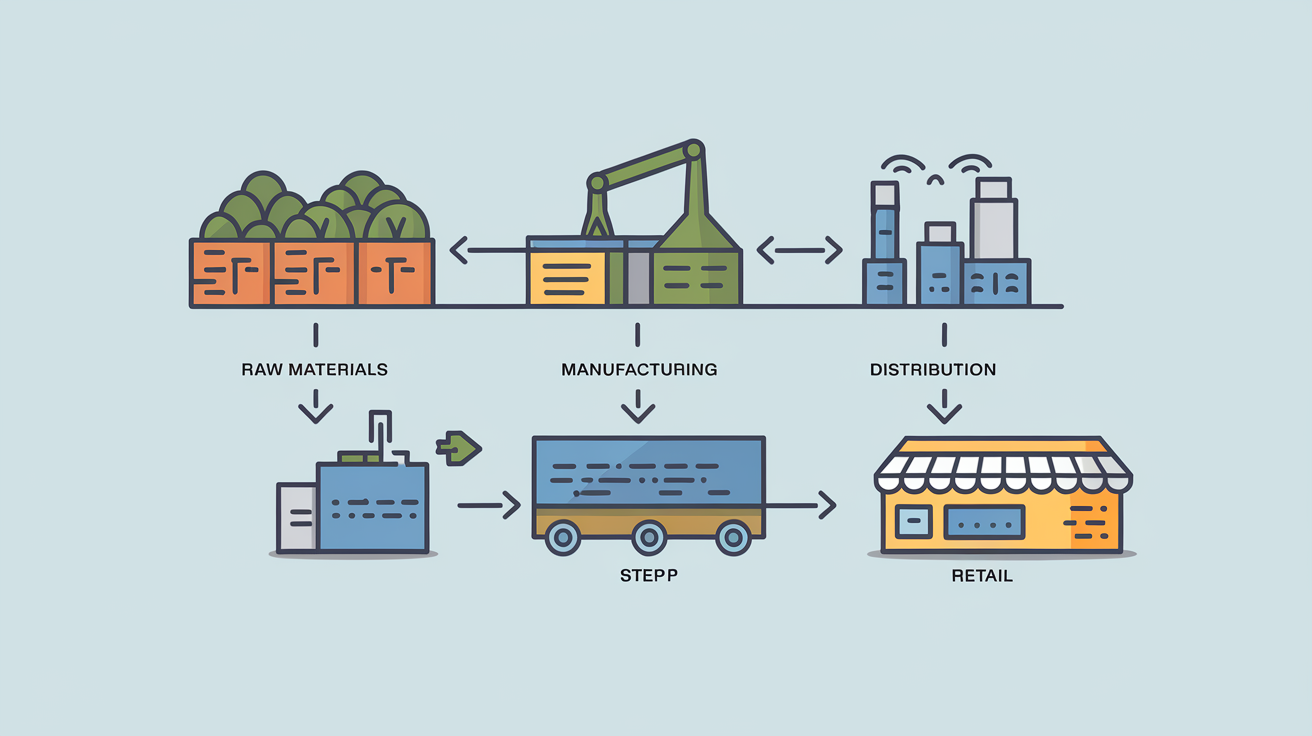
Clear guidelines to determine product eligibility for tariff benefits, making supply chains more efficient.
- Services and Investment:
Greater market access for services and protections for investors.
- Intellectual Property:
Strengthened protections to encourage innovation and creativity.
- Dispute Resolution:
Mechanisms to resolve trade conflicts fairly and quickly.
How RCEP Impacts Global Trade and Investment
RCEP is expected to reshape trade patterns by creating a more connected Asia-Pacific market. Here’s how it affects businesses and economies:
- Boosts Regional Supply Chains:
Easier movement of goods and materials supports manufacturing and exports.
- Encourages Foreign Investment:
Clearer rules and protections attract investors seeking stable markets.
- Supports Small and Medium Enterprises (SMEs):
Simplified trade rules help SMEs access new markets and grow.
- Strengthens Economic Integration:
Deeper cooperation among member countries promotes economic growth and stability.
- Challenges for Non-Members:
Countries outside RCEP may face competitive disadvantages in the Asia-Pacific region.
Challenges and Criticisms of RCEP
While RCEP offers many benefits, it also faces some challenges and criticism:
- Limited Ambition on Labor and Environment:
The agreement has been criticized for weaker standards compared to other trade deals.
- Uneven Benefits:
Larger economies may gain more, while smaller members might struggle to compete.
- Geopolitical Concerns:
Some view RCEP as increasing China’s influence in the region.
- Implementation Complexity:
Harmonizing rules across diverse economies requires ongoing cooperation.
Conclusion
The Regional Comprehensive Economic Partnership is a landmark trade agreement that connects a vast and diverse group of Asia-Pacific countries. By lowering trade barriers and harmonizing rules, RCEP aims to boost economic growth, investment, and cooperation across the region.
Understanding RCEP helps you grasp the changing landscape of global trade and the opportunities it creates for businesses and investors. While it faces challenges, RCEP’s impact on regional integration and market access is significant and will continue to shape international commerce in the years ahead.
FAQs about Regional Comprehensive Economic Partnership (RCEP)
What is the main goal of RCEP?
The main goal of RCEP is to create a unified trade framework among Asia-Pacific countries by reducing tariffs and simplifying trade rules to boost economic cooperation.
Which countries are members of RCEP?
RCEP includes 10 ASEAN countries plus China, Japan, South Korea, Australia, and New Zealand, totaling 15 member nations.
How does RCEP benefit small businesses?
RCEP simplifies trade procedures and reduces tariffs, helping small businesses access new markets and expand their exports more easily.
Does RCEP address environmental or labor standards?
RCEP has limited provisions on labor and environmental standards, which has drawn criticism compared to other trade agreements.
How does RCEP affect countries outside the agreement?
Non-member countries may face competitive challenges as RCEP members benefit from easier trade and stronger economic ties within the region.