What is Trade Deficit In Macroeconomics
Understand what a trade deficit is in macroeconomics, its causes, impacts, and how it affects a country's economy and global trade balance.
Introduction
When you hear about a country's trade deficit, it might sound complicated, but it’s a simple concept in macroeconomics. A trade deficit happens when a country imports more goods and services than it exports. This imbalance can influence the economy in many ways.
In this article, we will explore what a trade deficit means, why it happens, and how it affects the economy. Understanding this can help you grasp global trade dynamics and economic health better.
What is a Trade Deficit?
A trade deficit occurs when a country's total imports exceed its total exports over a specific period. This means the country buys more from other countries than it sells to them.
- Exports:
Goods and services sold to other countries.
- Imports:
Goods and services bought from other countries.
The difference between imports and exports is called the trade balance. A negative trade balance is a trade deficit, while a positive one is a trade surplus.
Causes of Trade Deficit
Several factors can lead to a trade deficit. Understanding these helps explain why some countries consistently import more than they export.
- Strong Domestic Currency:
When a country's currency is strong, imports become cheaper, encouraging more buying from abroad.
- High Consumer Demand:
If people want more foreign products, imports rise.
- Low Domestic Production:
Limited local manufacturing can increase reliance on imports.
- Trade Policies:
Tariffs, quotas, and trade agreements influence import-export levels.
- Economic Growth:
Rapid growth can increase demand for foreign goods and capital.
Impacts of a Trade Deficit
Trade deficits can have both positive and negative effects on an economy. It’s important to look at the bigger picture.
- Economic Growth:
Imports can provide consumers and businesses with goods not produced locally, supporting growth.
- Debt and Borrowing:
Persistent deficits may lead to borrowing from other countries, increasing national debt.
- Currency Value:
Large deficits might weaken the domestic currency over time.
- Employment:
Some industries may lose jobs due to competition from imports.
- Investment Flows:
Deficits can attract foreign investment, balancing capital accounts.
Trade Deficit vs. Trade Surplus
It helps to compare trade deficit with trade surplus to understand economic balance.
- Trade Deficit:
Imports > Exports; may indicate strong consumer demand or weak production.
- Trade Surplus:
Exports > Imports; often shows strong manufacturing and export sectors.
Neither is inherently good or bad; context matters. For example, a developing country might run a deficit to import capital goods for growth.
How is Trade Deficit Measured?
Trade deficit is measured using the trade balance formula:
Trade Balance = Total Exports - Total Imports
If the result is negative, it’s a trade deficit. Governments and economists track this data monthly or quarterly to analyze economic trends.
Examples of Trade Deficits
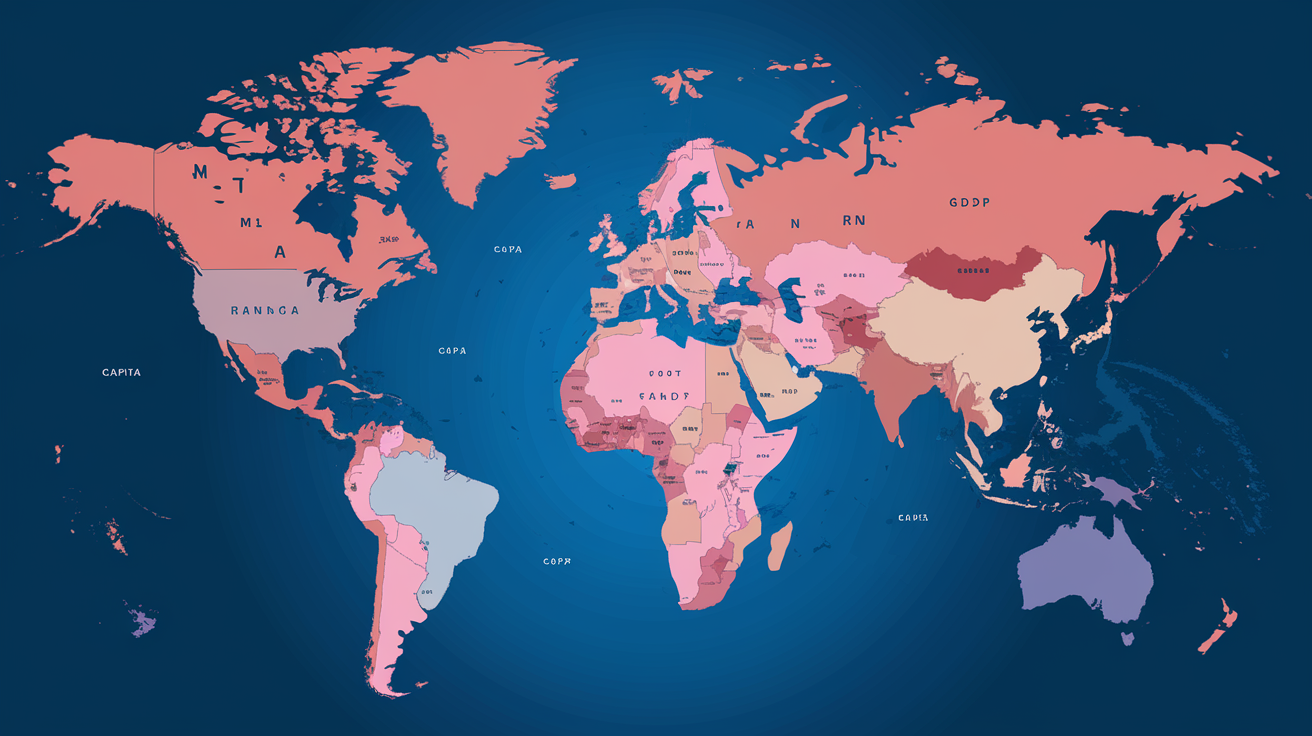
Many large economies run trade deficits at times. For instance:
- United States:
Often has a significant trade deficit due to high consumer demand and strong dollar.
- India:
Runs deficits mainly because of oil imports and growing consumer needs.
- Brazil:
Experiences deficits linked to industrial imports and economic cycles.
How Can Countries Manage Trade Deficits?
Countries use several strategies to manage or reduce trade deficits:
- Promoting Exports:
Supporting industries to sell more abroad.
- Import Substitution:
Encouraging local production to replace imports.
- Currency Adjustments:
Allowing currency to weaken to make exports cheaper.
- Trade Agreements:
Negotiating deals to open new markets.
- Fiscal Policies:
Adjusting taxes and spending to influence trade.
Conclusion
Understanding trade deficits is key to grasping how countries interact economically. A trade deficit means a country imports more than it exports, influenced by currency strength, consumer demand, and production capacity.
While trade deficits can signal economic challenges, they also reflect complex factors like investment flows and growth strategies. Knowing this helps you see the bigger picture of global trade and economic health.
What is a trade deficit in simple terms?
A trade deficit happens when a country buys more goods and services from other countries than it sells to them.
Does a trade deficit always harm the economy?
Not always. It can support growth by providing needed goods, but long-term deficits may increase debt or weaken currency.
How is trade deficit different from trade surplus?
A trade deficit means imports exceed exports; a trade surplus means exports exceed imports.
Can a country have a trade deficit and still grow economically?
Yes, if it uses imports to build infrastructure or invest in growth, a trade deficit can coexist with economic expansion.
What role does currency play in trade deficits?
A strong currency makes imports cheaper and exports more expensive, often increasing trade deficits.