What is Supply Chain Finance?
Discover what supply chain finance is, how it benefits businesses, and key strategies to optimize cash flow and supplier relationships effectively.
Introduction to Supply Chain Finance
Understanding supply chain finance can transform how your business manages cash flow and supplier payments. It’s a financial solution designed to optimize working capital and improve relationships between buyers and suppliers.
In this article, we’ll explore what supply chain finance is, how it works, and why it’s becoming essential for businesses aiming to strengthen their supply chains and financial health.
What is Supply Chain Finance?
Supply chain finance (SCF) is a set of technology-based business and financing processes. It helps optimize cash flow by allowing businesses to extend payment terms to suppliers while enabling suppliers to get paid earlier.
Essentially, SCF creates a win-win situation. Buyers improve their working capital, and suppliers receive faster access to cash, reducing their financial stress.
Key Components of Supply Chain Finance
- Buyers:
Large companies that purchase goods or services and want to extend payment terms.
- Suppliers:
Vendors who want quicker payment to maintain liquidity.
- Financial Institutions:
Banks or fintech firms that provide the financing to suppliers based on buyer creditworthiness.
- Technology Platforms:
Software that facilitates invoice approval, payment scheduling, and financing.
How Does Supply Chain Finance Work?
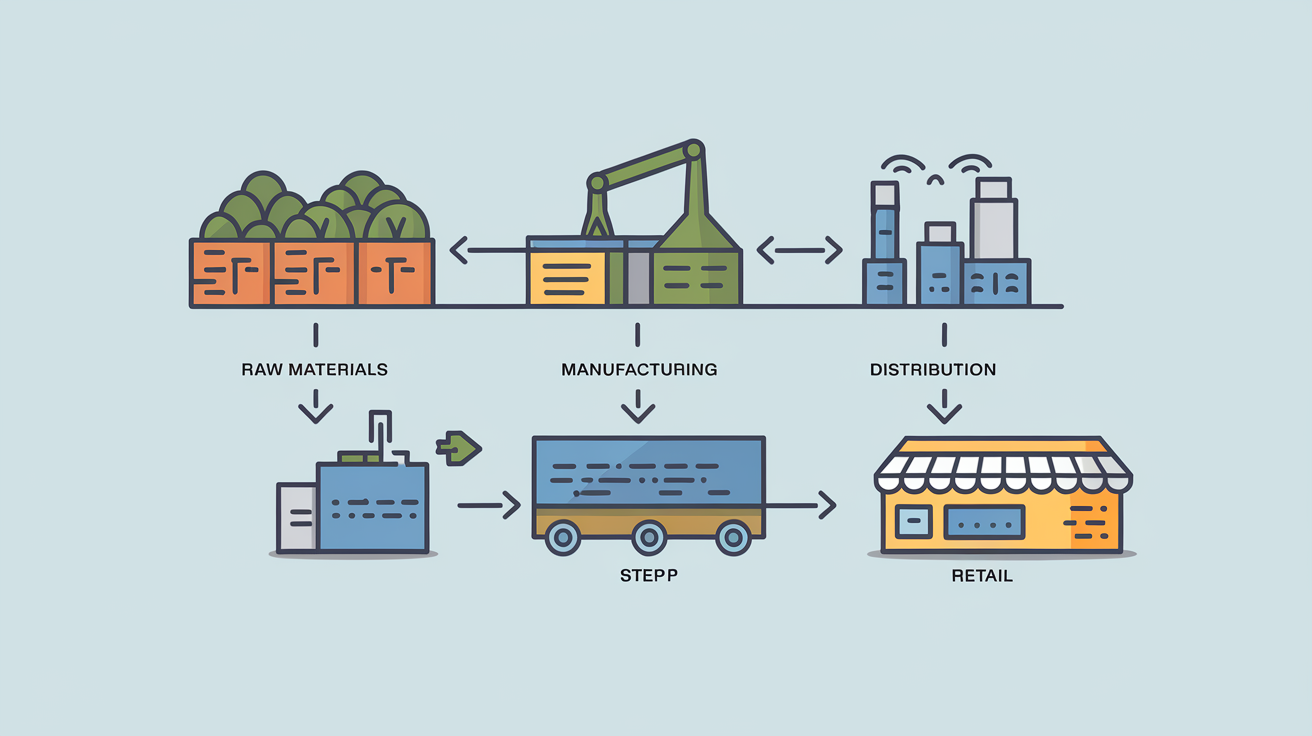
The process starts when a buyer approves an invoice from a supplier. Instead of paying immediately, the buyer agrees to pay on a later date. The supplier can then choose to get paid earlier by selling the invoice to a financial institution at a small discount.
This way, suppliers get cash faster, and buyers can manage their cash flow better by delaying payments without harming supplier relationships.
Steps in Supply Chain Finance
Supplier delivers goods or services and submits an invoice.
Buyer approves the invoice through the SCF platform.
Supplier opts to receive early payment from a financial institution.
Financial institution pays the supplier minus a fee.
Buyer pays the financial institution on the agreed due date.
Benefits of Supply Chain Finance
Supply chain finance offers multiple advantages for both buyers and suppliers, improving overall supply chain efficiency.
- Improved Cash Flow:
Buyers can extend payment terms, and suppliers get paid faster.
- Stronger Supplier Relationships:
Suppliers appreciate quicker payments, leading to better collaboration.
- Reduced Financing Costs:
Suppliers often get better rates than traditional loans, thanks to buyer creditworthiness.
- Risk Mitigation:
Financial institutions assess buyer risk, reducing supplier exposure.
- Operational Efficiency:
Automated platforms streamline invoice processing and payments.
Common Supply Chain Finance Solutions
There are several SCF models businesses use depending on their needs and supply chain complexity.
- Reverse Factoring:
The most common form where the buyer initiates financing for suppliers.
- Dynamic Discounting:
Buyers offer early payment to suppliers in exchange for discounts.
- Inventory Finance:
Financing based on inventory held by suppliers or buyers.
- Payables Finance:
Financing focused on extending payment terms for buyers.
Who Should Use Supply Chain Finance?
Supply chain finance is ideal for companies with large supplier networks and significant working capital tied up in payables and receivables.
It benefits:
Large corporations seeking to optimize cash flow.
Suppliers needing faster access to cash.
Businesses aiming to strengthen supplier loyalty.
Companies looking to reduce financing costs.
Challenges and Considerations
While SCF offers many benefits, it also comes with challenges.
- Implementation Complexity:
Integrating SCF platforms with existing systems can be difficult.
- Supplier Adoption:
Not all suppliers may be willing or able to participate.
- Cost Structure:
Fees and discounts can affect supplier margins.
- Credit Risk:
Buyers must maintain strong credit ratings for favorable terms.
Conclusion
Supply chain finance is a powerful tool that helps businesses improve cash flow and strengthen supplier relationships. By enabling early payments to suppliers while extending buyer payment terms, SCF creates financial flexibility for both parties.
If you want to optimize your working capital and build a resilient supply chain, understanding and implementing supply chain finance solutions can be a game-changer for your business.
FAQs
What is the main goal of supply chain finance?
The main goal is to optimize cash flow by allowing buyers to extend payment terms while suppliers get paid earlier through financing.
How does supply chain finance benefit suppliers?
Suppliers receive early payments, improving their liquidity and reducing the need for expensive loans.
Who provides the financing in supply chain finance?
Financial institutions or fintech companies provide the financing based on the buyer’s creditworthiness.
Is supply chain finance suitable for small businesses?
It’s more common for large companies, but small businesses can benefit if they have strong buyer relationships and access to SCF platforms.
What technology supports supply chain finance?
SCF relies on digital platforms that automate invoice approval, payment scheduling, and financing processes.