What is Economic Equilibrium?
Understand economic equilibrium, how supply and demand balance markets, and why it matters for stable economies and smart financial decisions.

Introduction
Economic equilibrium is a key concept that helps you understand how markets work. It happens when the quantity of goods buyers want equals the quantity sellers offer. This balance keeps prices stable and markets efficient.
In this article, we’ll explore what economic equilibrium means, how it forms, and why it’s important for you as a consumer or investor. Understanding this can help you make smarter financial choices.
What is Economic Equilibrium?
Economic equilibrium occurs when supply matches demand in a market. At this point, the price of a product settles where the amount consumers want to buy equals the amount producers want to sell.
This balance means there’s no pressure for prices to rise or fall. It’s a natural state where the market clears, and resources are allocated efficiently.
Key Features of Economic Equilibrium
- Price Stability:
Prices remain steady because supply and demand are balanced.
- Market Clearing:
No surplus or shortage exists; all goods produced are sold.
- Efficient Allocation:
Resources are used where they are most valued.
How Does Economic Equilibrium Form?
Markets reach equilibrium through the interaction of buyers and sellers. Here’s how it works:
- Price Signals:
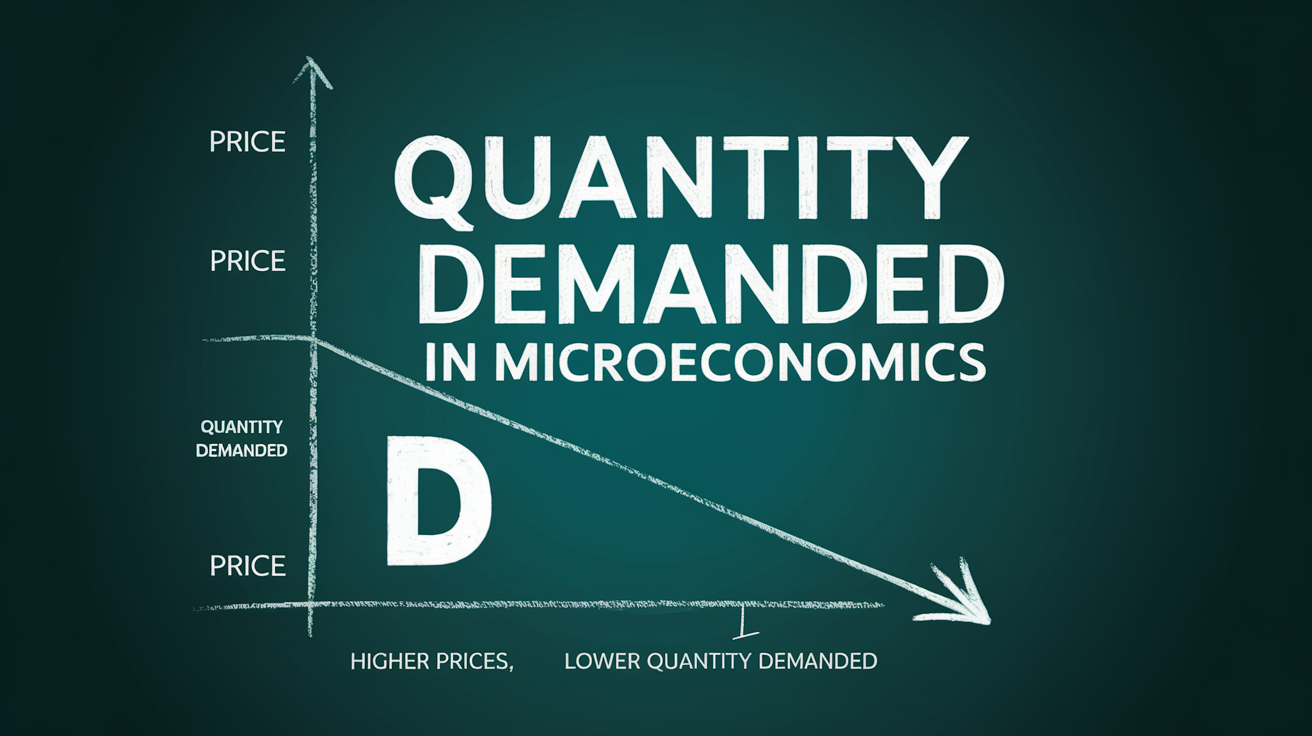
If demand exceeds supply, prices rise, encouraging producers to make more.
- Adjustment:
Higher prices reduce demand and increase supply until balance is restored.
- Feedback Loop:
This process continues until the market reaches equilibrium price and quantity.
For example, if a new gadget is popular, demand spikes. Sellers raise prices, which slows demand and attracts more production. Eventually, supply meets demand at a new equilibrium.
Types of Economic Equilibrium
There are several forms of equilibrium in economics, each important in different contexts.
1. Partial Equilibrium
This looks at equilibrium in a single market, ignoring effects on others. It helps analyze specific goods or services.
2. General Equilibrium
This considers all markets simultaneously, showing how they interact and balance together in the whole economy.
3. Dynamic Equilibrium
Markets can also reach equilibrium over time, adjusting to changes in technology, preferences, or policies.
Why is Economic Equilibrium Important?
Understanding equilibrium helps you grasp how prices form and why markets behave the way they do.
- Predicts Price Movements:
Knowing equilibrium helps anticipate how prices adjust to changes in supply or demand.
- Informs Policy:
Governments use equilibrium concepts to design taxes, subsidies, and regulations.
- Supports Investment Decisions:
Investors analyze market balance to spot opportunities or risks.
Factors That Disrupt Economic Equilibrium
Markets don’t always stay in equilibrium. Various factors can disturb the balance:
- Supply Shocks:
Natural disasters or production issues can reduce supply suddenly.
- Demand Changes:
Consumer preferences or income shifts affect how much people want to buy.
- Government Intervention:
Taxes, price controls, or subsidies can alter market outcomes.
- External Events:
Global crises or trade policies impact supply and demand.
How to Apply Economic Equilibrium in Real Life
You can use the concept of economic equilibrium to make better financial choices.
- Smart Shopping:
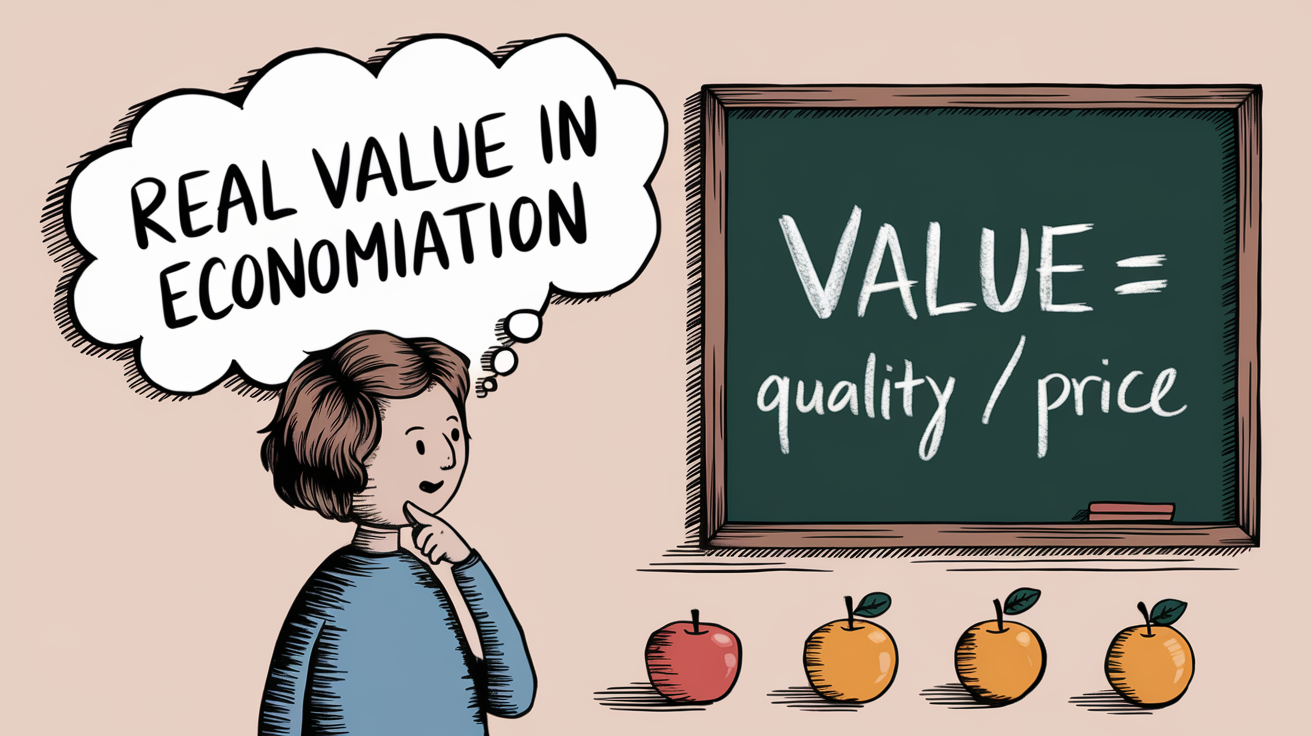
Recognize when prices reflect true market value, avoiding overpaying.
- Investment Timing:
Understand market cycles and price adjustments to buy or sell assets wisely.
- Business Planning:
Entrepreneurs can forecast demand and set prices to maximize profits.
Conclusion
Economic equilibrium is a foundational idea that explains how markets find balance. When supply meets demand, prices stabilize, helping economies run smoothly.
By understanding this concept, you gain insight into price changes, market behavior, and economic policies. This knowledge empowers you to make informed financial decisions, whether shopping, investing, or running a business.
FAQs
What happens if supply exceeds demand?
If supply is greater than demand, a surplus occurs. Prices tend to fall as sellers compete to attract buyers, pushing the market back toward equilibrium.
Can economic equilibrium change over time?
Yes, equilibrium can shift due to changes in technology, consumer preferences, or external factors, leading to new prices and quantities in the market.
Is economic equilibrium always efficient?
In theory, equilibrium leads to efficient resource allocation. However, real-world factors like market power or externalities can cause inefficiencies.
How do governments affect economic equilibrium?
Governments influence equilibrium through taxes, subsidies, or regulations, which can change supply, demand, or prices in a market.
What is the difference between partial and general equilibrium?
Partial equilibrium analyzes one market in isolation, while general equilibrium studies all markets interacting simultaneously in the economy.