What is Real Value in Economics?
Understand the concept of real value in economics, its importance, and how it differs from nominal value for better financial decisions.

Introduction
Understanding real value in economics helps you see the true worth of money, goods, or services over time. It adjusts for inflation, showing what your money can actually buy.
We often hear about prices rising or falling, but real value cuts through that noise. It gives you a clearer picture of economic health and purchasing power.
What is Real Value?
Real value refers to the value of an economic item after removing the effects of inflation or deflation. It shows the true purchasing power, unlike nominal value, which is the face value without adjustments.
For example, if your salary increases by 5% but inflation is 3%, your real income growth is only 2%. Real value helps you understand such differences.
Measures purchasing power over time
Adjusts nominal figures for inflation
Reflects true economic worth
Difference Between Real Value and Nominal Value
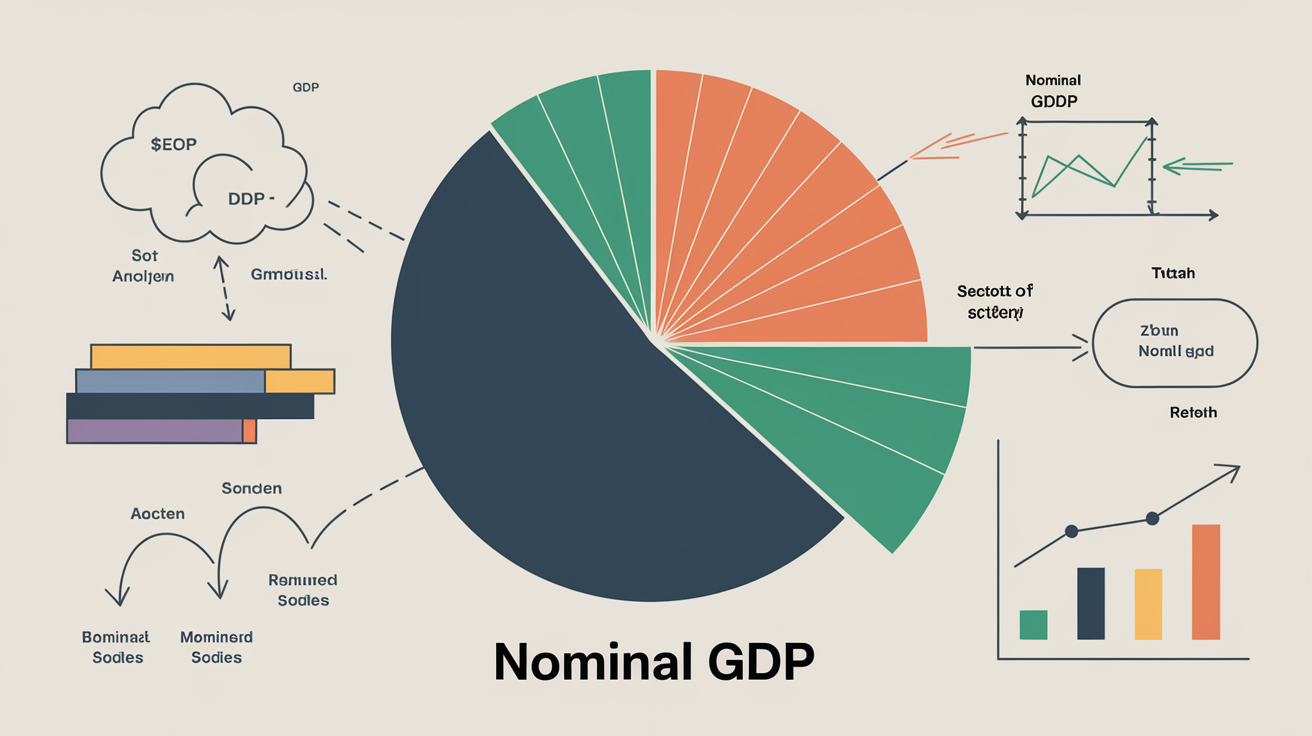
Nominal value is the stated amount without inflation adjustment. Real value accounts for price changes, giving a more accurate economic picture.
- Nominal Value:
Current price or amount
- Real Value:
Inflation-adjusted amount
This difference is crucial when comparing incomes, GDP, or investments across years.
How to Calculate Real Value
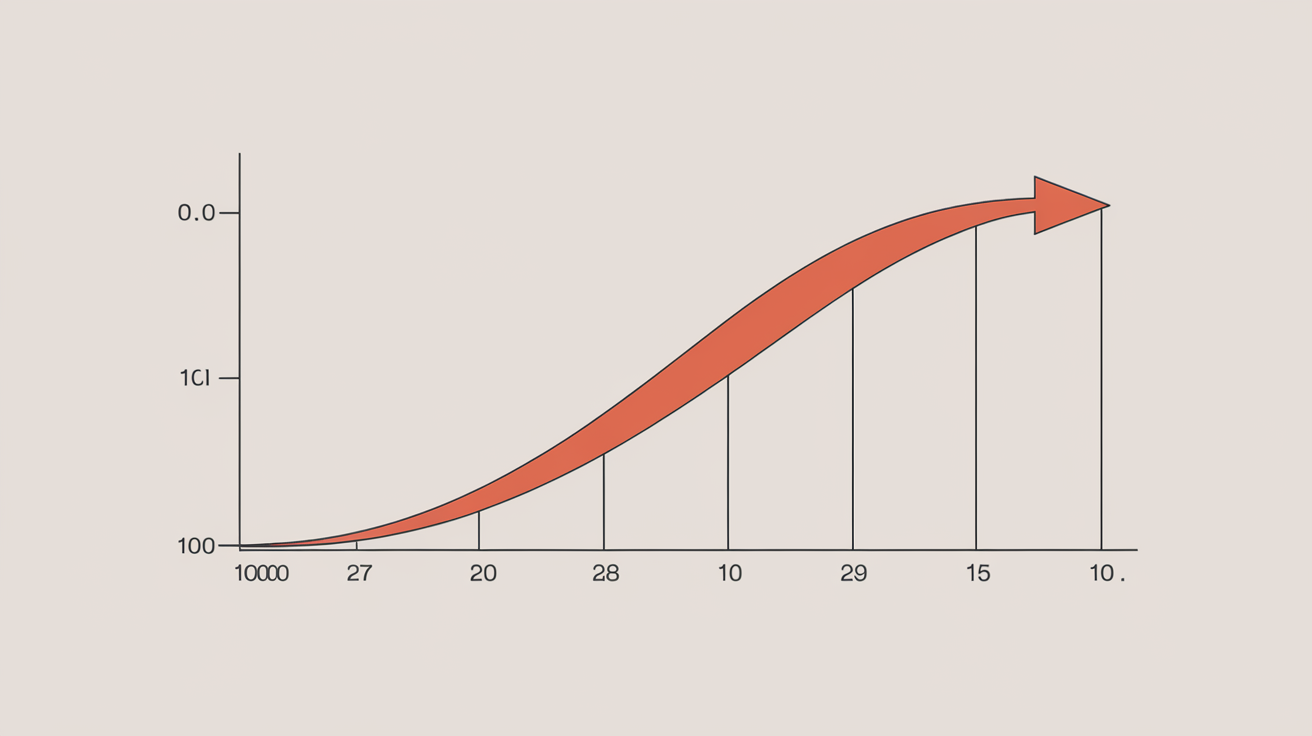
Calculating real value involves adjusting nominal value by an inflation index, like the Consumer Price Index (CPI).
The formula is:
Real Value = Nominal Value ÷ (Price Index ÷ 100)
For instance, if nominal GDP is $1 trillion and CPI is 120, real GDP = $1 trillion ÷ (120 ÷ 100) = $833.33 billion.
Importance of Real Value in Economics
Real value is essential for making informed financial decisions and economic analysis.
Helps compare income or prices over time accurately
Guides policymakers in setting interest rates and inflation targets
Allows investors to assess true returns on investments
Assists businesses in pricing and wage decisions
Examples of Real Value in Everyday Life
You encounter real value in many ways, even if you don’t realize it.
- Salaries:
Adjusting pay raises for inflation to see real income growth
- Housing Prices:
Comparing home prices over decades after inflation
- Investments:
Calculating real returns after accounting for inflation
- Cost of Living:
Understanding how inflation affects your daily expenses
Limitations of Real Value
While real value is useful, it has some limitations.
Depends on accurate inflation measurement, which can vary
May not capture quality changes in goods or services
Different inflation indices can produce different real values
Still, it remains a vital tool for economic clarity.
Conclusion
Real value in economics shows the true worth of money and goods by adjusting for inflation. It helps you understand purchasing power and make smarter financial choices.
By focusing on real value rather than nominal figures, you gain a clearer view of economic trends, income growth, and investment returns. This knowledge empowers you to plan better for your financial future.
What is the difference between real value and nominal value?
Real value adjusts for inflation to show true purchasing power, while nominal value is the face amount without inflation adjustment.
Why is real value important in economics?
It helps compare economic data over time accurately, guiding decisions by reflecting true worth beyond price changes.
How do you calculate real value?
Divide the nominal value by the price index (inflation measure) divided by 100 to adjust for inflation.
Can real value change if prices stay constant?
No, if prices remain stable, real value equals nominal value since inflation adjustment is unnecessary.
What are common uses of real value?
Real value is used to assess income growth, GDP, investment returns, and cost of living changes over time.