What is the Great Recession in Macroeconomics?
Explore the Great Recession in macroeconomics, its causes, effects, and lessons to help you understand economic downturns and protect your finances.
Introduction
The Great Recession is one of the most significant economic downturns in recent history. It affected economies worldwide and changed how we view financial stability and risk. Understanding this event helps you grasp how macroeconomic factors influence markets and personal finances.
In this article, we will explore what caused the Great Recession, its impact on the global economy, and the lessons you can learn to better prepare for future economic challenges.
What Was the Great Recession?
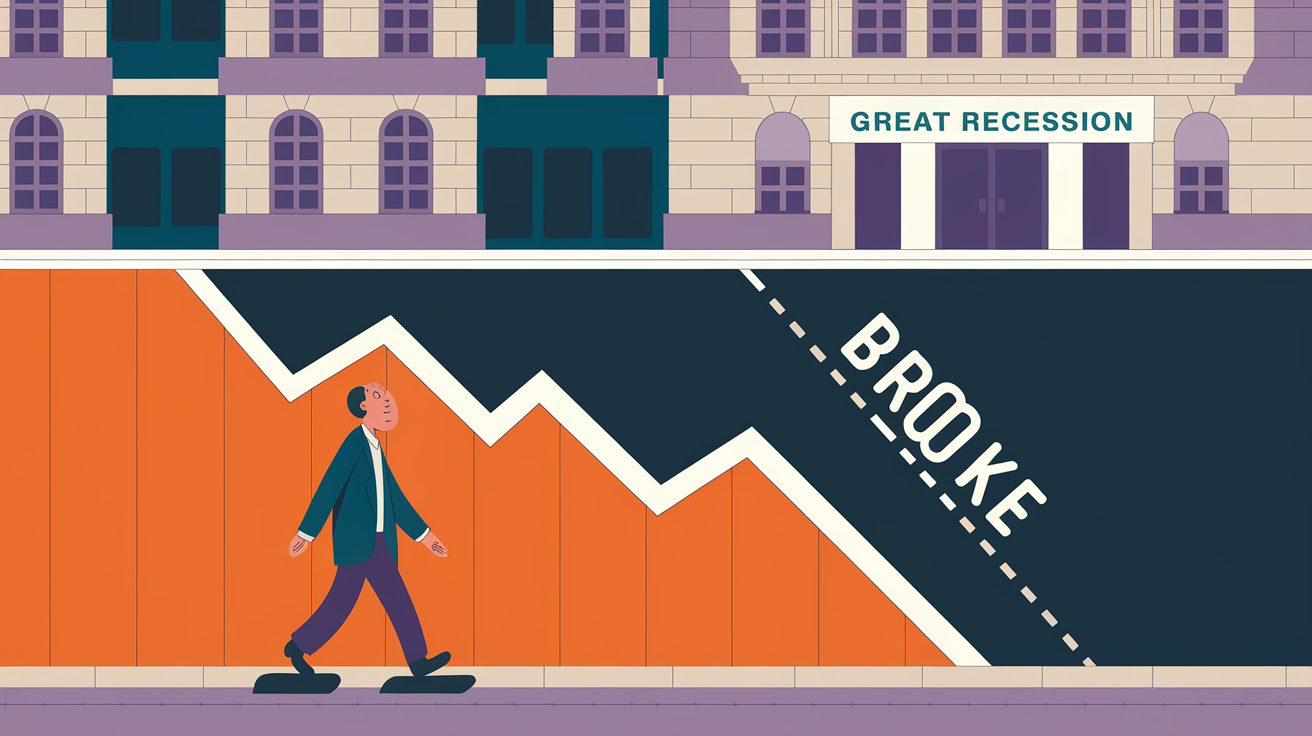
The Great Recession refers to the severe global economic decline that started in late 2007 and lasted until around 2009. It was the worst economic crisis since the Great Depression of the 1930s. This recession led to widespread job losses, housing market crashes, and financial institution failures.
Unlike typical recessions, the Great Recession was triggered by a collapse in the housing market and a crisis in the banking sector. It exposed vulnerabilities in financial systems and regulatory frameworks worldwide.
Causes of the Great Recession
Several key factors combined to cause the Great Recession. Understanding these helps you see how interconnected economic systems can be.
- Housing Bubble Burst:
Excessive lending and risky mortgage products inflated housing prices. When prices fell, many homeowners defaulted on loans.
- Subprime Mortgages:
Banks gave loans to borrowers with poor credit, increasing default risks.
- Financial Derivatives:
Complex financial products like mortgage-backed securities spread risk but also amplified losses.
- Bank Failures:
Major banks faced insolvency due to bad loans and risky investments.
- Regulatory Failures:
Lack of oversight allowed risky practices to grow unchecked.
Impact on the Global Economy
The Great Recession had far-reaching effects beyond the United States. It caused a global slowdown, affecting trade, employment, and government finances.
- High Unemployment:
Millions lost jobs worldwide as companies cut costs.
- Stock Market Declines:
Global markets lost trillions in value.
- Government Debt:
Many countries increased spending to stimulate economies, raising debt levels.
- Bank Bailouts:
Governments intervened to save failing banks and restore confidence.
- Reduced Consumer Spending:
People cut back on purchases, further slowing growth.
Macroeconomic Lessons from the Great Recession
The Great Recession taught important lessons about economic management and financial risk.
- Importance of Regulation:
Strong oversight can prevent risky lending and investment practices.
- Monetary Policy Role:
Central banks must act swiftly to stabilize economies during crises.
- Global Interconnectedness:
Economic troubles in one country can quickly spread worldwide.
- Need for Financial Transparency:
Clear reporting helps identify risks early.
- Personal Finance Awareness:
Individuals should avoid excessive debt and diversify investments.
How the Great Recession Changed Economic Policies
In response to the crisis, governments and central banks adopted new policies to prevent future recessions.
- Stricter Banking Rules:
Regulations like Basel III increased capital requirements for banks.
- Stress Testing:
Banks now undergo regular tests to ensure they can withstand economic shocks.
- Quantitative Easing:
Central banks used asset purchases to inject liquidity into markets.
- Consumer Protection:
New agencies and laws were created to protect borrowers.
- International Cooperation:
Countries work together more closely to monitor global risks.
How You Can Prepare for Economic Downturns
While recessions are hard to predict, you can take steps to protect your finances.
- Build an Emergency Fund:
Save at least 3-6 months of expenses.
- Diversify Investments:
Spread money across stocks, bonds, and other assets.
- Manage Debt Wisely:
Avoid high-interest and unnecessary loans.
- Stay Informed:
Understand economic trends and adjust plans accordingly.
- Focus on Skills:
Enhance your job skills to improve employment security.
Conclusion
The Great Recession was a defining moment in modern macroeconomics. It revealed how fragile financial systems can be and the importance of sound economic policies.
By understanding its causes and effects, you can better navigate economic uncertainties. Preparing your finances and staying informed will help you face future downturns with confidence.
FAQs
What triggered the Great Recession?
The Great Recession was triggered mainly by the collapse of the U.S. housing bubble and widespread defaults on subprime mortgages, which led to a banking crisis.
How long did the Great Recession last?
The recession officially lasted from late 2007 to mid-2009, but its economic effects continued for several years afterward.
What role did banks play in the Great Recession?
Banks issued risky loans and invested heavily in complex financial products, which led to massive losses and failures during the crisis.
How did governments respond to the Great Recession?
Governments implemented stimulus packages, bailed out banks, and introduced stricter financial regulations to stabilize economies.
Can another Great Recession happen?
While possible, improved regulations and monitoring reduce the risk. Staying financially prepared helps individuals handle potential downturns.