What is Fiscal Drag in Macroeconomics?
Understand fiscal drag in macroeconomics, how it affects tax revenues, inflation, and economic growth with clear examples and practical insights.

Introduction
Fiscal drag is a key concept in macroeconomics that impacts how government tax policies interact with economic growth. If you want to understand how inflation and income changes affect your taxes and the economy, fiscal drag is important to know.
In this article, we will explore what fiscal drag means, how it works, and why it matters for both individuals and governments. You'll also learn how it influences tax revenues and economic behavior.
What is Fiscal Drag?
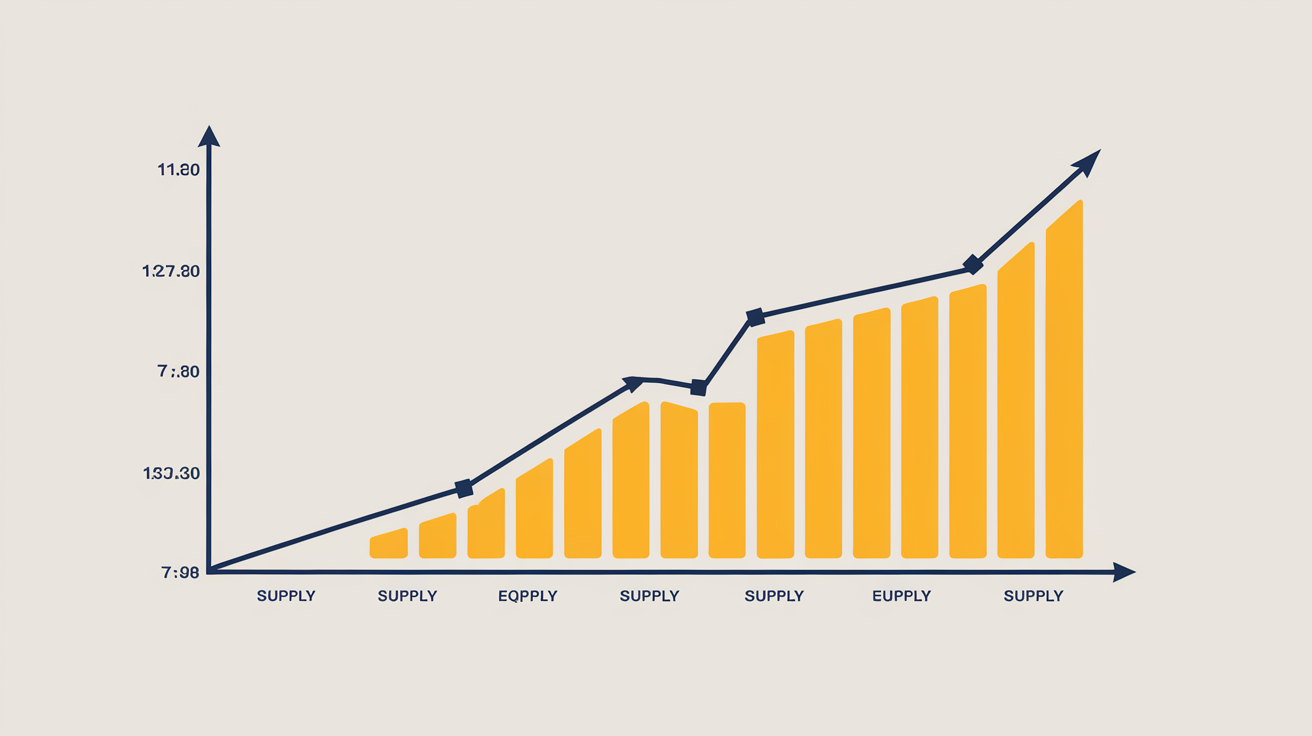
Fiscal drag happens when inflation or income growth pushes taxpayers into higher tax brackets, increasing their tax burden without any change in tax rates. This effect can slow down economic growth by reducing disposable income.
Simply put, even if tax rates stay the same, people may end up paying more taxes because their incomes rise due to inflation or real growth. This hidden tax increase is called fiscal drag.
How Fiscal Drag Works
Governments often set tax brackets that are not adjusted regularly for inflation. When incomes increase with inflation, taxpayers move into higher brackets, paying a larger share of their income in taxes.
Example: If your income rises from $50,000 to $55,000 due to inflation, but tax brackets remain fixed, you might pay a higher tax rate on the extra $5,000.
This means your real purchasing power could decrease even though your nominal income increased.
Fiscal drag increases government tax revenues without raising tax rates.
Types of Fiscal Drag
There are two main types of fiscal drag that economists recognize:
- Bracket Creep:
When inflation pushes incomes into higher tax brackets.
- Real Fiscal Drag:
When real income growth (beyond inflation) causes taxpayers to pay more taxes.
Both forms reduce disposable income and can affect consumer spending and saving habits.
Impacts of Fiscal Drag on the Economy
Fiscal drag can have several effects on the broader economy, including:
- Reduced Consumer Spending:
Higher taxes mean less money to spend, which can slow economic growth.
- Increased Government Revenue:
Governments collect more taxes without changing rates, which can help reduce budget deficits.
- Inflation Control:
By reducing disposable income, fiscal drag can help cool down an overheating economy.
- Potential for Recession:
If fiscal drag is too strong, it may suppress demand and lead to economic slowdown.
How Governments Manage Fiscal Drag
To avoid unintended tax increases, many governments adjust tax brackets for inflation regularly. This process is called indexation.
Indexing tax brackets helps maintain taxpayers' real income levels.
Some countries also adjust personal allowances and credits to reduce fiscal drag.
However, some governments may allow fiscal drag to increase revenues during times of budget deficits.
Examples of Fiscal Drag in Practice
Fiscal drag is common in countries with progressive tax systems and moderate inflation. For example:
In the United States, tax brackets are indexed annually to inflation to prevent bracket creep.
In some European countries, failure to adjust tax brackets has led to higher effective tax rates over time.
During periods of high inflation, fiscal drag can significantly increase government revenues without new legislation.
Fiscal Drag vs. Other Tax Concepts
It’s important to distinguish fiscal drag from related terms:
- Bracket Creep:
A type of fiscal drag caused specifically by inflation.
- Tax Progressivity:
The structure of tax rates increasing with income, which fiscal drag exploits.
- Inflation Tax:
The loss of purchasing power due to inflation, which can overlap with fiscal drag effects.
Conclusion
Fiscal drag is a subtle but powerful force in macroeconomics. It increases tax revenues as incomes rise with inflation or real growth, even when tax rates remain unchanged. This can reduce disposable income and slow economic growth.
Understanding fiscal drag helps you see how tax policies affect your finances and the economy. Governments balance fiscal drag effects by adjusting tax brackets or using it strategically to manage budgets and inflation.
FAQs
What causes fiscal drag?
Fiscal drag is caused mainly by inflation or real income growth pushing taxpayers into higher tax brackets without changes in tax rates.
How does fiscal drag affect taxpayers?
It increases the amount of tax paid, reducing disposable income and potentially lowering purchasing power.
Can fiscal drag be avoided?
Yes, governments can index tax brackets to inflation to prevent bracket creep and reduce fiscal drag.
Is fiscal drag good or bad for the economy?
It can be good by increasing government revenue and controlling inflation but bad if it reduces consumer spending too much.
Does fiscal drag happen in all countries?
Fiscal drag mainly occurs in countries with progressive tax systems and inflation, especially where tax brackets are not regularly adjusted.