Termination of Employment in Labor Economics Explained
Explore the concept of termination of employment in labor economics, its types, causes, and impacts on workers and employers.
Introduction
Understanding termination of employment is crucial for both workers and employers. It shapes labor markets and affects economic stability. In labor economics, termination refers to the end of an employee's contract with an employer.
We will explore what termination means, its various types, reasons behind it, and the economic effects it has on individuals and businesses. This knowledge helps you navigate employment changes more confidently.
What is Termination of Employment?
Termination of employment occurs when the working relationship between an employee and employer ends. This can be voluntary or involuntary and may happen for many reasons.
In labor economics, termination is studied to understand how job losses affect the economy, wages, and labor supply.
- Voluntary termination:
When an employee decides to leave, such as resignation or retirement.
- Involuntary termination:
When the employer ends the contract, including layoffs, dismissals, or redundancies.
Types of Termination
There are several common types of employment termination, each with different causes and consequences.
- Resignation:
Employee chooses to leave, often for better opportunities or personal reasons.
- Retirement:
Employee leaves after reaching a certain age or years of service.
- Layoff:
Employer ends jobs due to economic downturns, restructuring, or cost-cutting.
- Dismissal:
Termination due to employee misconduct or poor performance.
- Redundancy:
Position is eliminated because it is no longer needed.
Causes of Termination
Several factors lead to employment termination. Understanding these helps employers manage workforce changes and employees prepare for job transitions.
- Economic conditions:
Recessions or slowdowns reduce demand, causing layoffs.
- Technological changes:
Automation can replace certain jobs.
- Organizational restructuring:
Mergers or strategy shifts may eliminate roles.
- Employee performance:
Poor work quality or violations can lead to dismissal.
- Personal reasons:
Employees may leave due to health, family, or relocation.
Economic Impact of Termination
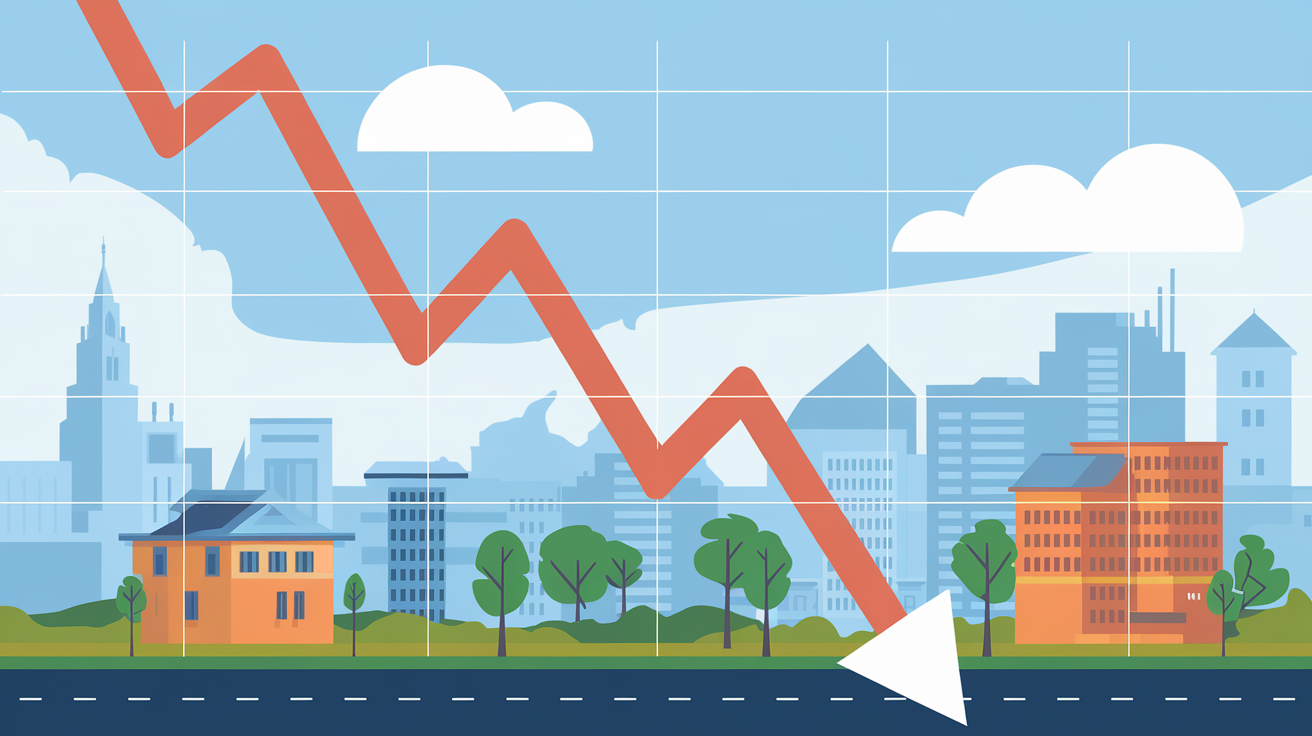
Termination affects both individuals and the broader economy. It influences unemployment rates, consumer spending, and labor market dynamics.
- For employees:
Job loss can cause income instability and stress.
- For employers:
Termination can reduce costs but may lower morale and productivity.
- For the economy:
High termination rates can increase unemployment and reduce economic growth.
Legal and Social Considerations
Labor laws regulate termination to protect workers’ rights and ensure fair treatment.
- Notice periods:
Employers often must give advance notice before termination.
- Severance pay:
Compensation may be required depending on contract and law.
- Unfair dismissal protections:
Laws prevent termination without valid reasons.
- Social safety nets:
Unemployment benefits support workers after job loss.
How to Manage Termination Effectively
Both employers and employees can take steps to handle termination smoothly.
- Employers:
Communicate clearly, provide support, and follow legal procedures.
- Employees:
Understand your rights, seek advice, and plan finances.
- Career transition:
Use training and networking to find new opportunities.
Conclusion
Termination of employment is a key concept in labor economics that affects workers, businesses, and the economy. Knowing its types, causes, and impacts helps you prepare for or manage job changes.
By understanding legal protections and economic effects, you can make informed decisions and reduce the stress linked to employment termination. Whether you are an employee or employer, this knowledge is essential for navigating today’s labor market.
What is the difference between voluntary and involuntary termination?
Voluntary termination is when the employee chooses to leave, like resignation. Involuntary termination happens when the employer ends the contract, such as layoffs or dismissals.
What are common reasons for employment termination?
Common reasons include economic downturns, poor performance, organizational changes, technological shifts, and personal decisions like retirement.
How does termination affect the economy?
Termination can increase unemployment, reduce consumer spending, and impact overall economic growth negatively if widespread.
What legal protections exist for terminated employees?
Employees often have rights to notice periods, severance pay, and protection against unfair dismissal under labor laws.
How can employees prepare for possible termination?
Employees should know their rights, maintain savings, update skills, and network to improve job security and transition smoothly if needed.