What Is Trade Sanction in International Economics?
Understand trade sanctions in international economics, their types, impacts, and how they influence global trade and diplomacy.
Introduction to Trade Sanctions
Trade sanctions are powerful tools used by countries to influence the behavior of other nations. They restrict or prohibit trade with a target country to achieve political or economic goals. You might wonder how these sanctions affect global markets and diplomacy. In this article, we’ll explore what trade sanctions are, why they are imposed, and their impact on international economics.
Understanding trade sanctions helps you grasp how governments use economic measures instead of military force. This knowledge is crucial if you’re interested in global trade, international relations, or economic policy.
What Are Trade Sanctions?
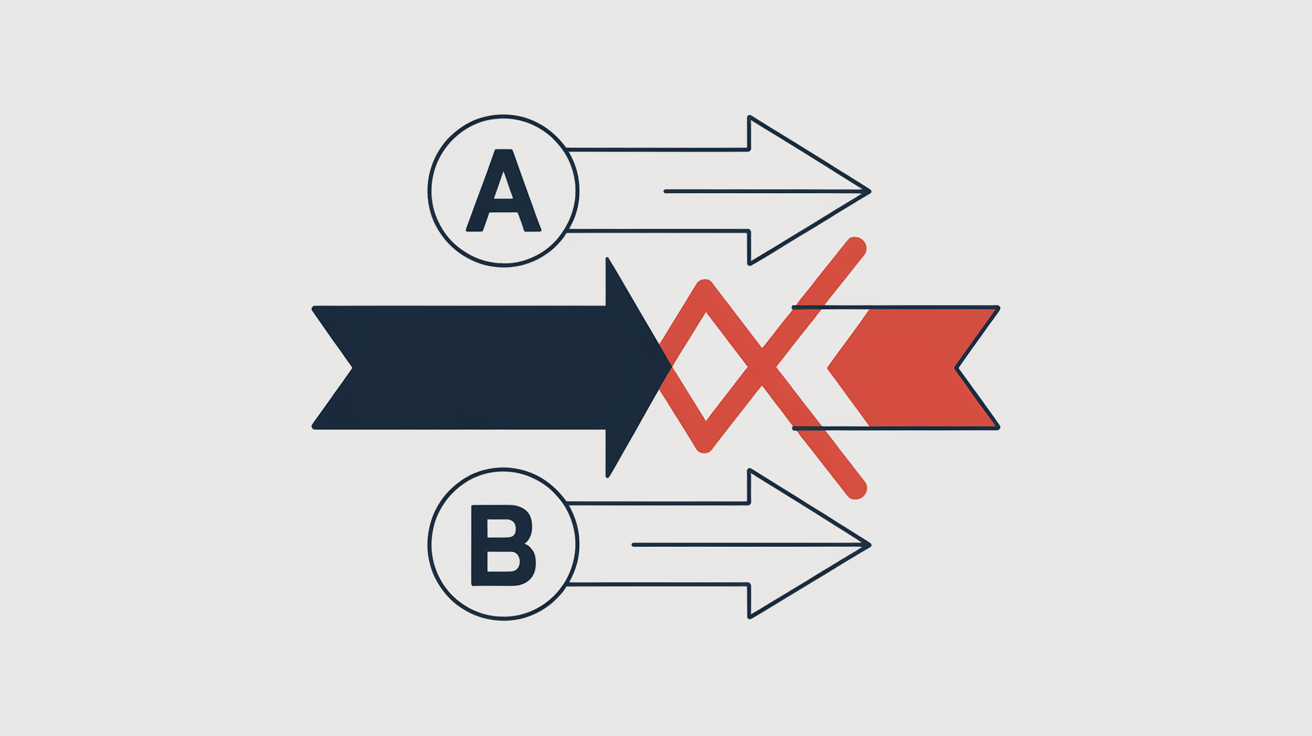
Trade sanctions are official restrictions placed by one or more countries on trade with a specific nation or group. These measures can include bans on imports, exports, or financial transactions. The goal is to pressure the targeted country to change certain policies or actions.
- Types of Trade Sanctions:
Embargoes, tariffs, quotas, and asset freezes.
- Scope:
Sanctions can be unilateral (by one country) or multilateral (by multiple countries or international organizations).
- Legal Basis:
Often backed by international law or national legislation.
Why Are Trade Sanctions Imposed?
Countries impose trade sanctions for various reasons, mainly to promote security and human rights or to respond to violations of international law.
- Political Pressure:
To influence a country’s government or policies.
- Human Rights:
To punish regimes that violate human rights.
- Security Concerns:
To prevent the spread of weapons or terrorism.
- Economic Leverage:
To gain negotiation advantages in trade or diplomacy.
Types of Trade Sanctions Explained
Trade sanctions come in several forms, each with specific effects on international trade.
- Embargo:
A complete ban on trade with a country, often the strictest form.
- Import/Export Restrictions:
Limits on specific goods or services.
- Tariffs and Quotas:
Increased taxes or limits on the quantity of goods traded.
- Financial Sanctions:
Blocking access to banking systems or freezing assets.
Impact of Trade Sanctions on Global Economics
Trade sanctions can have wide-ranging effects on both the targeted country and the global economy.
- Economic Slowdown:
Targeted countries may face reduced exports, job losses, and inflation.
- Supply Chain Disruptions:
Sanctions can interrupt global supply chains, affecting industries worldwide.
- Market Volatility:
Uncertainty from sanctions can lead to fluctuating commodity prices and stock markets.
- Diplomatic Relations:
Sanctions may strain relationships between countries, impacting cooperation.
How Countries Respond to Trade Sanctions
Targeted countries often take steps to mitigate the effects of sanctions.
- Seeking Alternative Markets:
Redirecting trade to friendly nations.
- Domestic Production:
Increasing self-sufficiency to reduce reliance on imports.
- Legal Challenges:
Contesting sanctions in international courts.
- Negotiations:
Engaging in diplomacy to lift or ease sanctions.
Examples of Trade Sanctions in Recent History
Several notable trade sanctions have shaped international relations in recent decades.
- US Sanctions on Iran:
Targeting nuclear activities and regional policies.
- EU Sanctions on Russia:
In response to the annexation of Crimea and conflicts in Ukraine.
- UN Sanctions on North Korea:
To curb nuclear weapons development.
Challenges and Criticisms of Trade Sanctions
While trade sanctions are useful tools, they also face criticism and challenges.
- Humanitarian Impact:
Sanctions can hurt ordinary citizens more than governments.
- Ineffectiveness:
Some sanctions fail to change targeted behaviors.
- Economic Harm to Allies:
Sanctions may negatively affect businesses in sanctioning countries.
- Evasion Tactics:
Targeted countries may find ways to bypass sanctions.
Conclusion
Trade sanctions play a significant role in international economics and diplomacy. They serve as non-military tools to influence countries’ actions and uphold global norms. However, their effectiveness depends on careful design and international cooperation.
By understanding trade sanctions, you can better appreciate the complexities of global trade and political strategies. Whether you’re an investor, student, or global citizen, this knowledge helps you navigate the interconnected world economy.
What are trade sanctions?
Trade sanctions are restrictions imposed by countries to limit trade with a target nation, aiming to influence its policies or behavior.
How do trade sanctions affect global markets?
They can disrupt supply chains, cause market volatility, and impact industries worldwide by limiting trade flows.
Can trade sanctions harm ordinary citizens?
Yes, sanctions often affect the general population by causing shortages, inflation, and economic hardship.
Are trade sanctions always effective?
No, some sanctions fail to achieve their goals due to evasion or lack of international support.
What is the difference between unilateral and multilateral sanctions?
Unilateral sanctions are imposed by one country, while multilateral sanctions involve multiple countries or international bodies working together.