What is Pareto Efficiency In Economics
Explore Pareto Efficiency in economics, its meaning, applications, and how it helps optimize resource allocation for better economic decisions.
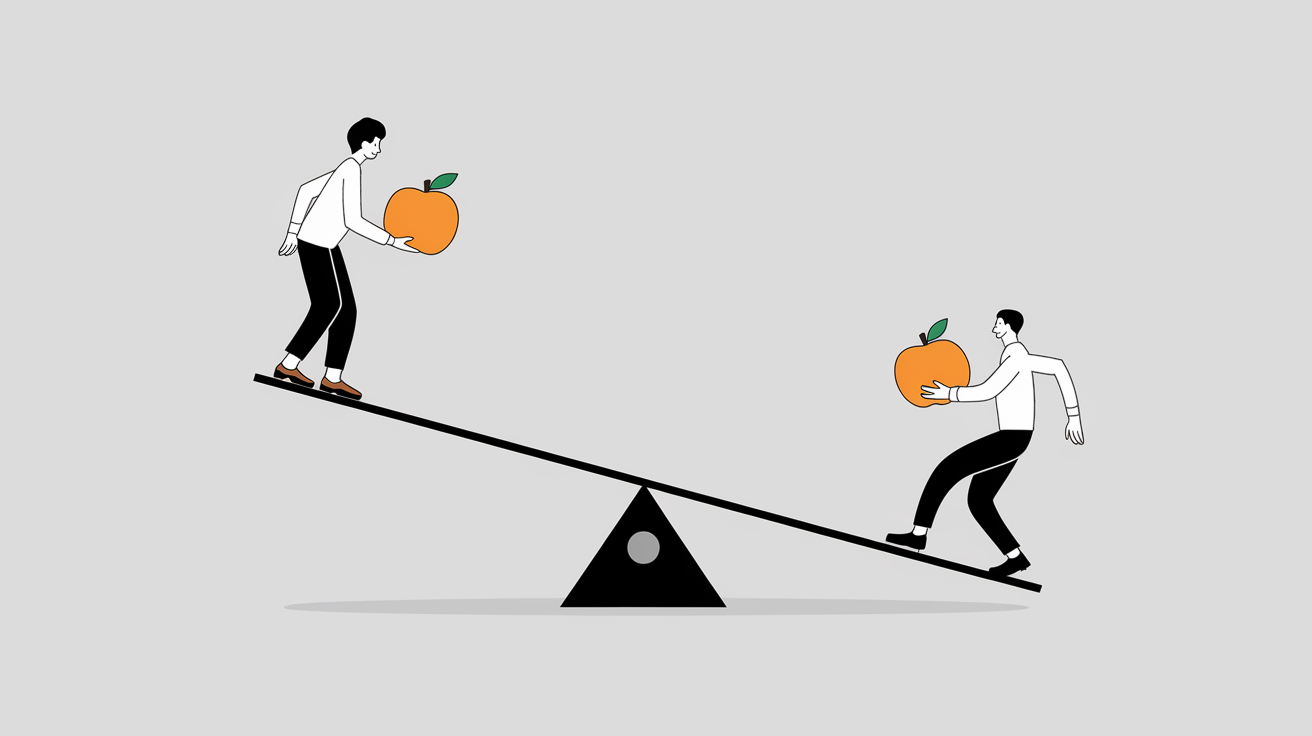
Introduction to Pareto Efficiency
Understanding how resources are allocated efficiently is key to economics. Pareto Efficiency is a concept that helps us see when resources are used in the best possible way without making anyone worse off. It’s a simple but powerful idea that guides many economic decisions.
In this article, we will explore what Pareto Efficiency means, why it matters, and how it applies in real-world economics. You’ll learn how this concept helps improve fairness and efficiency in markets and policy-making.
What is Pareto Efficiency?
Pareto Efficiency, also called Pareto Optimality, is a state where resources are allocated so that no one can be made better off without making someone else worse off. It means the economy is operating efficiently in terms of distribution.
Here are some key points:
Named after economist Vilfredo Pareto.
Focuses on improving one person’s situation without harming others.
Does not necessarily mean equal or fair distribution.
Used to evaluate economic outcomes and policies.
How Does Pareto Efficiency Work?
Imagine a situation where two people share a pie. If you give more pie to one person without taking away from the other, you improve their situation without harm. But if giving more to one means less for the other, you are not improving efficiency.
In economics, Pareto Efficiency means:
Resources are fully utilized.
No waste or unused potential.
Any change to help one person would hurt another.
Examples of Pareto Efficiency
To understand this better, here are some practical examples:
- Trade:
When two countries trade goods, both benefit without harming each other’s economy.
- Market Equilibrium:
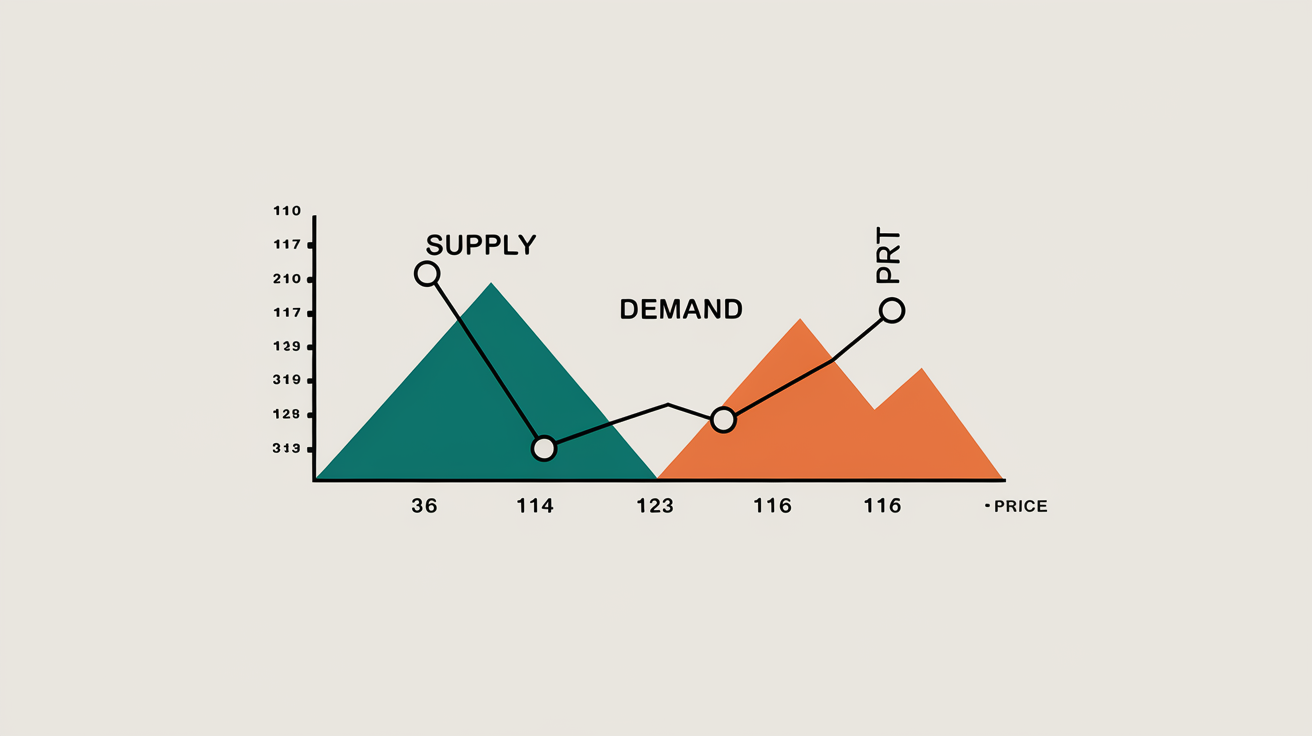
Prices adjust so supply meets demand, maximizing satisfaction without waste.
- Job Allocation:
Workers are matched to jobs where they are most productive, benefiting both employers and employees.
Limitations of Pareto Efficiency
While Pareto Efficiency is useful, it has some limits:
It doesn’t address fairness or equality.
Multiple Pareto efficient outcomes can exist, some less desirable.
It ignores how resources are initially distributed.
Can be hard to achieve in real-world complex economies.
Applications in Economics and Policy
Governments and economists use Pareto Efficiency to design policies that improve welfare without harming others. Some applications include:
Evaluating tax reforms to avoid hurting specific groups.
Designing trade agreements that benefit all parties.
Allocating public goods efficiently.
Improving market regulations to reduce waste.
Difference Between Pareto Efficiency and Other Economic Concepts
It’s important to distinguish Pareto Efficiency from related ideas:
- Allocative Efficiency:
Focuses on producing the right mix of goods.
- Productive Efficiency:
Producing goods at the lowest cost.
- Equity:
Concerned with fairness, which Pareto Efficiency does not guarantee.
Conclusion
Pareto Efficiency is a fundamental concept that helps us understand when resources are used in the best possible way without harming others. It guides economists and policymakers in making decisions that improve overall welfare.
While it doesn’t solve all economic problems, especially fairness, it remains a valuable tool for analyzing efficiency. Knowing about Pareto Efficiency helps you grasp how economic choices impact society and why some trade-offs are necessary.
FAQs
What does Pareto Efficiency mean in simple terms?
It means resources are allocated so no one can be made better off without making someone else worse off.
Who developed the concept of Pareto Efficiency?
Italian economist Vilfredo Pareto introduced this concept to describe efficient resource allocation.
Is Pareto Efficiency the same as fairness?
No, Pareto Efficiency focuses on efficiency, not fairness or equal distribution.
Can there be multiple Pareto efficient outcomes?
Yes, many different allocations can be Pareto efficient, some more desirable than others.
How is Pareto Efficiency used in policy-making?
Policymakers use it to design reforms that improve welfare without harming any group.