What is Economic Stimulus? Explained Simply
Learn what economic stimulus means, how it works, and its impact on growth and recovery in this clear, expert guide.
Introduction
Understanding economic stimulus is key to grasping how governments support their economies during tough times. You might have heard about stimulus packages in news or discussions about economic recovery. But what exactly does economic stimulus mean, and how does it affect your daily life?
In this article, we’ll explore the concept of economic stimulus, its types, and why it matters. This will help you see how these measures aim to boost growth and stabilize markets when economies face challenges.
What Is Economic Stimulus?
Economic stimulus refers to actions taken by governments or central banks to encourage economic growth. When an economy slows down or faces recession, stimulus measures aim to increase spending, investment, and demand.
Stimulus can involve various tools designed to inject money into the economy, making it easier for businesses and consumers to spend and invest. The goal is to speed up economic activity and reduce unemployment.
Key Objectives of Economic Stimulus
Boost consumer spending and demand
Encourage business investments
Create or preserve jobs
Prevent deflation or economic contraction
Types of Economic Stimulus
There are two main types of economic stimulus: fiscal and monetary. Each uses different methods but shares the goal of reviving economic growth.
Fiscal Stimulus
Fiscal stimulus involves government spending and tax policies. Governments increase spending on infrastructure, social programs, or direct payments to citizens. They may also cut taxes to leave more money in people’s hands.
- Examples:
Infrastructure projects, unemployment benefits, tax rebates
- Impact:
Directly increases demand by putting money into the economy
Monetary Stimulus
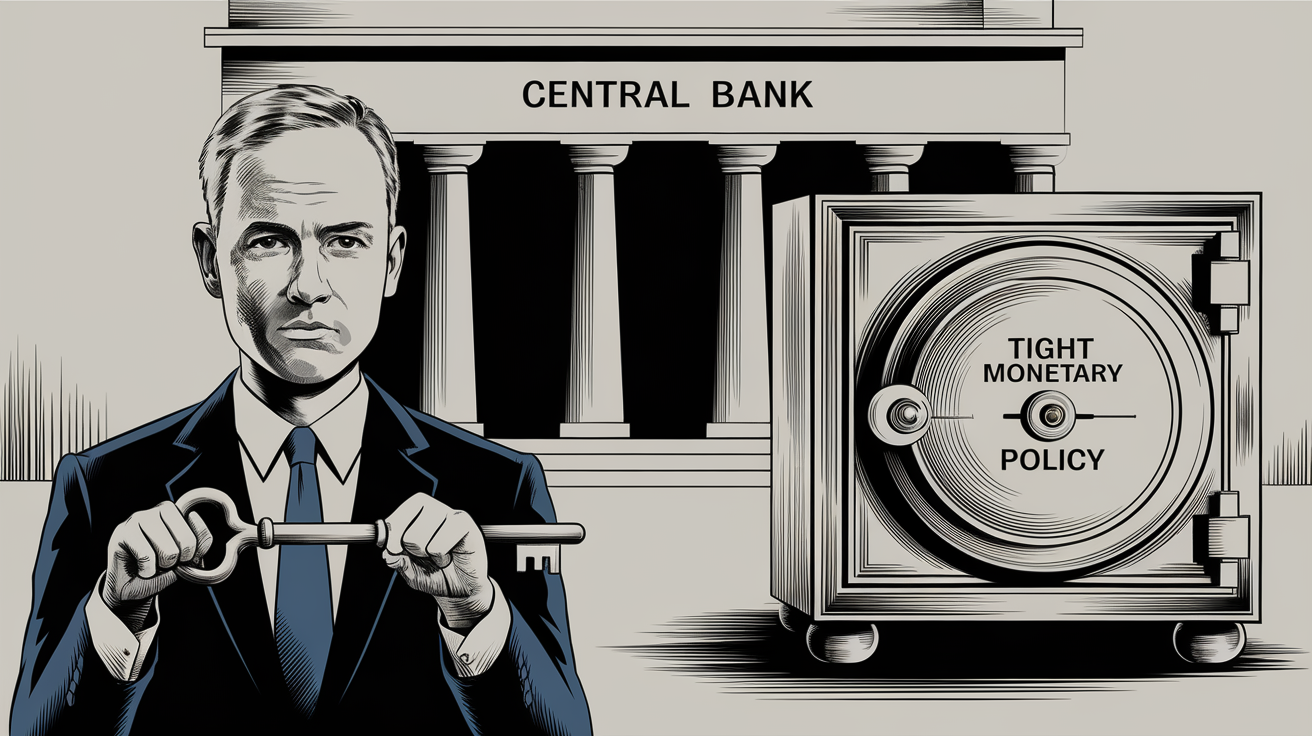
Monetary stimulus is managed by central banks. It focuses on lowering interest rates or buying financial assets to increase money supply. This makes borrowing cheaper and encourages lending and investment.
- Examples:
Lowering interest rates, quantitative easing
- Impact:
Encourages banks and businesses to borrow and spend more
How Economic Stimulus Works in Practice
When a government launches a stimulus package, it usually targets sectors that can quickly boost growth. For example, investing in roads or schools creates jobs and increases demand for materials.
Lower interest rates from central banks reduce loan costs, making it easier for consumers to buy homes or cars and for companies to expand operations.
Stimulus increases overall spending in the economy.
Higher demand encourages businesses to produce more.
More production leads to hiring and income growth.
Benefits of Economic Stimulus
Stimulus measures can help economies recover faster from recessions. They support jobs, stabilize markets, and prevent long-term damage from economic downturns.
Reduces unemployment by creating new job opportunities
Supports consumer confidence and spending
Prevents deflation and encourages price stability
Helps maintain financial system stability
Potential Risks and Criticisms
While stimulus can be helpful, it is not without risks. If not managed well, it can lead to inflation, higher government debt, or inefficient spending.
- Inflation:
Too much stimulus can push prices up too quickly.
- Debt:
Increased government spending may raise national debt levels.
- Timing:
Stimulus that comes too late or ends too soon may be ineffective.
- Misallocation:
Funds might go to projects that don’t boost growth.
Examples of Economic Stimulus in Recent Years
Governments worldwide have used stimulus during economic crises. For instance, during global recessions, many countries launched large fiscal packages to support businesses and workers.
The U.S. implemented stimulus checks and infrastructure spending to combat recession effects.
Central banks lowered interest rates to historic lows to encourage borrowing.
Quantitative easing programs were used to stabilize financial markets.
Conclusion
Economic stimulus is a powerful tool that governments and central banks use to support growth during slowdowns. By increasing spending and lowering borrowing costs, stimulus helps revive demand and jobs.
However, it requires careful planning to balance benefits against risks like inflation and debt. Understanding how stimulus works can help you better grasp economic news and its impact on your finances.
What is the main goal of economic stimulus?
The main goal is to boost economic growth by increasing spending, investment, and job creation during downturns.
How does fiscal stimulus differ from monetary stimulus?
Fiscal stimulus uses government spending and tax cuts, while monetary stimulus involves central banks lowering interest rates and increasing money supply.
Can economic stimulus cause inflation?
Yes, if stimulus is too large or prolonged, it can lead to higher inflation by increasing demand beyond supply.
Why do governments use stimulus during recessions?
Stimulus helps prevent deeper economic decline by encouraging spending and investment when private demand is weak.
What are some risks of economic stimulus?
Risks include rising debt, inflation, poor timing, and inefficient use of funds that may not boost growth effectively.