What Is a Developed Economy? Key Features Explained
Understand what a developed economy is, its key features, and how it impacts global growth and investment opportunities.

Introduction
When you hear the term "developed economy," it often refers to countries with strong financial systems and high living standards. Understanding what makes an economy "developed" helps you grasp global market dynamics and investment potential.
In this article, we'll explore the characteristics of developed economies, how they differ from emerging or developing ones, and why this matters for your financial decisions.
What Defines a Developed Economy?
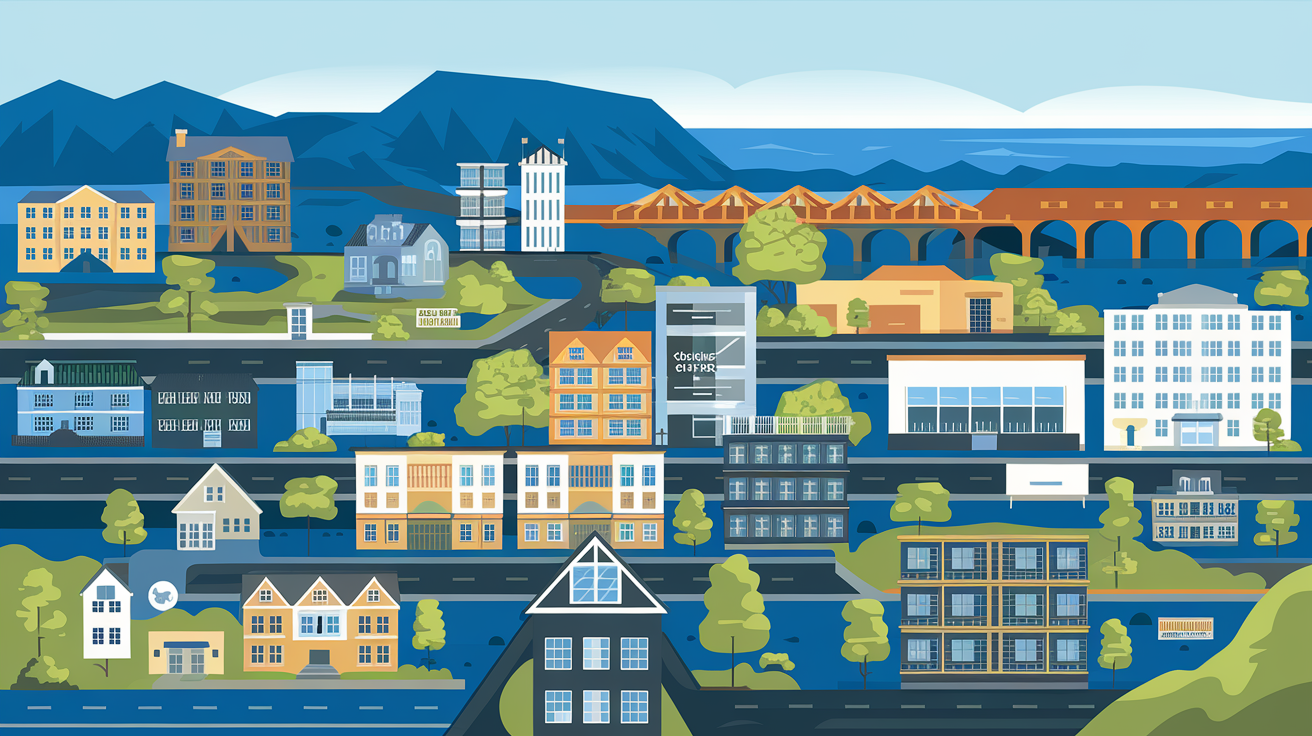
A developed economy is a nation with a high level of income per capita, advanced infrastructure, and a diverse industrial base. These countries typically enjoy stable political systems and robust financial markets.
High Gross Domestic Product (GDP) per capita
Advanced technological infrastructure
Strong healthcare and education systems
Low poverty and unemployment rates
Well-established legal and regulatory frameworks
These factors combine to create an environment conducive to sustained economic growth and high quality of life.
Key Features of Developed Economies
Developed economies share several distinct features that set them apart from developing countries. Recognizing these can help you identify investment opportunities and understand economic trends.
- Industrialization:
A shift from agriculture to manufacturing and services dominates the economy.
- High Human Development Index (HDI):
Citizens enjoy longer life expectancy, better education, and higher income.
- Stable Financial Markets:
Stock exchanges and banking systems operate efficiently and transparently.
- Infrastructure:
Reliable transportation, communication, and energy networks support business and daily life.
- Innovation and Research:
Significant investment in technology and innovation drives productivity.
Examples of Developed Economies
Some of the most recognized developed economies include:
United States
Germany
Japan
United Kingdom
Canada
Australia
These countries have diversified economies and play major roles in global trade and finance.
How Developed Economies Impact Global Markets
Developed economies influence global economic stability and investment flows. Their financial markets attract international investors seeking safety and steady returns.
They often set trends in technology and innovation.
Trade policies from these countries affect global supply chains.
Currency stability in developed economies reduces investment risk.
They provide capital and expertise to developing countries through aid and investment.
Differences Between Developed and Developing Economies
Understanding the contrast helps you evaluate risks and opportunities in different markets.
- Income Levels:
Developed economies have higher average incomes.
- Economic Structure:
Developing economies rely more on agriculture and raw materials.
- Infrastructure:
Less developed in emerging markets, affecting business efficiency.
- Political Stability:
Developed countries generally have more stable governments.
- Access to Capital:
Easier in developed economies due to mature financial systems.
Investment Considerations in Developed Economies
Investing in developed economies offers certain advantages but also some limitations.
- Lower Risk:
Political and economic stability reduces uncertainty.
- Steady Returns:
Mature markets often provide consistent dividends and growth.
- Regulatory Transparency:
Clear rules protect investors.
- Lower Growth Potential:
Compared to emerging markets, growth rates may be slower.
- Diversification:
Developed markets offer a wide range of sectors and industries.
Conclusion
Understanding what a developed economy entails helps you make smarter financial and investment decisions. These economies offer stability, innovation, and infrastructure that support long-term growth.
By recognizing their key features and global impact, you can better navigate the world economy and identify where your money can work best for you.
What is the main characteristic of a developed economy?
A developed economy typically has a high GDP per capita, advanced infrastructure, and a stable political and financial system.
How do developed economies differ from developing ones?
Developed economies have higher income levels, better infrastructure, and more diversified industries compared to developing economies.
Why are developed economies important for global markets?
They influence global trade, provide stable investment opportunities, and drive innovation and technology worldwide.
Can investing in developed economies be risky?
While generally lower risk, developed economies may offer slower growth compared to emerging markets, but provide more stability and transparency.
Which countries are considered developed economies?
Countries like the United States, Germany, Japan, United Kingdom, Canada, and Australia are commonly classified as developed economies.