What is Law of Diminishing Utility Explained
Understand the Law of Diminishing Utility, its impact on consumer choices, and how it shapes economic behavior with clear examples and insights.

Introduction
You might have noticed that the more you consume something, the less satisfaction you get from each additional unit. This idea is at the heart of the Law of Diminishing Utility. It helps explain why people make certain choices when spending money or consuming goods.
In this article, we will explore what the Law of Diminishing Utility means, how it affects consumer behavior, and why it is important in economics and everyday life.
What is the Law of Diminishing Utility?
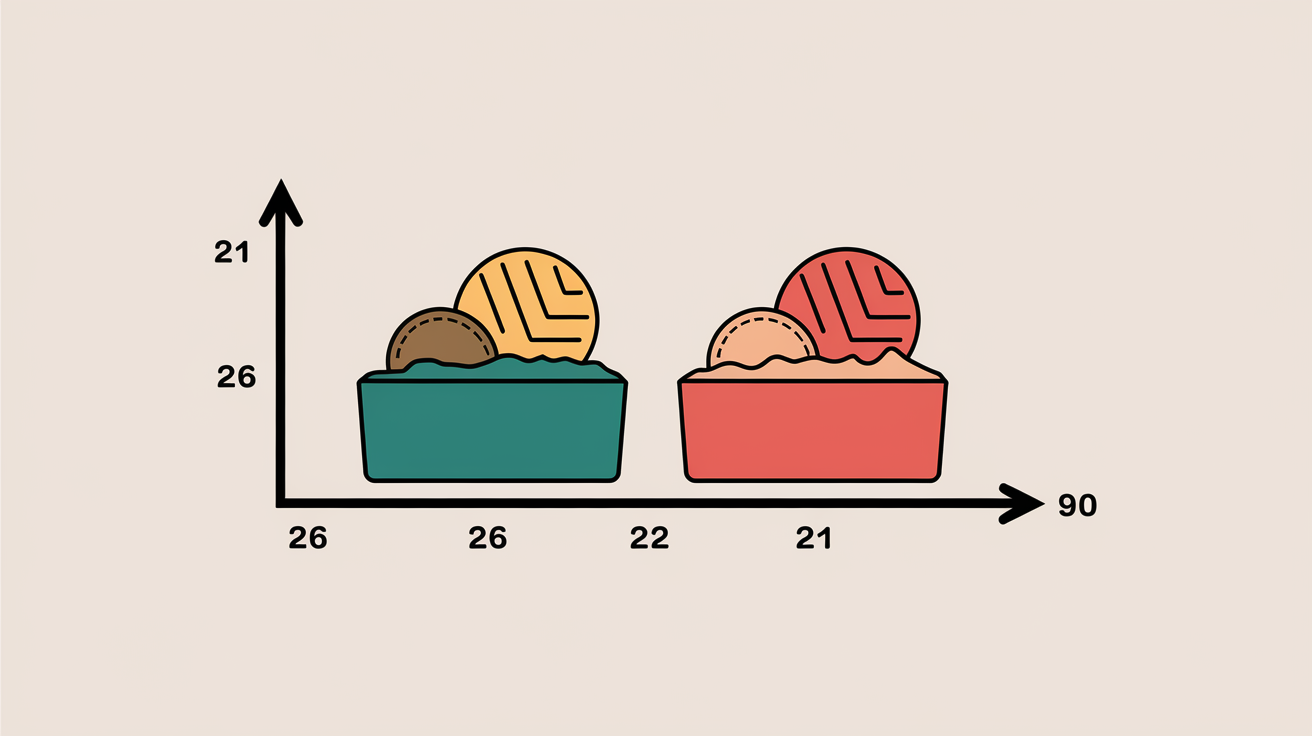
The Law of Diminishing Utility states that as a person consumes more units of a good or service, the additional satisfaction (utility) gained from each new unit tends to decrease. In simple terms, the first slice of pizza might bring great joy, but the fifth or sixth slice will likely bring less pleasure.
This principle helps explain why consumers do not keep buying the same product endlessly. It reflects the natural decline in the usefulness or happiness gained from repeated consumption.
How Does the Law Work?
Utility is a way to measure satisfaction or happiness from consuming goods. The law assumes that utility is measurable and that people make choices to maximize their total satisfaction.
- First unit:
Usually provides the highest utility because it satisfies a strong want or need.
- Subsequent units:
Each additional unit adds less satisfaction than the previous one.
- Eventually:
Utility may become zero or even negative if consumption causes discomfort.
For example, drinking water when thirsty gives high satisfaction initially, but drinking too much water can cause discomfort, reducing overall utility.
Examples of the Law of Diminishing Utility
Here are some everyday examples that illustrate this law:
- Food and Drinks:
The first bite of your favorite dessert tastes amazing, but after several bites, the pleasure fades.
- Entertainment:
Watching a movie for the first time is exciting, but re-watching it multiple times may reduce enjoyment.
- Shopping:
Buying a new gadget feels great initially, but buying many similar gadgets offers less excitement.
Importance in Economics and Consumer Behavior
The Law of Diminishing Utility is crucial for understanding how consumers make decisions. It explains why demand curves slope downward — as price falls, consumers buy more, but the added satisfaction from each unit decreases.
It also helps businesses and policymakers:
Set prices that reflect consumer satisfaction levels.
Design products that maintain or increase utility.
Predict how changes in income or prices affect consumption.
Limitations of the Law
While the law is widely accepted, it has some limitations:
Utility is subjective and hard to measure precisely.
Some goods may not follow the law strictly, like addictive products.
Preferences and circumstances can change, affecting utility.
Conclusion
The Law of Diminishing Utility is a fundamental concept that helps explain why satisfaction decreases with each additional unit consumed. It shapes consumer choices and market demand in everyday life.
Understanding this law can help you make smarter decisions about spending and consumption, ensuring you get the most value and satisfaction from your purchases.
FAQs
What does utility mean in economics?
Utility refers to the satisfaction or happiness a consumer gains from consuming a good or service. It helps explain consumer preferences and choices.
Why does utility diminish with more consumption?
Because each additional unit satisfies a smaller part of the need or desire, leading to less added satisfaction compared to previous units.
Can utility ever increase with more consumption?
Generally no, but in some cases like addictive goods, perceived utility might increase temporarily, though this is an exception.
How does this law affect pricing strategies?
Businesses price goods considering diminishing utility, often lowering prices to encourage buying more units despite lower satisfaction per unit.
Is the Law of Diminishing Utility applicable to all goods?
It applies to most goods but may not hold for all, especially unique or luxury items where utility might not decrease as quickly.