Equity-Efficiency Tradeoff in Welfare Economics Explained
Explore the equity-efficiency tradeoff in welfare economics, its impact on policy, and how balancing fairness and productivity shapes economic decisions.

Introduction
Understanding the balance between equity and efficiency is crucial in welfare economics. You often hear about fairness versus productivity, but what does this tradeoff really mean for society?
In this article, we’ll explore the equity-efficiency tradeoff, why it matters, and how policymakers navigate these competing goals to improve social welfare.
What is the Equity-Efficiency Tradeoff?
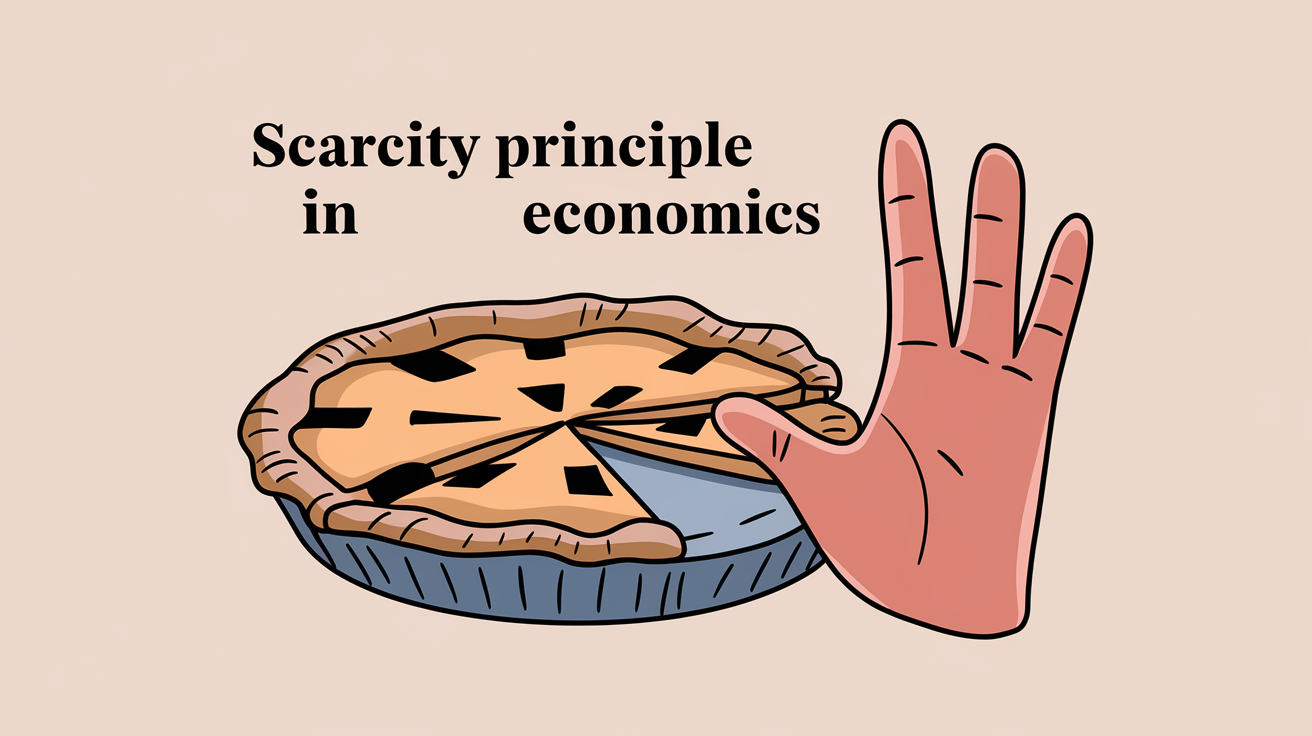
The equity-efficiency tradeoff refers to the tension between achieving a fair distribution of resources (equity) and maximizing total economic output (efficiency). Improving equity often requires redistributing income or wealth, which can reduce incentives to work or invest.
Conversely, focusing solely on efficiency might increase overall wealth but can lead to significant inequalities. This tradeoff is a central concern in welfare economics, which studies how to allocate resources to improve social well-being.
- Equity:
Fairness in income, opportunities, and living standards.
- Efficiency:
Optimal use of resources to maximize total output or welfare.
- Tradeoff:
Balancing fairness without overly sacrificing productivity.
Why Does the Tradeoff Exist?
Incentives drive economic behavior. When governments tax high earners to fund welfare programs, it can reduce their motivation to work or invest. This can lower overall economic efficiency.
On the other hand, ignoring equity can cause social unrest, reduce social cohesion, and harm long-term growth. The tradeoff exists because policies that promote fairness may discourage economic activity, while policies that maximize efficiency may increase inequality.
High taxes can reduce labor supply and investment.
Unequal societies may face higher crime and lower social trust.
Balancing these effects is complex and context-dependent.
Examples of the Tradeoff in Policy
Governments face this tradeoff when designing tax and welfare systems. For example, progressive taxation aims to redistribute income but may discourage high earners.
Minimum wage laws improve equity by raising incomes for low-wage workers but can reduce employment if set too high. Social security programs provide safety nets but require funding that can affect economic incentives.
- Progressive taxes:
Higher rates on the wealthy to fund public services.
- Welfare programs:
Support for low-income individuals to reduce poverty.
- Labor market regulations:
Minimum wages and benefits to ensure fair pay.
Approaches to Balancing Equity and Efficiency
Economists and policymakers use several strategies to manage the tradeoff. One approach is designing tax systems that minimize economic distortions while achieving redistribution.
Another is investing in education and healthcare to improve equality of opportunity without harming incentives. Conditional cash transfers also aim to support the poor while encouraging work or schooling.
Implementing broad-based consumption taxes with targeted transfers.
Encouraging human capital development to boost productivity and equity.
Using behavioral insights to design effective welfare policies.
Critiques and Limitations
Some argue the tradeoff is overstated. For example, reducing inequality can enhance efficiency by improving health and education outcomes, leading to a more productive workforce.
Others highlight that the tradeoff depends on the specific economic context and policy design. Well-crafted policies can achieve both goals to some extent.
Equity can promote social stability and economic growth.
Efficiency losses from redistribution may be smaller than assumed.
Contextual factors influence the magnitude of the tradeoff.
Conclusion
The equity-efficiency tradeoff is a fundamental concept in welfare economics. It highlights the challenge of designing policies that are both fair and economically productive.
By understanding this tradeoff, you can better appreciate the complexities policymakers face in promoting social welfare. Striking the right balance requires careful analysis, creativity, and ongoing evaluation.
FAQs
What is equity in welfare economics?
Equity refers to fairness in the distribution of income, wealth, and opportunities within a society, aiming to reduce inequality and ensure everyone has access to basic needs.
Why is efficiency important in economics?
Efficiency ensures resources are used optimally to maximize total output or welfare, which supports economic growth and improves living standards.
Can equity and efficiency be achieved simultaneously?
Yes, through well-designed policies like education investment and targeted transfers, it’s possible to improve both equity and efficiency to some degree.
How do taxes relate to the equity-efficiency tradeoff?
Taxes fund redistribution to promote equity but can reduce incentives to work or invest, potentially lowering economic efficiency.
What role does education play in balancing equity and efficiency?
Education improves equality of opportunity and enhances productivity, helping to reduce the tradeoff between equity and efficiency.