What is Aggregate Supply in Macroeconomics?
Understand aggregate supply in macroeconomics, its types, factors, and impact on economic growth and inflation in simple terms.

Introduction to Aggregate Supply
When you study macroeconomics, aggregate supply is a key concept that helps explain how much total goods and services an economy can produce. It shows the relationship between the overall price level and the quantity of output businesses are willing to supply.
Understanding aggregate supply helps you see how economies grow, how inflation happens, and why policies affect production. Let's explore what aggregate supply means and why it matters.
What is Aggregate Supply?
Aggregate supply (AS) is the total quantity of goods and services that producers in an economy are ready to sell at different price levels during a specific time period. It represents the supply side of the economy as a whole.
Unlike supply for a single product, aggregate supply covers all goods and services combined. It helps economists analyze overall economic performance and price changes.
Types of Aggregate Supply
There are two main types of aggregate supply: short-run aggregate supply (SRAS) and long-run aggregate supply (LRAS). Each shows different economic behaviors.
- Short-Run Aggregate Supply (SRAS):
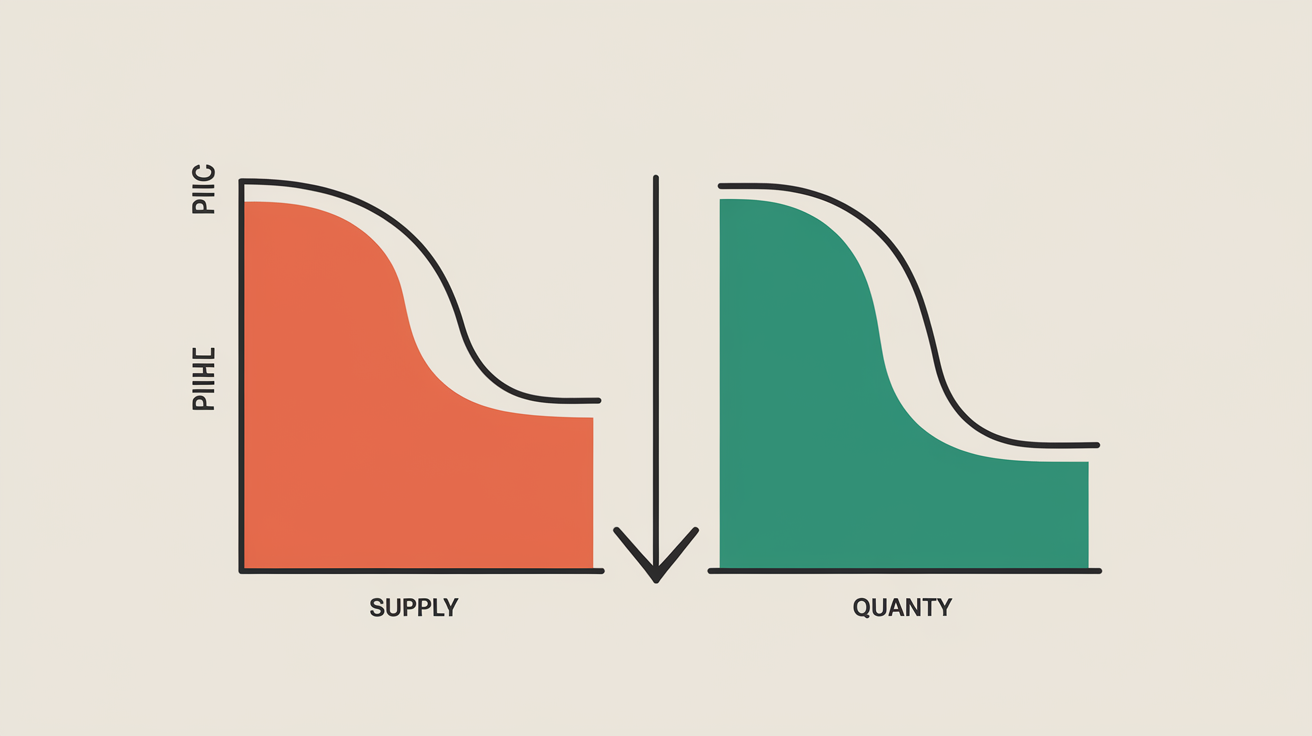
In the short run, some input costs like wages or raw materials are fixed. Firms respond to price changes by adjusting output, so SRAS slopes upward. Higher prices encourage more production.
- Long-Run Aggregate Supply (LRAS):
In the long run, all input prices can adjust. The economy produces at its full potential output, which depends on resources, technology, and institutions. LRAS is vertical, showing output is fixed regardless of price level.
Factors Affecting Aggregate Supply
Several factors can shift aggregate supply curves, changing how much the economy produces at each price level.
- Input Prices:
Changes in wages, raw materials, or energy costs affect production costs and supply.
- Technology:
Improvements increase productivity, shifting supply right.
- Labor Force:
Growth or skills improvements expand production capacity.
- Capital Stock:
More machinery or infrastructure boosts supply.
- Government Policies:
Taxes, regulations, or subsidies can encourage or restrict production.
- Expectations:
If firms expect higher future prices, they may adjust current supply.
Why Aggregate Supply Matters
Aggregate supply helps explain key economic outcomes like inflation, unemployment, and growth.
- Economic Growth:
Increases in LRAS show an economy’s potential to produce more goods and services.
- Inflation:
When demand exceeds supply, prices rise, causing inflation.
- Unemployment:
If supply is below potential, it can signal underused resources and higher unemployment.
- Policy Making:
Governments and central banks use aggregate supply analysis to design policies that stabilize the economy.
How Aggregate Supply Interacts with Aggregate Demand
Aggregate supply works together with aggregate demand (AD), which shows total spending in the economy. Their interaction determines overall price levels and output.
When AD increases, firms produce more if AS allows it. But if AS is fixed in the long run, higher AD mainly causes inflation. Understanding both helps you see why economies sometimes grow and sometimes face inflation or recessions.
Conclusion
Aggregate supply is a fundamental macroeconomic concept that shows how much an economy can produce at different price levels. It comes in short-run and long-run forms, each reflecting different economic conditions.
By knowing what affects aggregate supply and how it interacts with demand, you can better understand economic growth, inflation, and policy impacts. This knowledge helps you make sense of the bigger economic picture.
FAQs about Aggregate Supply
What is the difference between short-run and long-run aggregate supply?
Short-run aggregate supply reflects production when some costs are fixed, so output changes with price. Long-run aggregate supply shows full potential output, fixed regardless of price.
How does technology affect aggregate supply?
Technology improves productivity, allowing more goods and services to be produced at the same cost, shifting aggregate supply to the right.
Why is the long-run aggregate supply curve vertical?
Because in the long run, output depends on resources and technology, not price levels, making LRAS vertical at the economy’s full capacity.
Can government policies influence aggregate supply?
Yes, policies like taxes, subsidies, and regulations can raise or lower production costs, shifting aggregate supply accordingly.
How does aggregate supply relate to inflation?
If aggregate demand grows faster than aggregate supply, prices rise, leading to inflation. Balanced growth helps keep prices stable.