What is New Growth Theory in Economics?
Explore New Growth Theory in economics, its key principles, and how it explains long-term economic growth through innovation and knowledge.
Introduction to New Growth Theory
Understanding how economies grow over time is essential for policymakers and investors alike. New Growth Theory offers fresh insights into the drivers of long-term economic growth beyond traditional factors.
In this article, we’ll explore what New Growth Theory is, how it differs from older models, and why it matters for economic development and investment strategies.
What is New Growth Theory?
New Growth Theory is an economic framework that emphasizes the role of knowledge, innovation, and human capital in driving sustained economic growth. Unlike traditional growth models, it argues that growth is not limited by diminishing returns to capital.
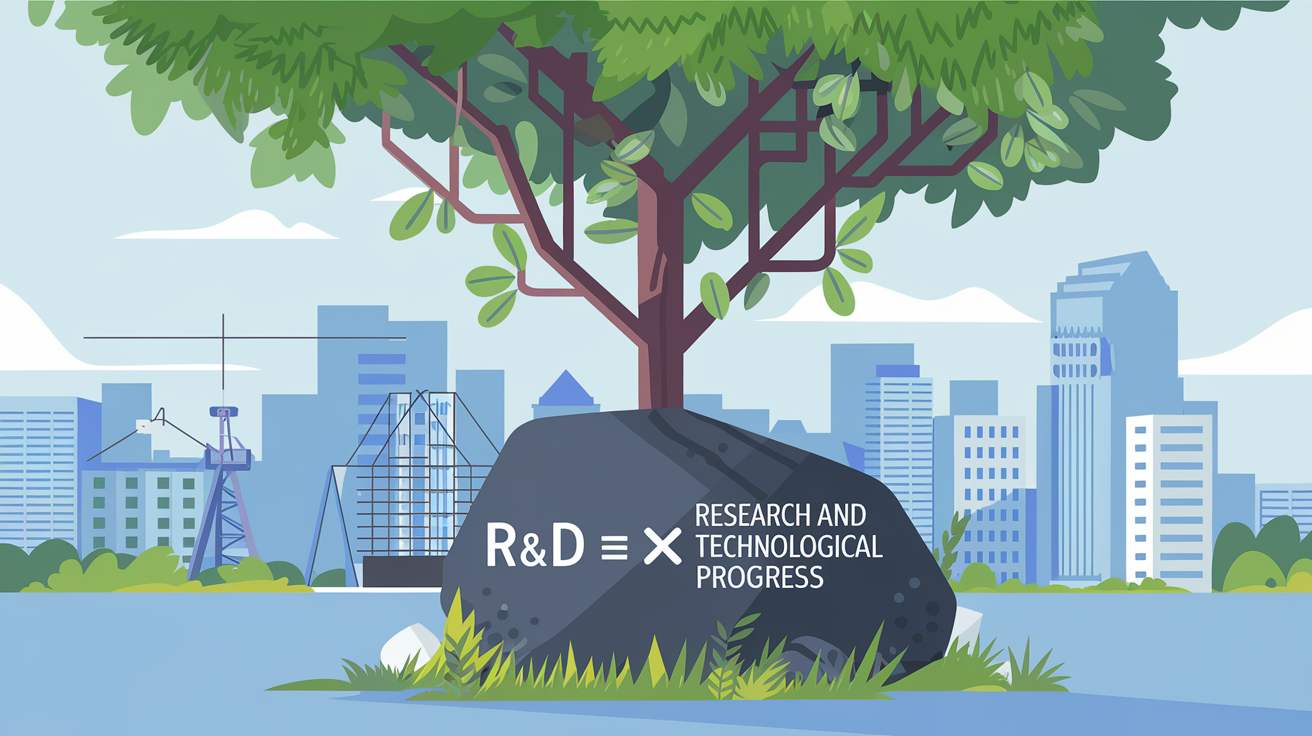
This theory highlights that investments in research and development (R&D), education, and technology can create increasing returns, fueling continuous growth.
Key Features of New Growth Theory
- Endogenous Growth:
Growth originates from within the economy, especially through innovation and knowledge accumulation.
- Role of Technology:
Technological progress is a result of intentional investment, not just external factors.
- Human Capital Importance:
Skills and education enhance productivity and innovation capacity.
- Increasing Returns:
Unlike traditional models, returns on innovation can increase over time.
How Does New Growth Theory Differ from Classical Models?
Classical growth theories, like the Solow-Swan model, focus on capital accumulation and labor as growth drivers. They assume diminishing returns limit growth in the long run.
New Growth Theory challenges this by including knowledge and innovation as internal growth engines, which can lead to sustained growth without the same diminishing returns.
Comparison Highlights
- Source of Growth:
Exogenous (outside economy) vs. Endogenous (inside economy)
- Returns:
Diminishing vs. Increasing returns to scale
- Role of Technology:
External factor vs. Result of economic decisions
Why is New Growth Theory Important?
This theory helps explain why some countries grow faster than others by focusing on innovation and education policies. It also guides governments and businesses on where to invest for long-term growth.
Understanding New Growth Theory can help you make smarter investment decisions by recognizing the value of companies and economies that prioritize innovation.
Practical Implications
- Policy Focus:
Encourages investment in R&D, education, and infrastructure.
- Business Strategy:
Firms investing in innovation can achieve competitive advantages.
- Economic Planning:
Supports sustainable growth through knowledge-based industries.
Examples of New Growth Theory in Action
Countries like South Korea and Singapore have leveraged education and technology to achieve rapid growth. Their focus on innovation aligns with New Growth Theory principles.
Similarly, tech companies investing heavily in R&D often experience increasing returns, validating the theory’s insights.
Case Studies
- South Korea:
Massive investment in education and technology transformed its economy.
- Silicon Valley:
Innovation hubs create spillover effects boosting overall growth.
- European Union:
Policies supporting knowledge economy aim to sustain growth.
Criticisms and Limitations
While New Growth Theory offers valuable insights, it has limitations. Measuring knowledge and innovation impact can be challenging, and not all economies have the same capacity to invest in human capital.
Additionally, some critics argue it may underestimate the role of institutions and external shocks in growth.
Common Critiques
Difficulties in quantifying knowledge and innovation.
Unequal access to education and technology limits applicability.
Potential neglect of political and social factors affecting growth.
Conclusion
New Growth Theory reshapes how we understand economic growth by focusing on innovation, knowledge, and human capital. It explains why some economies grow faster and offers guidance on fostering sustainable development.
By appreciating the theory’s principles, you can better grasp economic trends and make informed decisions about investments and policies that prioritize long-term growth.
Frequently Asked Questions
What is the main idea behind New Growth Theory?
It emphasizes that economic growth is driven by internal factors like innovation, knowledge, and human capital, leading to sustained growth without diminishing returns.
How does New Growth Theory differ from traditional growth models?
Unlike traditional models that see technology as external, New Growth Theory treats technological progress as a result of deliberate investment within the economy.
Why is human capital important in New Growth Theory?
Education and skills improve productivity and innovation, which are key drivers of sustained economic growth according to the theory.
Can New Growth Theory explain differences in growth rates between countries?
Yes, it suggests countries investing more in innovation and education tend to grow faster than those that don’t.
What are some criticisms of New Growth Theory?
Critics point out difficulties in measuring innovation’s impact and argue it may overlook institutional and social factors influencing growth.