What Is L-Shaped Recession in Macroeconomics?
Understand the L-shaped recession in macroeconomics, its causes, impacts, and how it differs from other recession types for better financial insight.
Introduction
When the economy slows down, the shape of its recovery can tell us a lot about the challenges ahead. One such pattern is the L-shaped recession. You might wonder what this means and how it affects your finances or investments.
In this article, we’ll explore the L-shaped recession in macroeconomics, explain its causes, impacts, and how it differs from other recession types. This knowledge will help you better understand economic cycles and prepare for long-term financial decisions.
What Is an L-Shaped Recession?
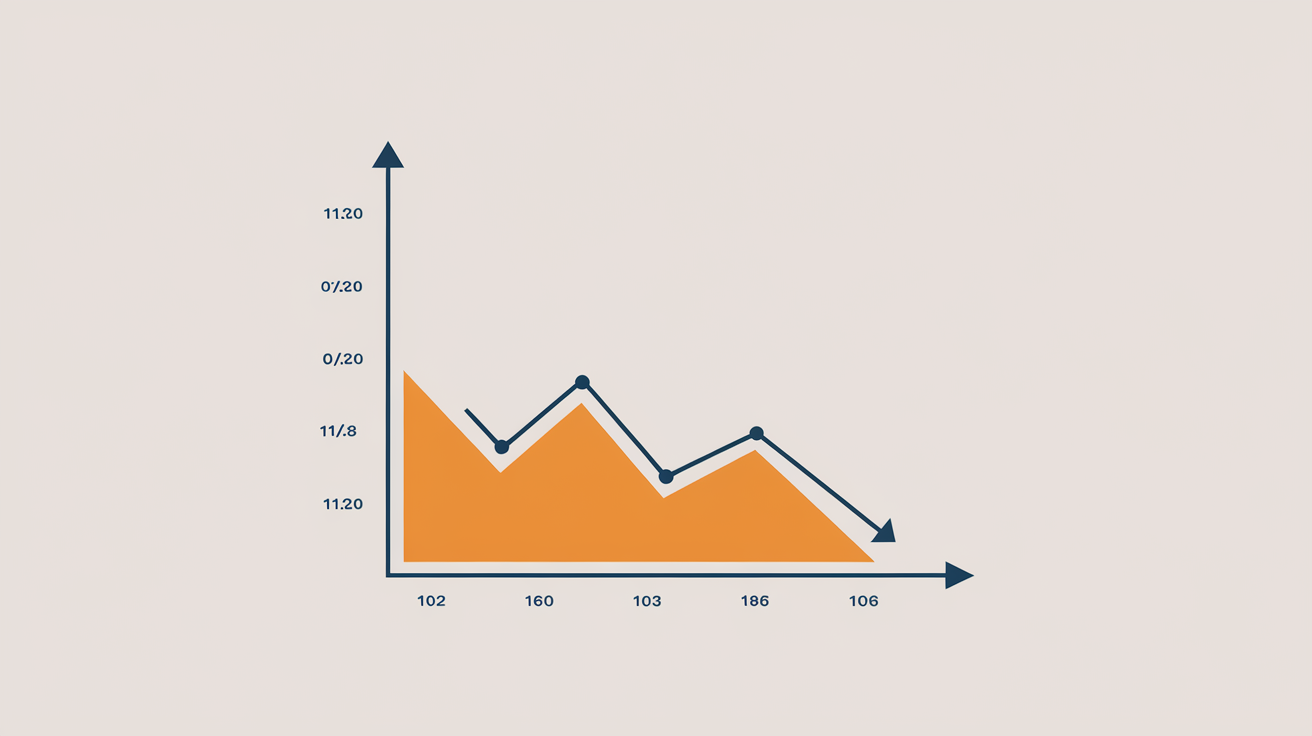
An L-shaped recession is a type of economic downturn where the economy experiences a sharp decline followed by a long period of stagnation or very slow growth. Unlike other recessions, recovery does not happen quickly or smoothly.
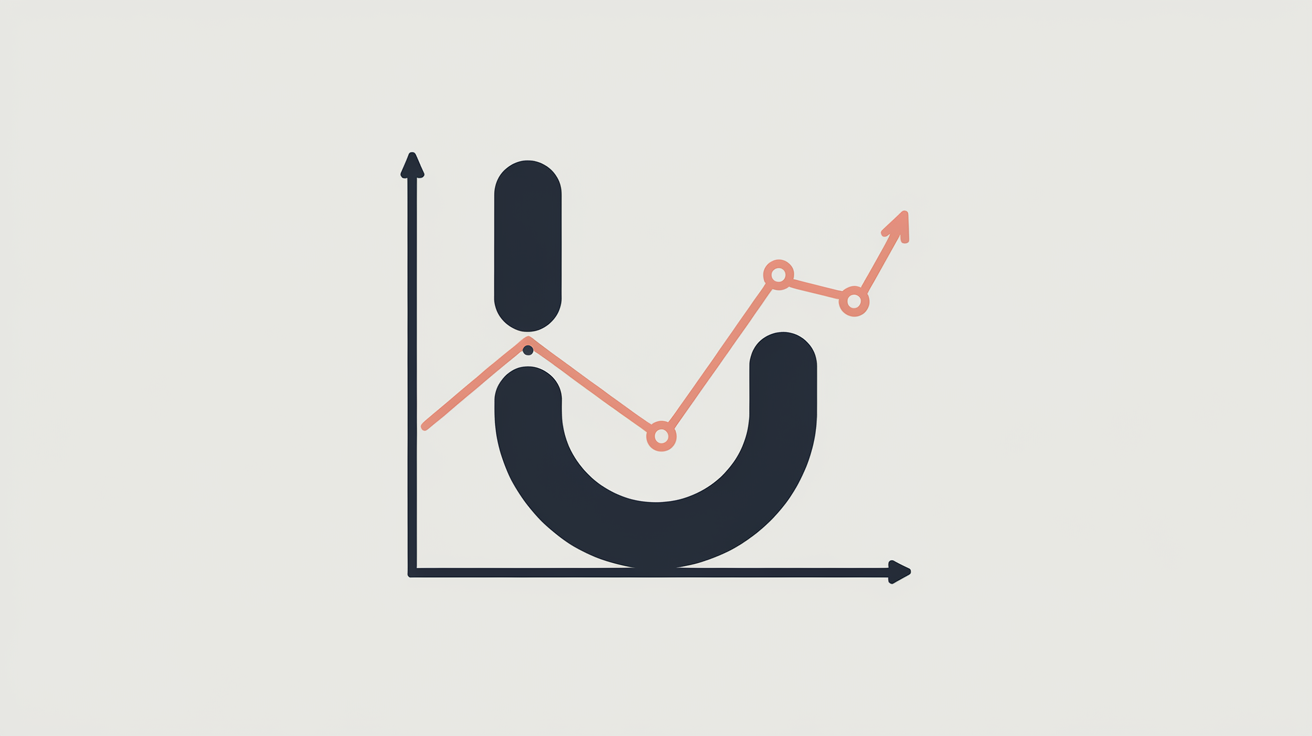
The name “L-shaped” comes from the graph of economic output over time. After a steep drop, the line stays flat, resembling the letter “L.” This means the economy struggles to regain its previous level of activity for years.
Causes of an L-Shaped Recession
Several factors can lead to an L-shaped recession. Understanding these helps you grasp why some recoveries take longer than others.
- Severe Financial Crises:
Banking collapses or credit freezes can halt investment and spending.
- High Debt Levels:
When governments, businesses, or consumers carry too much debt, they cut back on spending to repay loans.
- Structural Economic Problems:
Issues like outdated industries or poor productivity can slow growth.
- Policy Mistakes:
Poor fiscal or monetary policies may fail to stimulate the economy effectively.
- Global Shocks:
Events like pandemics or trade wars can disrupt economic activity for a long time.
How Does an L-Shaped Recession Differ from Other Recession Types?
Economists often describe recessions by the shape of their recovery. Here’s how the L-shaped recession compares to others:
- V-Shaped:
Quick drop followed by a rapid recovery. The economy bounces back fast.
- U-Shaped:
Decline lasts longer, but recovery eventually happens steadily.
- W-Shaped:
Also called a double-dip recession, where the economy falls, recovers briefly, then falls again.
- L-Shaped:
Sharp fall with a prolonged period of no growth, indicating a deep and lasting impact.
Impacts of an L-Shaped Recession
The long stagnation in an L-shaped recession affects many areas of the economy and daily life.
- High Unemployment:
Job losses remain high as businesses avoid hiring.
- Low Consumer Spending:
People save more and spend less due to uncertainty.
- Business Failures:
Many companies may close or delay expansion plans.
- Reduced Investment:
Investors become cautious, slowing economic growth further.
- Government Debt:
Increased spending on welfare and stimulus raises public debt.
Examples of L-Shaped Recessions
History shows some clear examples of L-shaped recessions that help us understand this pattern better.
- Japan’s Lost Decade:
In the 1990s, Japan faced a severe financial crisis followed by over ten years of economic stagnation.
- Great Depression:
The 1930s saw a sharp economic collapse with a very slow recovery, resembling an L-shaped pattern.
How to Prepare for or Respond to an L-Shaped Recession
Knowing about L-shaped recessions can help you make smarter financial choices during tough times.
- Build Emergency Savings:
Have enough cash to cover expenses for several months.
- Diversify Investments:
Spread your money across different assets to reduce risk.
- Focus on Skills:
Improve your abilities to stay employable in a slow job market.
- Manage Debt Wisely:
Avoid taking on unnecessary debt and pay down existing loans.
- Stay Informed:
Follow economic news and adjust your plans as needed.
Conclusion
The L-shaped recession represents one of the toughest economic challenges, marked by a steep decline and a long period of stagnation. Understanding its causes and effects helps you prepare better for uncertain times.
By recognizing this pattern, you can take practical steps to protect your finances and investments. Staying informed and proactive is key to navigating an L-shaped recession successfully.
FAQs
What causes an L-shaped recession?
It is caused by severe financial crises, high debt, structural problems, poor policies, or global shocks that lead to a sharp decline and prolonged stagnation.
How long does an L-shaped recession last?
It can last several years, with the economy remaining flat or growing very slowly after the initial drop.
Is an L-shaped recession worse than a V-shaped one?
Yes, because recovery is much slower and economic damage lasts longer in an L-shaped recession.
Can governments prevent an L-shaped recession?
Effective fiscal and monetary policies can reduce risks, but some deep recessions are hard to avoid completely.
What should I do during an L-shaped recession?
Focus on saving money, managing debt, diversifying investments, and improving job skills to stay resilient.