What is Natural Unemployment in Macroeconomics?
Explore natural unemployment in macroeconomics, its causes, and how it impacts the economy and job market over time.
Introduction
Understanding natural unemployment is key to grasping how economies function over the long term. It represents the level of joblessness that exists even when the economy is healthy and growing. You might wonder why some unemployment always exists and what causes it.
In this article, we'll explore what natural unemployment means, why it happens, and how it affects economic policy and labor markets. This will help you see the bigger picture behind unemployment numbers you hear about in the news.
What is Natural Unemployment?
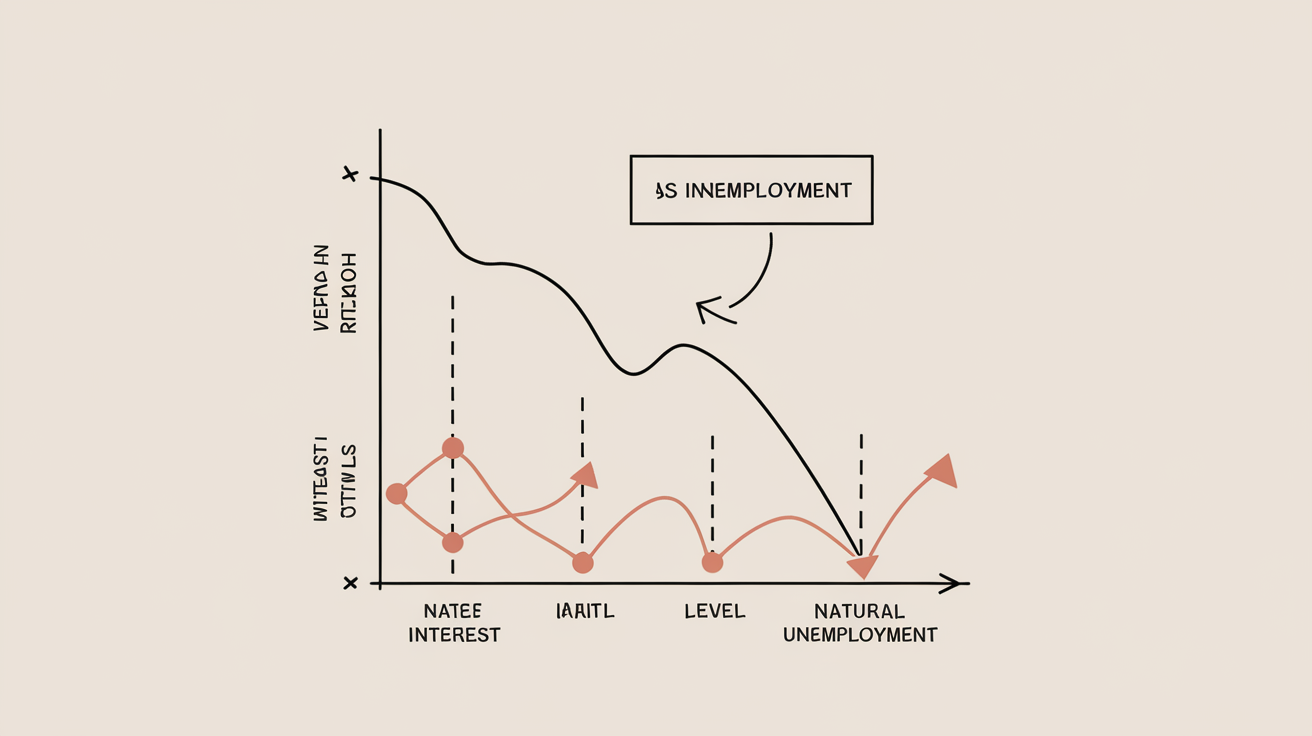
Natural unemployment is the rate of unemployment that occurs when the labor market is in equilibrium. It includes people who are between jobs or just entering the workforce but excludes those unemployed due to economic downturns.
This type of unemployment is considered normal and unavoidable because of how labor markets function. It reflects the ongoing process of workers searching for jobs that best match their skills and preferences.
It is sometimes called the 'non-accelerating inflation rate of unemployment' (NAIRU).
Natural unemployment does not cause inflation to rise or fall.
It usually ranges between 3% and 5% in developed economies.
Causes of Natural Unemployment
Natural unemployment arises mainly from two factors: frictional and structural unemployment. Both reflect normal labor market dynamics rather than economic problems.
Frictional Unemployment
This happens when people are temporarily unemployed while transitioning between jobs. It includes new graduates entering the workforce or workers relocating to new cities.
Job searching takes time, so short-term unemployment is inevitable.
Better job matches improve productivity and satisfaction.
Frictional unemployment is usually short-lived.
Structural Unemployment
Structural unemployment occurs when there is a mismatch between workers’ skills and job requirements. Changes in technology or industry shifts can cause this.
For example, automation may reduce demand for certain manual jobs.
Workers may need retraining or education to find new roles.
Structural unemployment tends to last longer than frictional unemployment.
Why Natural Unemployment Matters
Natural unemployment is important because it sets a baseline for how low unemployment can realistically go without causing inflation. Policymakers use this concept to guide economic decisions.
Trying to reduce unemployment below the natural rate can lead to inflation.
It helps central banks decide when to raise or lower interest rates.
Understanding natural unemployment aids in designing effective job training programs.
How Natural Unemployment Affects the Economy
Natural unemployment influences wage growth, inflation, and overall economic stability. When unemployment is at the natural rate, the economy is considered to be at full employment.
Wages tend to grow steadily without causing price spikes.
Businesses can find workers without excessive competition or shortages.
Inflation remains stable, supporting sustainable growth.
Measuring Natural Unemployment
Measuring natural unemployment is challenging because it is not directly observable. Economists estimate it using models that consider labor market trends, inflation, and economic output.
The Congressional Budget Office and Federal Reserve publish estimates for the U.S.
Estimates vary depending on economic conditions and policies.
Accurate measurement helps in setting realistic economic targets.
Reducing Natural Unemployment
While natural unemployment cannot be eliminated, it can be reduced through policies that improve labor market efficiency and worker skills.
Investing in education and vocational training.
Improving job matching services and career counseling.
Encouraging geographic mobility through housing and transportation support.
Supporting industries adapting to technological changes.
Conclusion
Natural unemployment is a normal part of a healthy economy. It reflects the time workers spend finding suitable jobs and the structural changes in industries. Recognizing this helps you understand why some unemployment always exists and why it isn’t necessarily a sign of economic trouble.
By learning about natural unemployment, you can better appreciate economic policies aimed at balancing job growth and inflation. This knowledge empowers you to interpret labor market data more wisely and make informed financial decisions.
What is the difference between natural and cyclical unemployment?
Natural unemployment is the baseline level due to job transitions and skill mismatches. Cyclical unemployment rises during economic downturns and falls during growth periods.
Can natural unemployment ever be zero?
No, because workers always need time to find new jobs and industries constantly evolve, some level of natural unemployment always exists.
How does technology impact natural unemployment?
Technology can increase structural unemployment by changing job requirements but also creates new job opportunities requiring different skills.
Why is natural unemployment important for inflation?
When unemployment falls below the natural rate, wage pressures can cause inflation to rise, so it helps maintain price stability.
What policies help reduce natural unemployment?
Education, job training, improved job matching, and support for worker mobility are key policies to lower natural unemployment.