What Is Rental Real Estate Loss Allowance?
Understand rental real estate loss allowance, how it works, and how it can reduce your taxable income from rental properties effectively.
Introduction to Rental Real Estate Loss Allowance
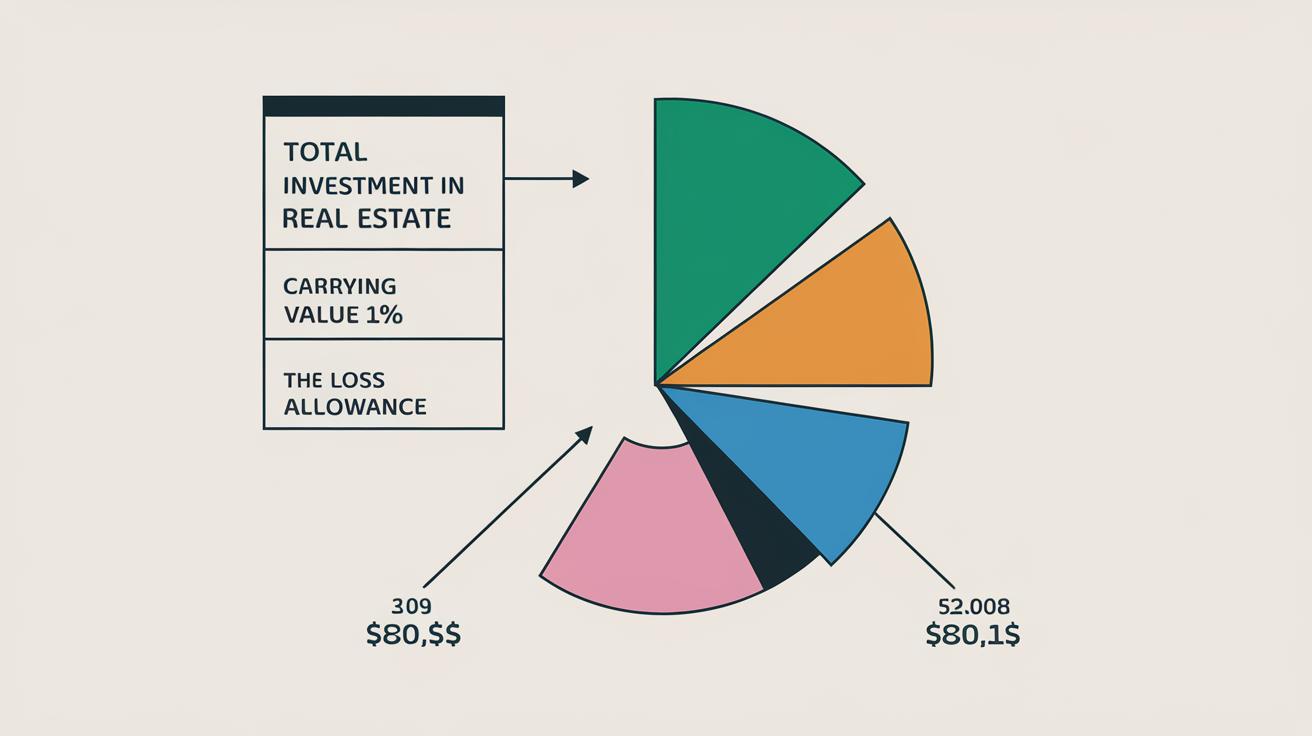
When you invest in rental real estate, you might face situations where your expenses exceed your rental income. This is where rental real estate loss allowance comes into play. It helps you offset some of your taxable income, potentially lowering your tax bill.
In this article, we’ll explore what rental real estate loss allowance means, who qualifies, and how you can use it to your advantage. Understanding this concept can help you manage your rental investments more tax-efficiently.
What Is Rental Real Estate Loss Allowance?
Rental real estate loss allowance refers to the tax benefit that allows landlords to deduct losses from their rental properties against other income. Essentially, if your rental expenses are higher than your rental income, the loss can reduce your overall taxable income, subject to certain limits.
This allowance is part of the IRS rules designed to encourage real estate investment while preventing abuse of tax shelters. It’s important to know the specific criteria and limits that apply.
How Does Rental Real Estate Loss Allowance Work?
When you own a rental property, you report rental income and expenses on your tax return. Expenses include mortgage interest, property taxes, repairs, insurance, and depreciation. If total expenses exceed rental income, you have a rental loss.
The IRS allows you to deduct this loss from your other income, but only up to a certain amount. This is the rental real estate loss allowance, which can reduce your taxable income and lower your tax bill.
Maximum allowance is generally $25,000 per year.
This allowance phases out for higher-income taxpayers.
Losses beyond the allowance may be carried forward to future years.
Who Qualifies for Rental Real Estate Loss Allowance?
Not all landlords can claim this allowance. To qualify, you must meet specific criteria set by the IRS:
- Active Participation:
You must actively participate in managing the property, such as approving tenants or making management decisions.
- Income Limits:
Your modified adjusted gross income (MAGI) must be $100,000 or less to claim the full $25,000 allowance.
- Phase-Out Range:
The allowance phases out between $100,000 and $150,000 MAGI.
- Real Estate Professional Exception:
If you qualify as a real estate professional, different rules apply, potentially allowing unlimited loss deductions.
Active Participation vs. Material Participation
Understanding the difference between active and material participation is crucial. Active participation is a lower standard and easier to meet. It requires you to make management decisions but not necessarily be involved daily.
Material participation requires more involvement and is necessary to avoid passive activity loss rules. Most rental real estate owners meet active participation, allowing them to claim the loss allowance.
Limits and Phase-Out of the Allowance
The rental real estate loss allowance has income limits that reduce the benefit as your income rises:
Full $25,000 allowance if MAGI is $100,000 or less.
Allowance reduces by 50% of income above $100,000.
No allowance if MAGI exceeds $150,000.
For example, if your MAGI is $120,000, your allowance is reduced by $10,000 (50% of $20,000), leaving you with a $15,000 allowance.
What Happens to Losses Beyond the Allowance?
If your rental losses exceed the allowed amount, you cannot deduct the excess in the current year. Instead, these losses are suspended and carried forward to future years.
When you have sufficient income or dispose of the rental property, you can use these suspended losses to offset income or gains. This carryforward helps ensure you eventually benefit from your losses.
Tax Filing and Reporting Rental Losses
To claim rental real estate loss allowance, you must report your rental income and expenses on IRS Schedule E (Form 1040). This form details your rental activity and calculates your net rental income or loss.
Accurate record-keeping of all rental-related expenses is essential. Keep receipts, invoices, and statements to support your deductions in case of an IRS audit.
Strategies to Maximize Rental Real Estate Loss Allowance
Here are some practical tips to optimize your rental real estate loss allowance:
- Ensure Active Participation:
Stay involved in property management decisions to qualify.
- Manage Income Levels:
Consider timing income or deductions to stay within allowance limits.
- Track Expenses Carefully:
Include all eligible expenses like depreciation and repairs.
- Consider Real Estate Professional Status:
If you qualify, you may deduct unlimited losses.
Common Misconceptions About Rental Real Estate Loss Allowance
Many landlords misunderstand how rental losses work. Here are some common myths:
- Myth:
You can deduct unlimited rental losses every year.
Fact:Losses are limited by income and participation rules.
- Myth:
Passive losses can offset any income.
Fact:Passive activity loss rules restrict deductions unless exceptions apply.
- Myth:
Depreciation is not a real expense.
Fact:Depreciation is a legitimate deduction that reduces taxable income.
Conclusion
Rental real estate loss allowance is a valuable tax benefit for landlords who actively manage their properties. It can reduce your taxable income by allowing you to deduct losses up to $25,000, depending on your income and participation.
Understanding the rules and limits helps you plan your rental investments wisely. Keep good records, stay involved, and consider your income levels to make the most of this allowance and improve your overall tax situation.
FAQs
What is the maximum rental real estate loss allowance?
The maximum allowance is $25,000 per year, but it phases out for taxpayers with modified adjusted gross income above $100,000.
Who qualifies as actively participating in rental real estate?
Active participation means you make management decisions like approving tenants or arranging repairs, but you don’t need to be involved daily.
Can I deduct rental losses if I am a high-income earner?
If your income exceeds $150,000, you generally cannot claim the rental real estate loss allowance, but losses can be carried forward.
What is the difference between active and material participation?
Active participation is a lower standard involving management decisions, while material participation requires regular, continuous involvement in the rental activity.
How do I report rental real estate losses on my tax return?
You report rental income and expenses on Schedule E (Form 1040), which calculates your net rental income or loss for tax purposes.