What is Wage-Push Inflation?
Understand wage-push inflation, its causes, effects on the economy, and how it impacts prices and employment in simple terms.
Introduction to Wage-Push Inflation
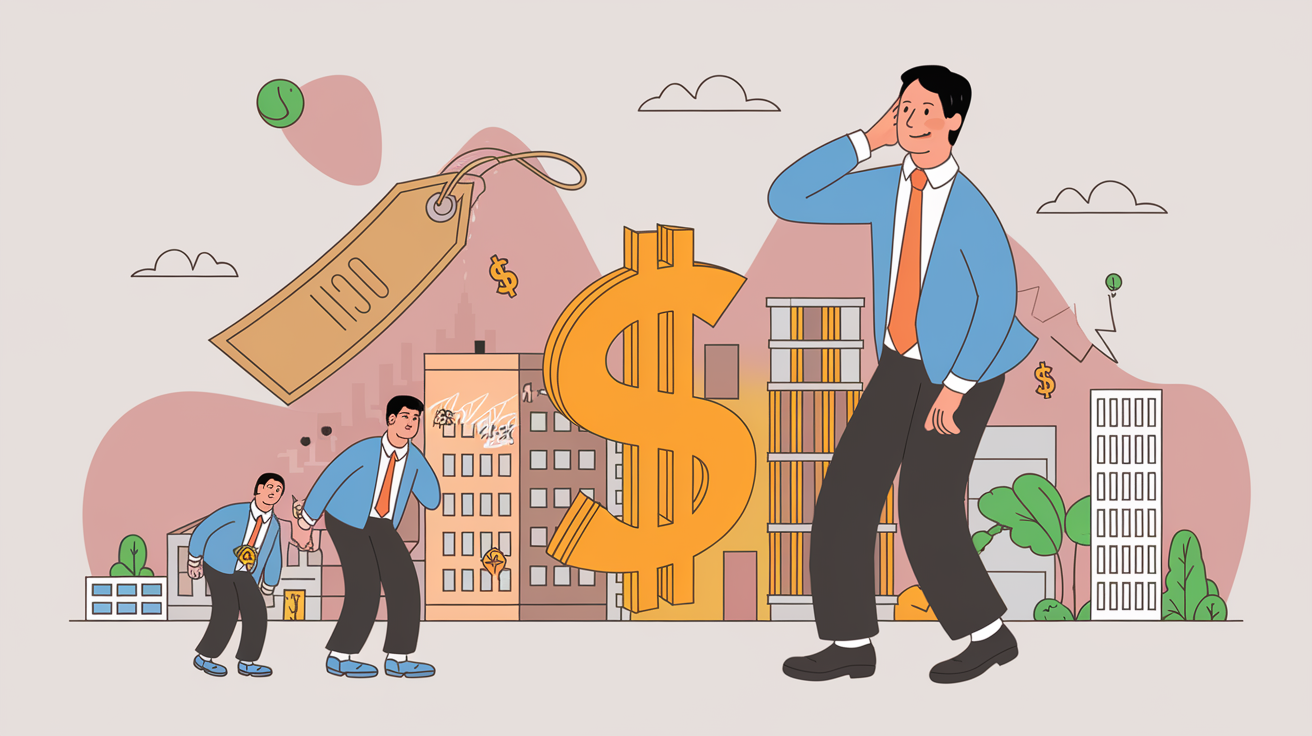
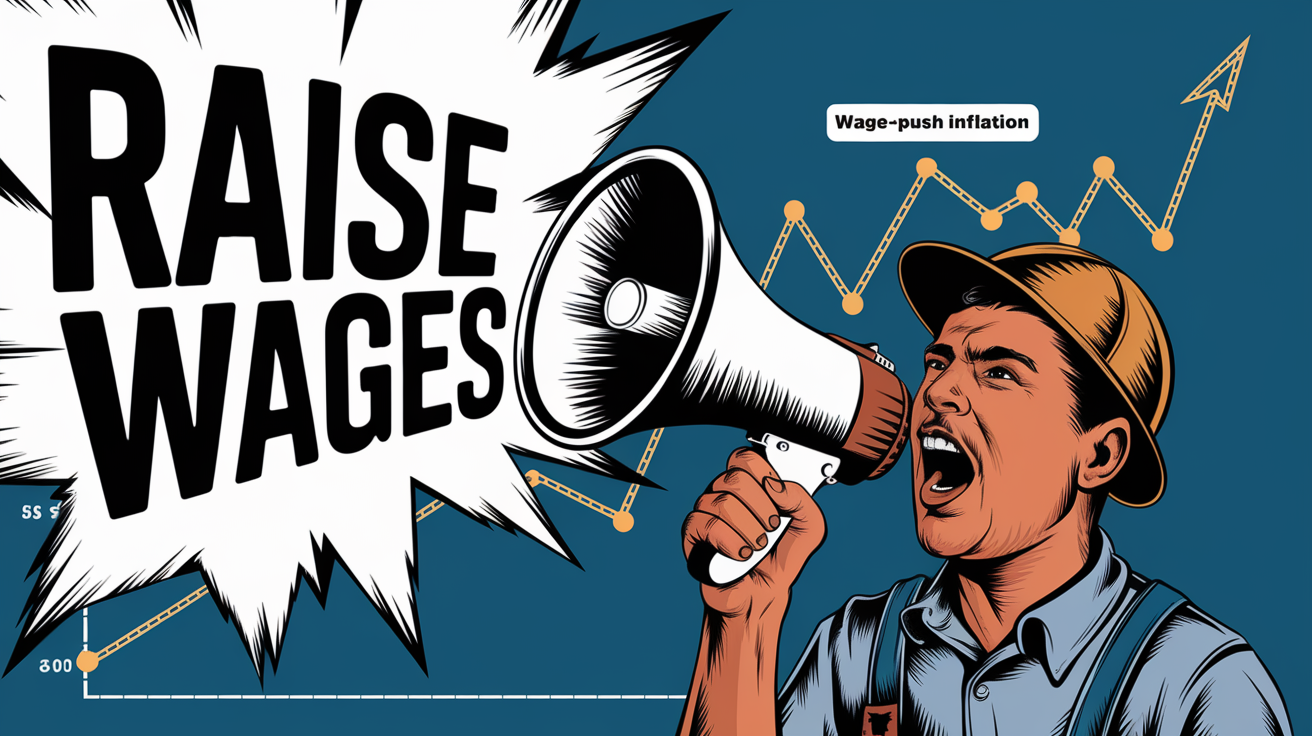
Wage-push inflation happens when rising wages lead to higher costs for businesses, which then raise prices for goods and services. This creates a cycle where wages and prices push each other up.
We will explore how wage-push inflation works, why it happens, and what it means for you and the economy. Understanding this helps you see how labor markets and prices connect.
What Causes Wage-Push Inflation?
Wage-push inflation starts mainly from increases in workers’ pay. When employees demand higher wages, companies face higher expenses. To keep profits, businesses raise prices.
Strong labor unions negotiating better pay
Low unemployment creating competition for workers
Government policies increasing minimum wages
Rising cost of living prompting wage demands
These factors push wages up, which then push prices higher, creating inflation.
How Wage-Push Inflation Works
Here’s the basic cycle:
Workers ask for higher wages to keep up with living costs.
Businesses pay more in salaries, increasing production costs.
To maintain profits, companies raise prices on goods and services.
Higher prices increase living costs, leading workers to demand even higher wages.
This loop can continue, causing inflation to rise steadily.
Difference Between Wage-Push and Demand-Pull Inflation
Wage-push inflation is cost-driven, while demand-pull inflation happens when consumer demand exceeds supply.
- Wage-Push:
Rising wages increase production costs, pushing prices up.
- Demand-Pull:
High demand for goods and services pulls prices higher.
Both cause inflation but originate from different economic pressures.
Effects of Wage-Push Inflation on the Economy
Wage-push inflation impacts various parts of the economy:
- Higher Prices:
Consumers pay more for everyday items.
- Reduced Purchasing Power:
If wages don’t keep up, people can buy less.
- Potential Unemployment:
Businesses may cut jobs to manage higher costs.
- Interest Rate Changes:
Central banks might raise rates to control inflation.
Understanding these effects helps you see the broader economic picture.
How to Manage or Avoid Wage-Push Inflation
Governments and businesses use several strategies to control wage-push inflation:
- Moderate Wage Agreements:
Encouraging fair but sustainable wage increases.
- Improving Productivity:
Higher output can offset wage costs.
- Monetary Policies:
Central banks adjusting interest rates to control inflation.
- Cost Controls:
Businesses managing expenses to avoid price hikes.
These steps can help keep inflation stable without hurting workers.
Examples of Wage-Push Inflation
Historical and recent examples show wage-push inflation in action:
- 1970s Oil Crisis:
Rising wages combined with energy costs led to high inflation globally.
- Minimum Wage Increases:
Sudden hikes in minimum wages sometimes cause local price rises.
- Strong Labor Markets:
When unemployment is very low, wage demands often push inflation up.
These examples highlight how wage pressures influence prices.
Conclusion
Wage-push inflation is a key concept to understand how wages and prices interact in the economy. Rising wages can increase costs for businesses, leading to higher prices and ongoing inflation.
By knowing the causes and effects, you can better grasp economic news and how it might affect your finances. Managing wage-push inflation requires balance between fair wages and stable prices.
What triggers wage-push inflation?
Wage-push inflation is triggered when workers demand higher wages due to factors like low unemployment, strong unions, or rising living costs, increasing business expenses and prices.
How does wage-push inflation affect consumers?
Consumers face higher prices for goods and services, which can reduce their purchasing power if wages don’t rise equally.
Can wage-push inflation lead to unemployment?
Yes, if businesses cannot afford higher wages, they may reduce staff or slow hiring, potentially increasing unemployment.
How do central banks respond to wage-push inflation?
Central banks may raise interest rates to reduce spending and control inflation caused by rising wages and prices.
Is wage-push inflation always bad?
Not always. Moderate wage growth can improve living standards, but if unchecked, it can lead to persistent inflation and economic instability.