What is Indifference Curve in Microeconomics
Explore the concept of indifference curves in microeconomics, their properties, and how they help understand consumer choices and preferences.
Introduction to Indifference Curves
Understanding how consumers make choices is key in microeconomics. One powerful tool to analyze these choices is the indifference curve. It shows combinations of goods that provide the same satisfaction to a consumer.
In this article, we’ll explore what an indifference curve is, its properties, and how it helps explain consumer behavior in simple terms.
What is an Indifference Curve?
An indifference curve represents all the bundles of two goods between which a consumer is indifferent. This means the consumer has no preference for one bundle over another on the same curve because each bundle gives equal utility or satisfaction.
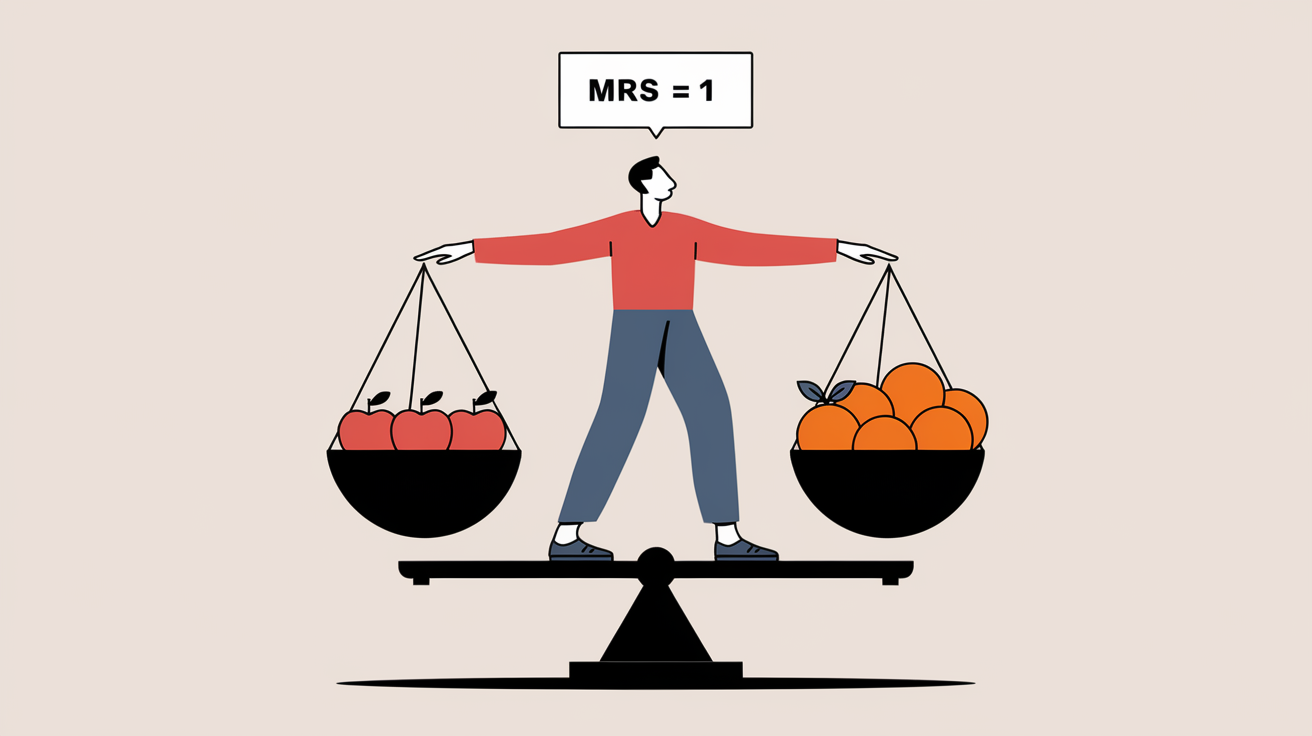
For example, if you like apples and oranges, an indifference curve shows all combinations of apples and oranges that make you equally happy.
Key Properties of Indifference Curves
- Downward Sloping:
Indifference curves slope downwards, reflecting that if you have less of one good, you need more of the other to maintain the same satisfaction.
- Convex to the Origin:
They are usually convex, meaning consumers prefer balanced bundles rather than extremes.
- Non-Intersecting:
Two indifference curves cannot cross each other because it would contradict the idea of consistent preferences.
- Higher Curves Represent Higher Satisfaction:
Curves farther from the origin represent higher utility levels.
How Indifference Curves Explain Consumer Choice
Consumers aim to maximize their satisfaction given their budget constraints. By combining indifference curves with budget lines, we can find the optimal consumption point.
This point is where the budget line touches the highest possible indifference curve, showing the best affordable combination of goods.
It helps explain why consumers substitute one good for another when prices change.
It shows the trade-offs consumers are willing to make.
It illustrates how preferences shape demand.
Examples of Indifference Curves in Real Life
Imagine you enjoy coffee and tea. An indifference curve might show that having 2 cups of coffee and 3 cups of tea gives you the same happiness as 3 cups of coffee and 1 cup of tea.
Businesses use this concept to understand customer preferences and tailor products or pricing strategies accordingly.
Limitations of Indifference Curves
They assume consumers have clear and consistent preferences, which may not always be true.
They simplify choices to two goods, while real decisions often involve many products.
They do not account for changes in preferences over time.
Conclusion
Indifference curves are a fundamental concept in microeconomics that help explain how consumers make choices between different goods. They visualize preferences and trade-offs clearly.
By understanding their properties and applications, you can better grasp consumer behavior and the basics of demand theory.
What is the main purpose of an indifference curve?
It shows combinations of goods that provide equal satisfaction to a consumer, helping analyze preferences and choices.
Why are indifference curves convex?
Because consumers prefer balanced bundles over extremes, reflecting diminishing marginal rates of substitution.
Can two indifference curves intersect?
No, because intersecting curves would imply inconsistent consumer preferences, which contradicts economic theory.
How do indifference curves relate to budget constraints?
The optimal consumption point is where the budget line touches the highest indifference curve, showing the best affordable choice.
What are some limitations of using indifference curves?
They assume consistent preferences, simplify choices to two goods, and do not capture changing tastes over time.