What is Structural Unemployment in Macroeconomics
Understand structural unemployment in macroeconomics, its causes, effects, and how it impacts the economy and job market.
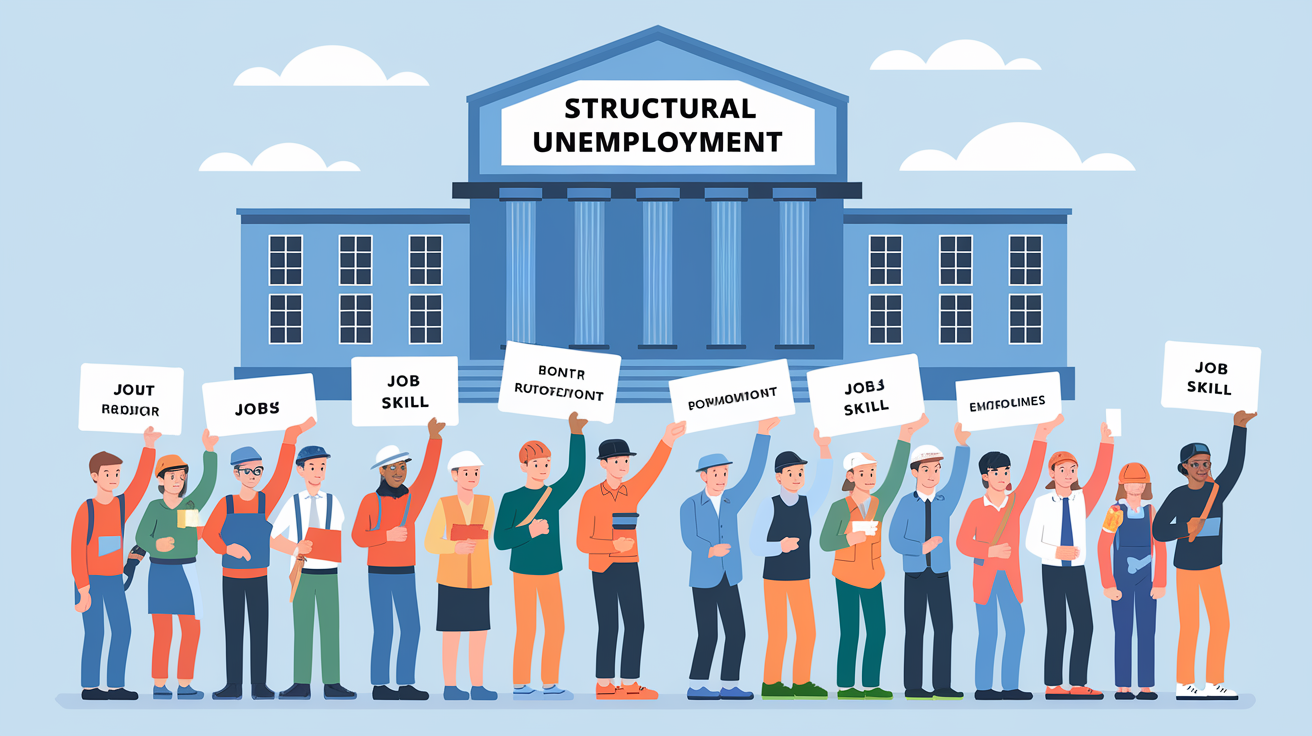
Introduction to Structural Unemployment
Structural unemployment is a key concept in macroeconomics that affects how economies grow and adapt. It happens when there is a mismatch between the skills workers have and the skills employers need. This type of unemployment is different from temporary job losses caused by economic downturns.
Understanding structural unemployment helps you see why some people stay unemployed even when the economy is improving. It also shows why some industries shrink while others grow, shaping long-term job trends.
What Causes Structural Unemployment?
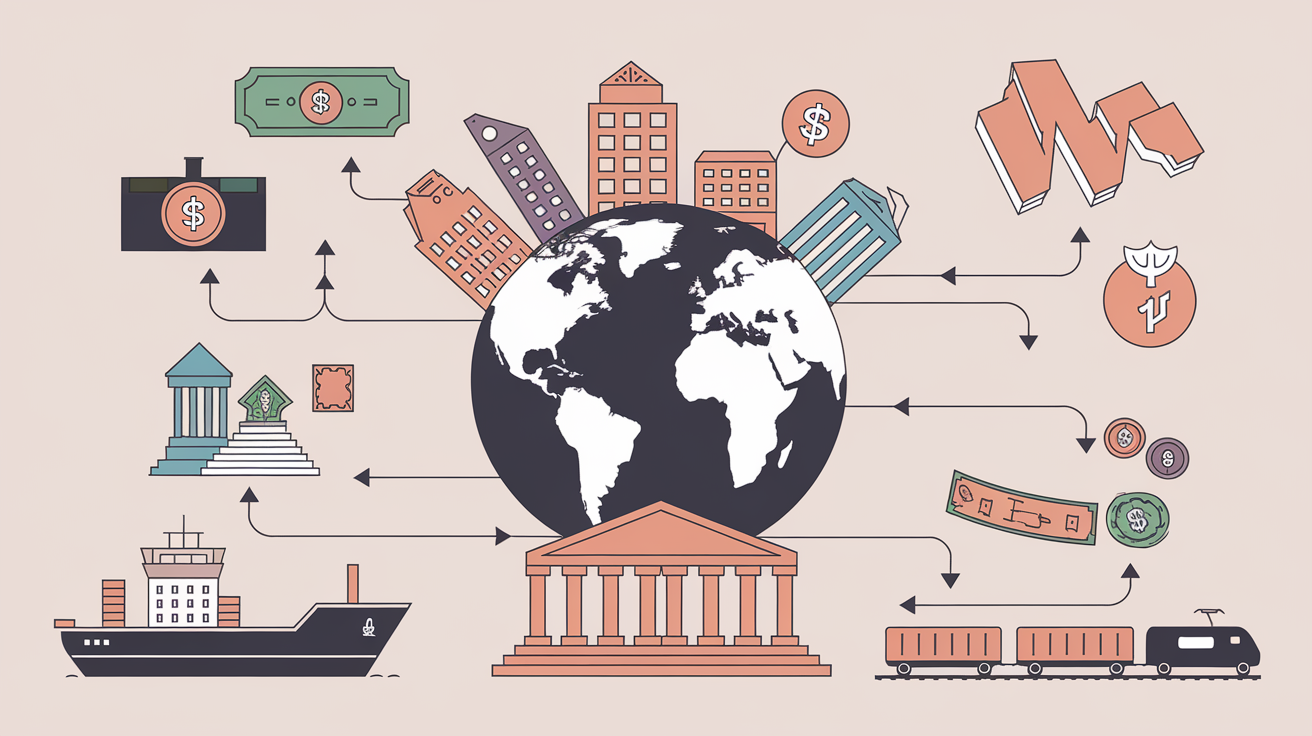
Structural unemployment arises mainly from changes in the economy that affect the demand for certain skills. These changes can be due to technology, globalization, or shifts in consumer preferences.
- Technological Advances:
Automation and new technologies can replace jobs, requiring workers to learn new skills.
- Globalization:
Jobs may move to countries with cheaper labor, reducing demand for certain domestic jobs.
- Industry Changes:
Decline in traditional industries like coal mining or manufacturing can cause long-term job losses.
- Geographical Factors:
Jobs may be available in one region but not in another, making it hard for workers to relocate.
How Structural Unemployment Differs from Other Types
It's important to distinguish structural unemployment from other types like cyclical and frictional unemployment.
- Cyclical Unemployment:
Caused by economic recessions and usually temporary.
- Frictional Unemployment:
Short-term unemployment when people switch jobs or enter the workforce.
- Structural Unemployment:
Long-term and caused by fundamental shifts in the economy.
Structural unemployment tends to last longer because it requires workers to retrain or relocate.
Impact of Structural Unemployment on the Economy
Structural unemployment can slow economic growth and increase inequality. When many workers lack the skills needed for available jobs, productivity suffers.
Higher unemployment rates in certain sectors or regions.
Increased government spending on welfare and retraining programs.
Potential social issues like poverty and reduced consumer spending.
Addressing structural unemployment is crucial for a healthy, adaptable economy.
How to Reduce Structural Unemployment
Governments and businesses can take steps to reduce structural unemployment by helping workers adapt to economic changes.
- Education and Training:
Offering programs to develop new skills aligned with market needs.
- Job Placement Services:
Helping workers find jobs in growing industries.
- Encouraging Mobility:
Supporting relocation or remote work options.
- Investing in Emerging Sectors:
Creating new job opportunities in technology, green energy, and healthcare.
Examples of Structural Unemployment
Several real-world examples illustrate structural unemployment:
The decline of coal mining jobs due to environmental policies and automation.
The shift from manufacturing to service-based economies in many developed countries.
The rise of artificial intelligence replacing routine tasks in administrative roles.
These examples show how economies evolve and why workers must adapt.
Conclusion
Structural unemployment is a long-term challenge in macroeconomics caused by changes in technology, industries, and global markets. It leads to a mismatch between workers' skills and job requirements.
By understanding its causes and effects, you can appreciate why some unemployment persists even in strong economies. Addressing structural unemployment requires education, training, and policies that support workforce adaptation.
What is the main cause of structural unemployment?
Structural unemployment mainly results from shifts in the economy that change the demand for certain skills, such as technological advances or industry decline.
How is structural unemployment different from cyclical unemployment?
Structural unemployment is long-term and caused by skill mismatches, while cyclical unemployment is temporary and linked to economic downturns.
Can structural unemployment be reduced?
Yes, through education, retraining programs, job placement services, and policies encouraging worker mobility and new industry growth.
What industries are most affected by structural unemployment?
Industries like coal mining, manufacturing, and administrative roles are often affected due to automation and economic shifts.
Why does structural unemployment last longer than other types?
It lasts longer because workers need time to gain new skills or relocate to areas with job opportunities, making it harder to quickly reduce.