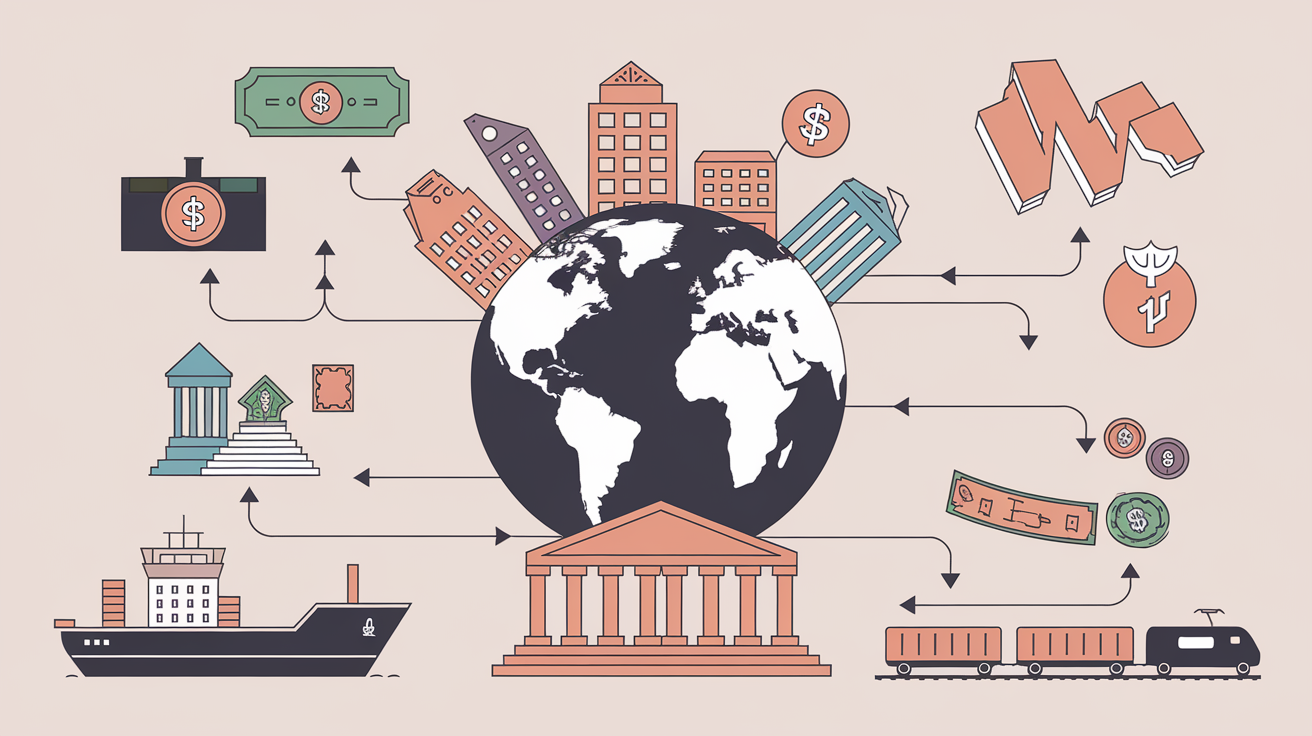
What is Fiscal Policy in Macroeconomics?
Understand fiscal policy in macroeconomics, its tools, effects on the economy, and how governments use it to manage growth and stability.

Introduction to Fiscal Policy
Fiscal policy is a key tool governments use to influence a country’s economy. It involves adjusting spending levels and tax rates to monitor and steer economic growth. Understanding fiscal policy helps you see how governments manage inflation, unemployment, and overall economic health.
In this article, we’ll explore what fiscal policy means in macroeconomics, the main tools involved, and how it impacts everyday life. You’ll learn how these government decisions shape economic stability and growth.
What Is Fiscal Policy?
Fiscal policy refers to government actions related to taxation and public spending. It aims to influence the economy by either stimulating growth or slowing it down. This policy is different from monetary policy, which involves controlling the money supply and interest rates.
Governments use fiscal policy to achieve several goals:
Promote economic growth
Control inflation
Reduce unemployment
Maintain a balanced budget
Main Tools of Fiscal Policy
Fiscal policy relies on two main tools: government spending and taxation. These tools can be adjusted to either expand or contract economic activity.
Government Spending
When the government increases spending, it injects money into the economy. This can create jobs, boost demand for goods and services, and encourage business investment.
Infrastructure projects like roads and schools
Social programs such as healthcare and education
Defense and public safety
Taxation
Adjusting tax rates affects how much money consumers and businesses have to spend. Lower taxes increase disposable income, encouraging spending and investment. Higher taxes can reduce inflation by limiting spending.
Income tax changes
Corporate tax adjustments
Sales and excise taxes
Types of Fiscal Policy
Fiscal policy can be categorized mainly into two types: expansionary and contractionary.
Expansionary Fiscal Policy
This policy aims to stimulate the economy during a slowdown or recession. It involves increasing government spending, cutting taxes, or both. The goal is to boost demand and reduce unemployment.
Increased public works projects
Tax rebates or cuts for individuals and businesses
Higher social welfare payments
Contractionary Fiscal Policy
Used to cool down an overheated economy, contractionary policy reduces spending or raises taxes. This helps control inflation and prevent economic bubbles.
Cutbacks in government programs
Tax increases on income or sales
Reducing budget deficits
How Fiscal Policy Affects the Economy
Fiscal policy decisions have wide-reaching effects on economic growth, inflation, and employment.
- Economic Growth:
Increased government spending can create jobs and boost demand, leading to higher GDP.
- Inflation Control:
Reducing spending or raising taxes can lower inflation by decreasing demand.
- Employment:
Expansionary policies often reduce unemployment by encouraging businesses to hire more workers.
- Public Debt:
Running large deficits through spending can increase national debt, affecting future fiscal options.
Fiscal Policy vs. Monetary Policy
While fiscal policy deals with government budgets, monetary policy is managed by central banks and focuses on money supply and interest rates. Both aim to stabilize the economy but use different tools.
- Fiscal Policy:
Changes in taxes and government spending.
- Monetary Policy:
Adjusting interest rates and controlling money supply.
Both policies often work together to achieve economic goals.
Challenges in Implementing Fiscal Policy
Fiscal policy is powerful but comes with challenges:
- Time Lags:
It takes time to implement changes and see their effects.
- Political Constraints:
Budget decisions can be influenced by politics rather than economic needs.
- Debt Concerns:
Excessive spending can lead to unsustainable debt levels.
- Unintended Consequences:
Policies might not always have the expected impact on the economy.
Examples of Fiscal Policy in Action
Governments worldwide use fiscal policy to respond to economic conditions.
- Stimulus Packages:
During recessions, governments increase spending and cut taxes to revive growth.
- Austerity Measures:
To reduce debt, some governments cut spending and raise taxes.
- Tax Incentives:
Encouraging investment in certain sectors through tax breaks.
Conclusion
Fiscal policy plays a vital role in shaping economic outcomes. By adjusting government spending and taxation, policymakers can influence growth, inflation, and employment. Understanding these tools helps you grasp how economic decisions affect your daily life.
While fiscal policy has its challenges, it remains essential for managing the economy’s ups and downs. Staying informed about fiscal changes empowers you to make smarter financial choices and anticipate economic trends.
What is the main goal of fiscal policy?
The main goal is to influence economic growth, control inflation, and reduce unemployment through government spending and taxation.
How does expansionary fiscal policy work?
It increases government spending or cuts taxes to boost demand and stimulate economic growth during slowdowns.
What is the difference between fiscal and monetary policy?
Fiscal policy involves government budgets, while monetary policy controls money supply and interest rates via central banks.
Why can fiscal policy lead to increased public debt?
When governments spend more than they earn, they run deficits that add to national debt over time.
What challenges affect the effectiveness of fiscal policy?
Time lags, political influences, debt concerns, and unexpected economic reactions can limit fiscal policy’s impact.