What is Pareto Analysis In Economics
Explore Pareto Analysis in economics, its principles, applications, and how it helps prioritize resources for better financial decisions.
Introduction to Pareto Analysis in Economics
Understanding how to allocate resources efficiently is critical in economics. Pareto Analysis is a powerful tool that helps you identify the most impactful factors in any economic scenario.
In this article, we’ll explore what Pareto Analysis is, how it works, and why it’s so useful for making smarter economic and financial decisions.
What is Pareto Analysis?
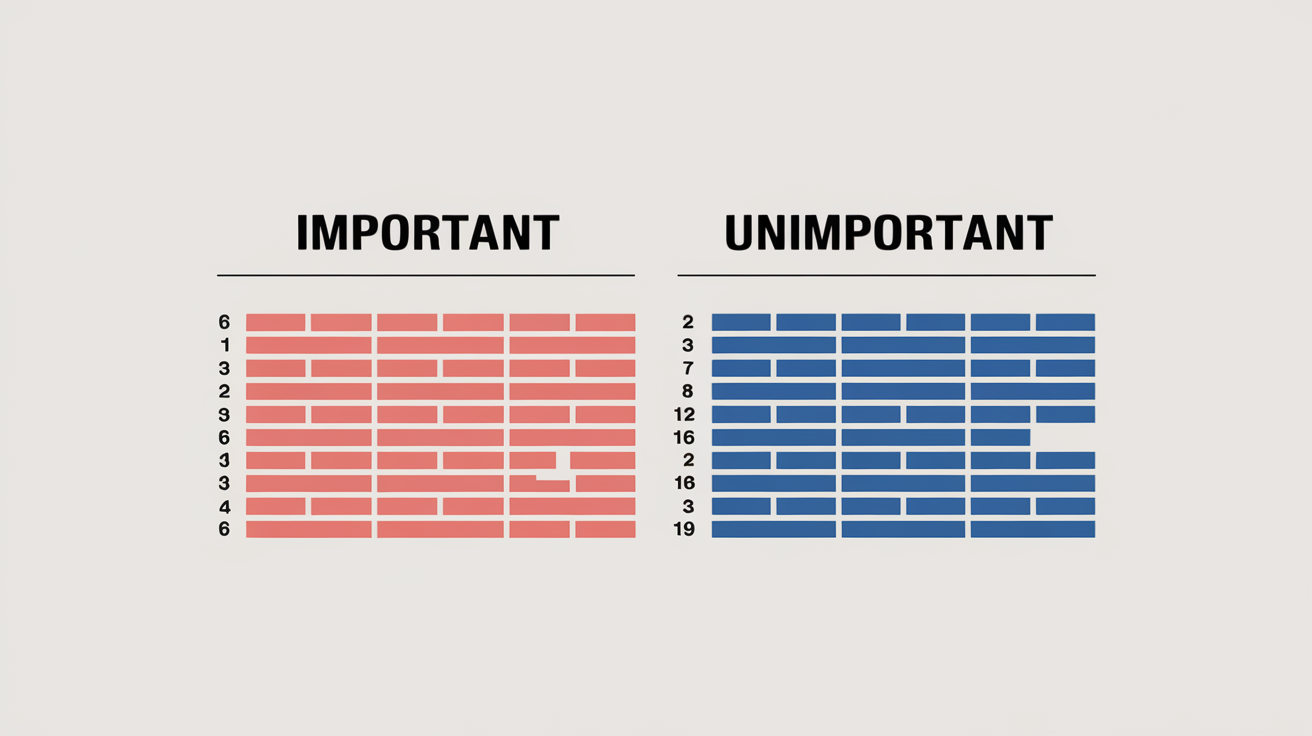
Pareto Analysis is a decision-making technique based on the Pareto Principle, also known as the 80/20 rule. It suggests that roughly 80% of effects come from 20% of causes.
In economics, this means a small number of factors often produce the majority of results. By focusing on these key factors, you can optimize outcomes efficiently.
Identifies vital few causes that generate most results
Helps prioritize resources and efforts
Supports better decision-making in economic planning
The Origin of Pareto Analysis
The concept was introduced by Italian economist Vilfredo Pareto in the early 20th century. He observed that 80% of Italy’s land was owned by 20% of the population.
This observation extended beyond wealth distribution to many economic and business phenomena, forming the basis of Pareto Analysis.
Vilfredo Pareto’s study on wealth distribution
Foundation of the 80/20 rule in economics
Widely applied in various economic and business fields
How Pareto Analysis Works in Economics
Pareto Analysis involves identifying and ranking causes or factors by their impact. You then focus on the top contributors that drive the majority of outcomes.
This process helps you allocate resources where they matter most, improving efficiency and effectiveness.
Collect data on economic factors or problems
Rank factors by their impact or frequency
Focus on the top 20% causing 80% of the effect
Applications of Pareto Analysis in Economics
Pareto Analysis is versatile and used in many economic contexts to improve decision-making and resource allocation.
- Business Profitability:
Identifying products or customers that generate most revenue.
- Cost Reduction:
Targeting major cost drivers to reduce expenses.
- Policy Making:
Focusing on key economic issues that affect the majority.
- Market Analysis:
Understanding which market segments contribute most to sales.
Benefits of Using Pareto Analysis
Applying Pareto Analysis in economics offers several advantages that help you make smarter choices.
- Efficiency:
Concentrate efforts on the most impactful areas.
- Clarity:
Simplifies complex data into actionable insights.
- Resource Optimization:
Saves time and money by avoiding less important factors.
- Improved Decision-Making:
Supports strategic planning with clear priorities.
Limitations of Pareto Analysis
While useful, Pareto Analysis has some limitations you should consider.
- Simplification:
It may overlook important but less obvious factors.
- Data Dependence:
Requires accurate and relevant data to be effective.
- Static View:
Assumes relationships remain constant, which may not always hold true.
Steps to Perform Pareto Analysis
Here’s a simple step-by-step guide to apply Pareto Analysis in your economic decisions.
Identify the problem or goal you want to analyze.
Collect data on causes or factors related to the problem.
Calculate the impact or frequency of each factor.
Sort factors from highest to lowest impact.
Calculate cumulative percentages to find the vital few.
Focus on addressing the top 20% of factors for maximum effect.
Real-World Example of Pareto Analysis in Economics
Imagine a company wants to increase profits. Using Pareto Analysis, they find that 20% of their products generate 80% of revenue.
By focusing marketing and development on these products, the company can boost profits more effectively than spreading resources evenly.
Analyzed sales data by product
Identified top-selling products contributing most revenue
Prioritized investment in these products for growth
Conclusion
Pareto Analysis is a valuable economic tool that helps you focus on what truly matters. By identifying the few key factors that drive most results, you can make smarter, more efficient decisions.
Whether you’re managing a business, planning policies, or analyzing markets, understanding and applying Pareto Analysis can improve your financial outcomes and resource management.
FAQs
What is the main idea behind Pareto Analysis?
It’s based on the 80/20 rule, where roughly 80% of effects come from 20% of causes, helping prioritize key factors for better results.
How is Pareto Analysis useful in economics?
It helps identify the most impactful economic factors, enabling efficient resource allocation and improved decision-making.
Can Pareto Analysis be applied outside economics?
Yes, it’s widely used in business, quality control, healthcare, and many other fields to focus on critical issues.
What data is needed for Pareto Analysis?
You need accurate data on the frequency or impact of causes related to the problem you’re analyzing.
Are there any drawbacks to Pareto Analysis?
It may oversimplify complex issues and relies heavily on good data, so it should be used alongside other tools.