What Are Recession-Resistant Industries?
Explore recession-resistant industries that thrive during economic downturns, helping you invest wisely and protect your finances.
Introduction
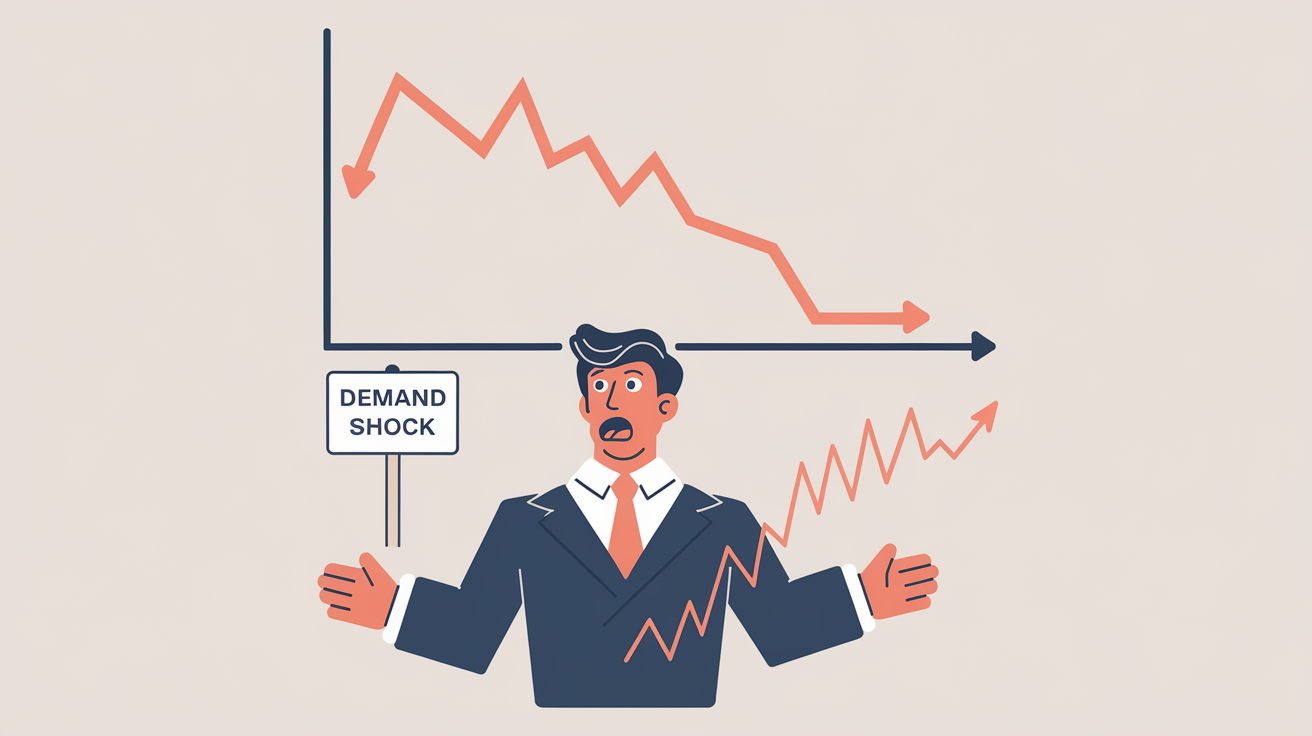
When the economy slows down, many businesses struggle, but some industries continue to perform well. These are called recession-resistant industries. Understanding them can help you make smarter investment and career choices.
In this article, we’ll explore what recession-resistant industries are, why they matter, and which sectors tend to stay strong during tough economic times.
What Does Recession-Resistant Mean?
A recession-resistant industry is one that maintains stable demand even when the economy contracts. People still need certain goods and services regardless of economic conditions.
These industries often provide essentials or affordable alternatives, making them less vulnerable to spending cuts.
They have steady cash flow during downturns.
They often offer products or services that are necessities.
They tend to have loyal customer bases.
Why Are Recession-Resistant Industries Important?
Investing or working in recession-resistant industries can protect your finances when the economy weakens. These sectors often recover faster and provide more stability.
For investors, they offer safer options during market volatility. For employees, they offer better job security.
Help preserve capital during downturns.
Provide consistent income streams.
Reduce risk in your investment portfolio.
Top Recession-Resistant Industries
Here are some industries that typically perform well during recessions:
1. Healthcare
People need medical care regardless of the economy. Hospitals, pharmaceutical companies, and medical device manufacturers usually see steady demand.
Essential services like emergency care and prescriptions.
Growing demand due to aging populations.
Stable government and insurance funding.
2. Consumer Staples
These include everyday products like food, beverages, and household items. People continue buying basics even when cutting back on luxury spending.
Groceries, cleaning supplies, and personal care products.
Strong brand loyalty and repeat purchases.
Often sold through discount retailers.
3. Utilities
Electricity, water, and gas are essential services. Utility companies have regulated pricing and steady demand, making them reliable during recessions.
Consistent monthly bills regardless of economic conditions.
Often pay steady dividends to investors.
Low competition due to infrastructure needs.
4. Discount Retailers
Stores offering lower prices attract budget-conscious shoppers during recessions. Discount chains often see increased sales as consumers seek bargains.
Examples include dollar stores and warehouse clubs.
Wide product selection at affordable prices.
Benefit from shifts in consumer spending habits.
5. Repair and Maintenance Services
When people delay buying new items, they often repair existing ones. Auto repair, home maintenance, and appliance fixes remain in demand.
Cost-effective alternatives to replacement.
Steady demand from homeowners and vehicle owners.
Often local businesses with loyal customers.
How to Invest in Recession-Resistant Industries
Investing in these industries can reduce portfolio risk. Here are some tips:
Look for companies with strong balance sheets and consistent earnings.
Consider exchange-traded funds (ETFs) focused on defensive sectors.
Diversify across multiple recession-resistant industries.
Focus on dividend-paying stocks for steady income.
Limitations of Recession-Resistant Industries
No industry is completely immune to recessions. Even recession-resistant sectors can face challenges like regulatory changes or supply chain issues.
Also, these industries may offer slower growth during boom times compared to cyclical sectors.
Lower growth potential in strong economies.
Possible regulatory or political risks.
Market competition can still impact profits.
Conclusion
Recession-resistant industries provide stability when the economy falters. By focusing on essentials like healthcare, consumer staples, and utilities, you can protect your investments and career.
Understanding these sectors helps you prepare for economic uncertainty and make smarter financial decisions that last through cycles.
FAQs
What makes an industry recession-resistant?
It provides essential goods or services with steady demand, even when consumers cut back on spending.
Can recession-resistant industries still lose money?
Yes, no industry is completely safe. External factors can affect performance, but these industries tend to be more stable.
Are tech companies recession-resistant?
Most tech companies are cyclical, but some providing essential software or services may show resilience.
How can I invest in recession-resistant sectors?
You can buy stocks of companies in these industries or invest in sector-specific ETFs for diversification.
Do recession-resistant industries pay dividends?
Many do, especially utilities and consumer staples, offering steady income during downturns.