What is Per Capita GDP? Explained Simply
Understand what Per Capita GDP means, how it's calculated, and why it matters for comparing economic well-being across countries.
Introduction
Your financial knowledge grows stronger when you understand key economic terms like Per Capita GDP. This measure helps you compare the average economic output per person in different countries.
We’ll explore what Per Capita GDP means, how it’s calculated, and why it’s important for assessing economic health and living standards worldwide.
What is GDP?
GDP stands for Gross Domestic Product. It measures the total value of all goods and services produced within a country over a specific period, usually a year.
GDP reflects the size of an economy but doesn’t tell you how wealth is shared among people or the average income per person.
Defining Per Capita GDP
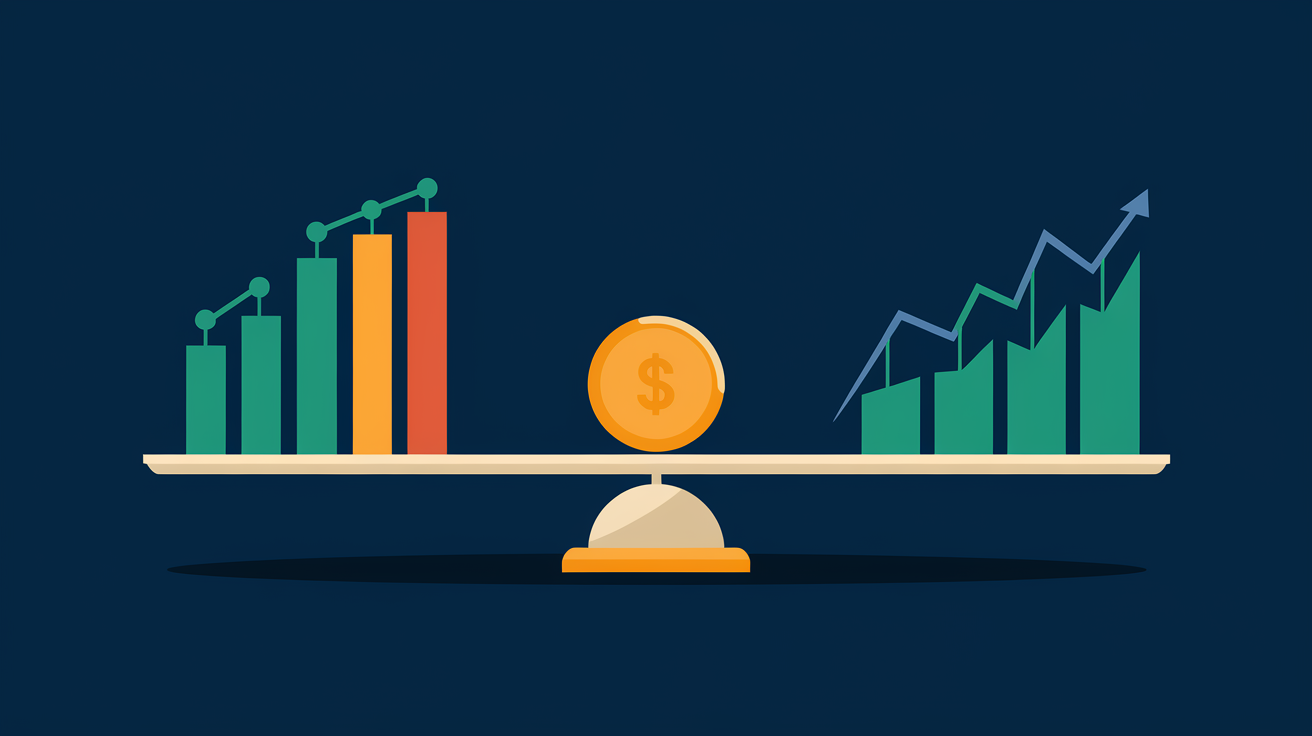
Per Capita GDP divides the total GDP by the country’s population. It shows the average economic output per person.
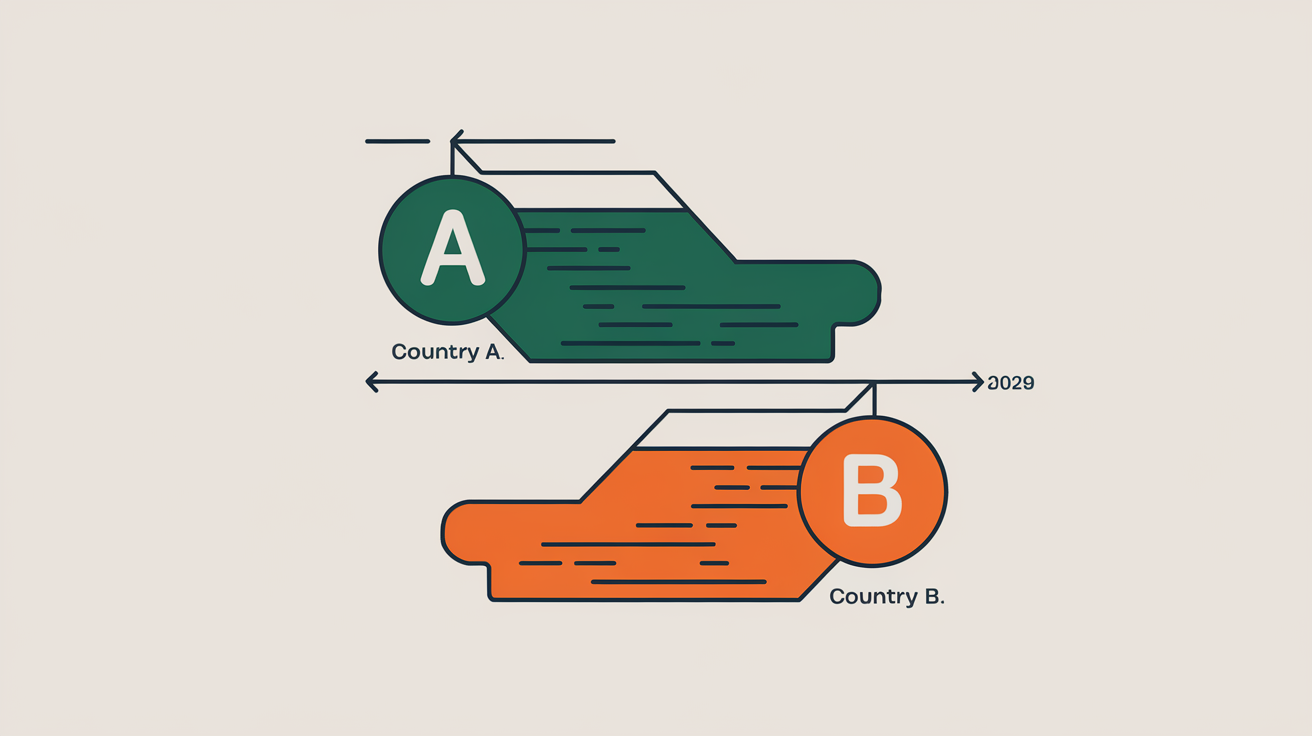
It’s a useful way to compare economic performance between countries of different sizes.
Higher Per Capita GDP often suggests better living standards, but it doesn’t capture income inequality.
It helps investors and policymakers understand economic well-being on a per-person basis.
How is Per Capita GDP Calculated?
The formula is simple:
Per Capita GDP = Total GDP ÷ Population
For example, if a country has a GDP of $1 trillion and a population of 50 million, its Per Capita GDP is $20,000.
GDP figures are usually reported in local currency or converted to US dollars for comparison.
Population data comes from census or official estimates.
Calculations are updated annually to reflect economic changes.
Why Per Capita GDP Matters
Per Capita GDP helps you understand economic prosperity beyond total GDP size.
It indicates average income and potential purchasing power of individuals.
Used to compare living standards between countries or regions.
Guides government policy on economic growth and social welfare.
Helps investors assess market potential and consumer demand.
Limitations of Per Capita GDP
While useful, Per Capita GDP has some drawbacks:
It doesn’t show income distribution or inequality.
Ignores non-market activities like household work or informal economy.
Does not measure quality of life factors like health, education, or environment.
Can be skewed by very high incomes of a few individuals.
Per Capita GDP vs. Other Economic Indicators
It’s important to consider Per Capita GDP alongside other metrics:
- Median Income:
Shows the middle income, better reflecting typical earnings.
- Human Development Index (HDI):
Combines income, education, and health data.
- Gini Coefficient:
Measures income inequality within a country.
Examples of Per Capita GDP Around the World
Comparing countries helps you see how Per Capita GDP varies:
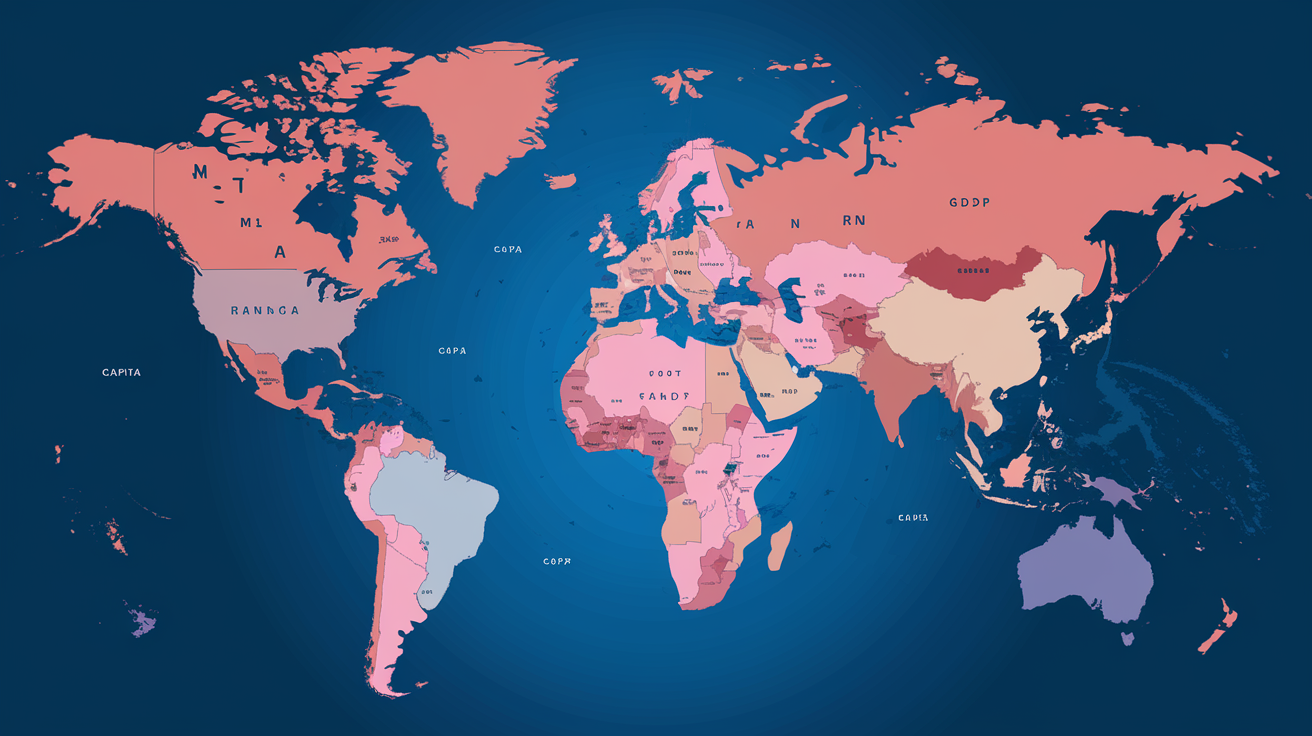
Luxembourg often ranks highest, with Per Capita GDP over $120,000 due to its financial sector.
United States has a Per Capita GDP around $75,000, reflecting a large and diverse economy.
India’s Per Capita GDP is about $2,500, showing rapid growth but still lower average income.
How to Use Per Capita GDP in Financial Decisions
Understanding Per Capita GDP can guide your investment and business choices:
Identify emerging markets with growing Per Capita GDP for potential growth.
Assess consumer purchasing power in different regions.
Evaluate economic stability and development trends.
Conclusion
Per Capita GDP is a key economic indicator that helps you understand average economic output per person. It’s valuable for comparing countries and assessing living standards.
While it has limitations, combining it with other data gives a fuller picture of economic health. Knowing this helps you make smarter financial and investment decisions.
What is the difference between GDP and Per Capita GDP?
GDP measures total economic output of a country, while Per Capita GDP divides that output by the population to show average output per person.
Does a higher Per Capita GDP mean everyone is wealthy?
No, a higher Per Capita GDP indicates average wealth but doesn’t reflect income inequality or wealth distribution.
Can Per Capita GDP be used to compare living standards?
Yes, it offers a rough comparison of economic well-being but should be used with other indicators for a complete view.
How often is Per Capita GDP updated?
Per Capita GDP is typically updated annually based on the latest GDP and population data.
Why might Per Capita GDP be misleading?
It can be misleading if income is unevenly distributed or if non-economic factors affecting quality of life are ignored.