What Is a Mixed Economic System?
Explore what a mixed economic system is, its features, benefits, and how it balances government and private sector roles effectively.
Introduction
You might have heard about different economic systems like capitalism or socialism, but what exactly is a mixed economic system? It’s a blend of both, combining private enterprise with government control. This system aims to balance the benefits of free markets with the need for government intervention.
In this article, we’ll explore how mixed economies work, their key features, and why many countries choose this approach to manage their resources and growth. Understanding this can help you see how economies function in real life.
What Is a Mixed Economic System?
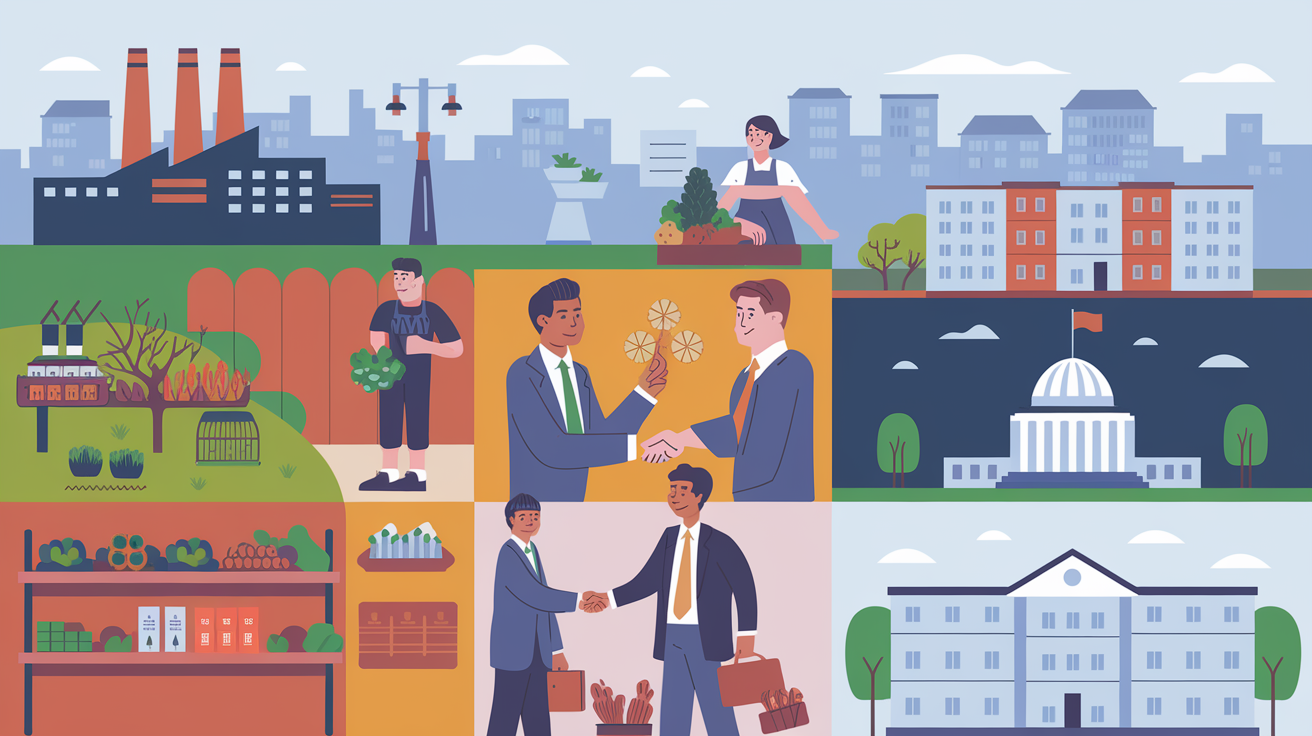
A mixed economic system is an economic structure that incorporates elements of both capitalism and socialism. It allows private businesses to operate freely while the government regulates or controls certain sectors to protect public interest.
This system is designed to harness the advantages of a free market, such as innovation and efficiency, while addressing market failures through government intervention.
Key Characteristics of a Mixed Economy
- Coexistence of Public and Private Sectors:
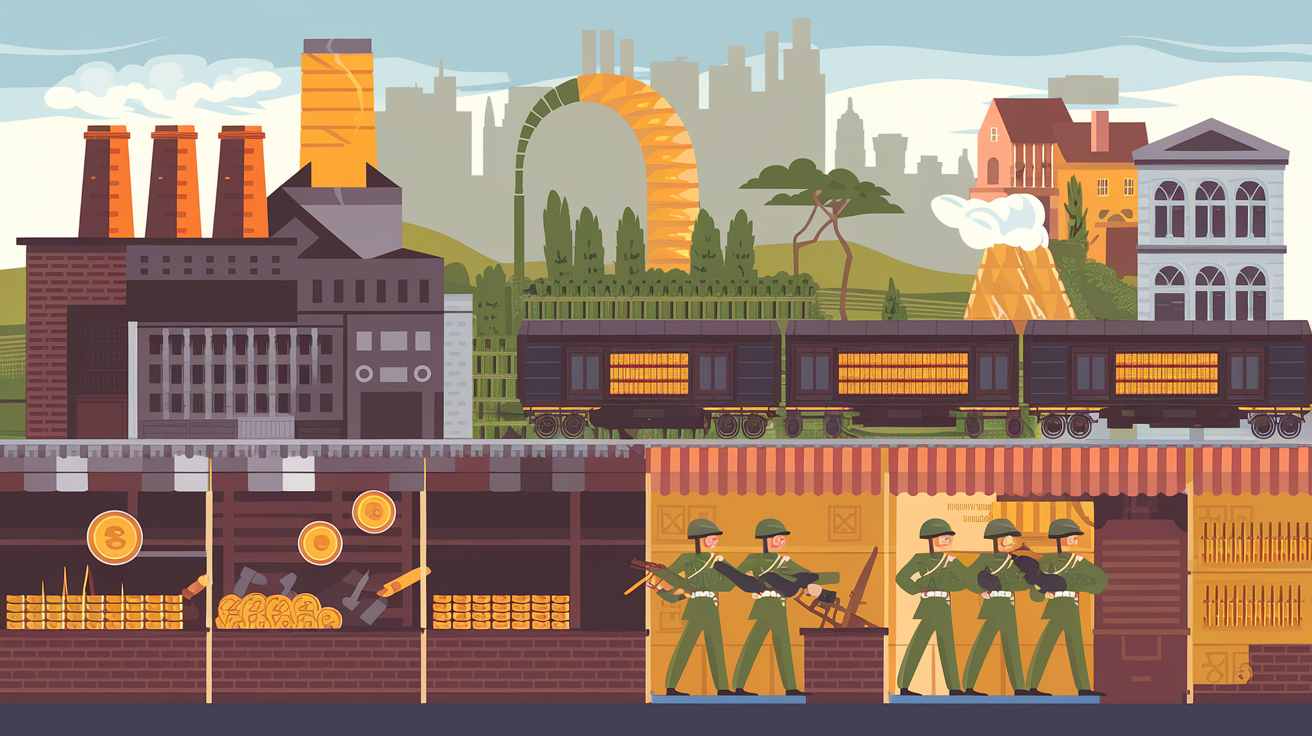
Both government-owned and privately-owned businesses operate side by side.
- Government Regulation:
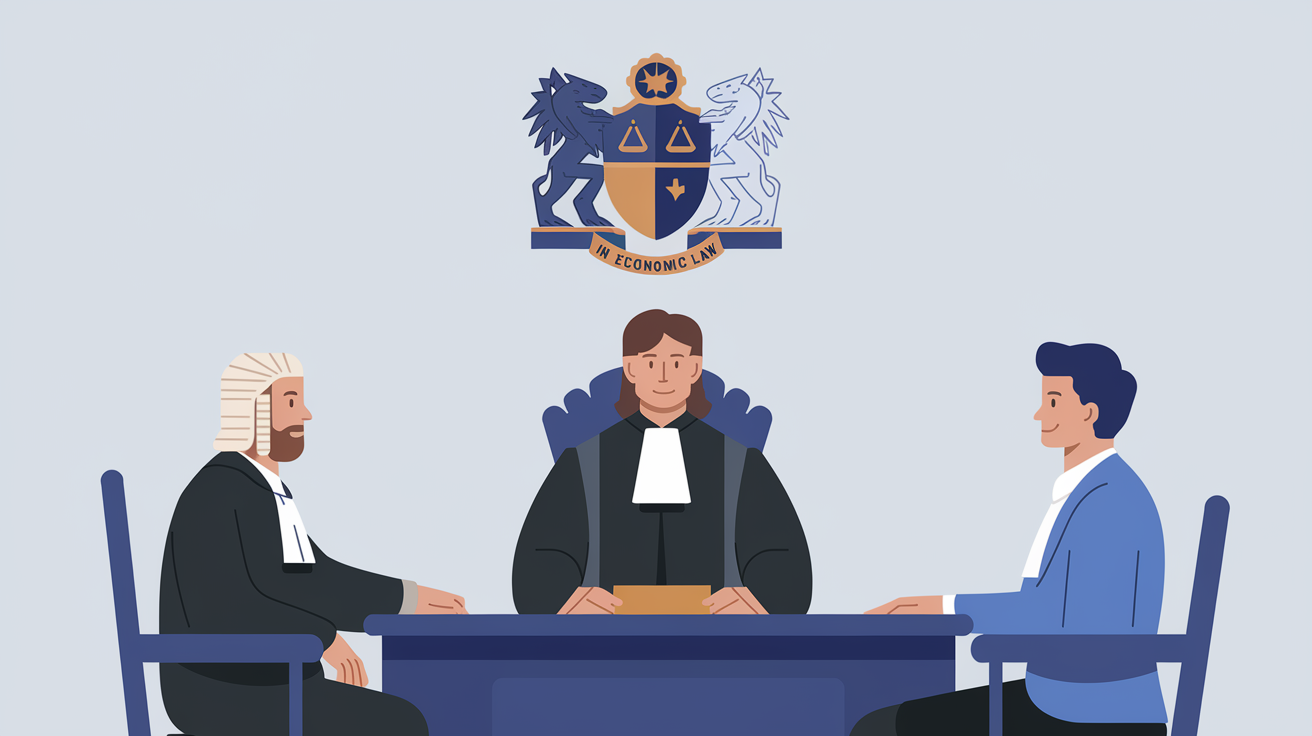
The government enforces laws to regulate industries, protect consumers, and ensure fair competition.
- Social Welfare Programs:
Governments provide services like healthcare, education, and social security to support citizens.
- Market-Driven Prices:
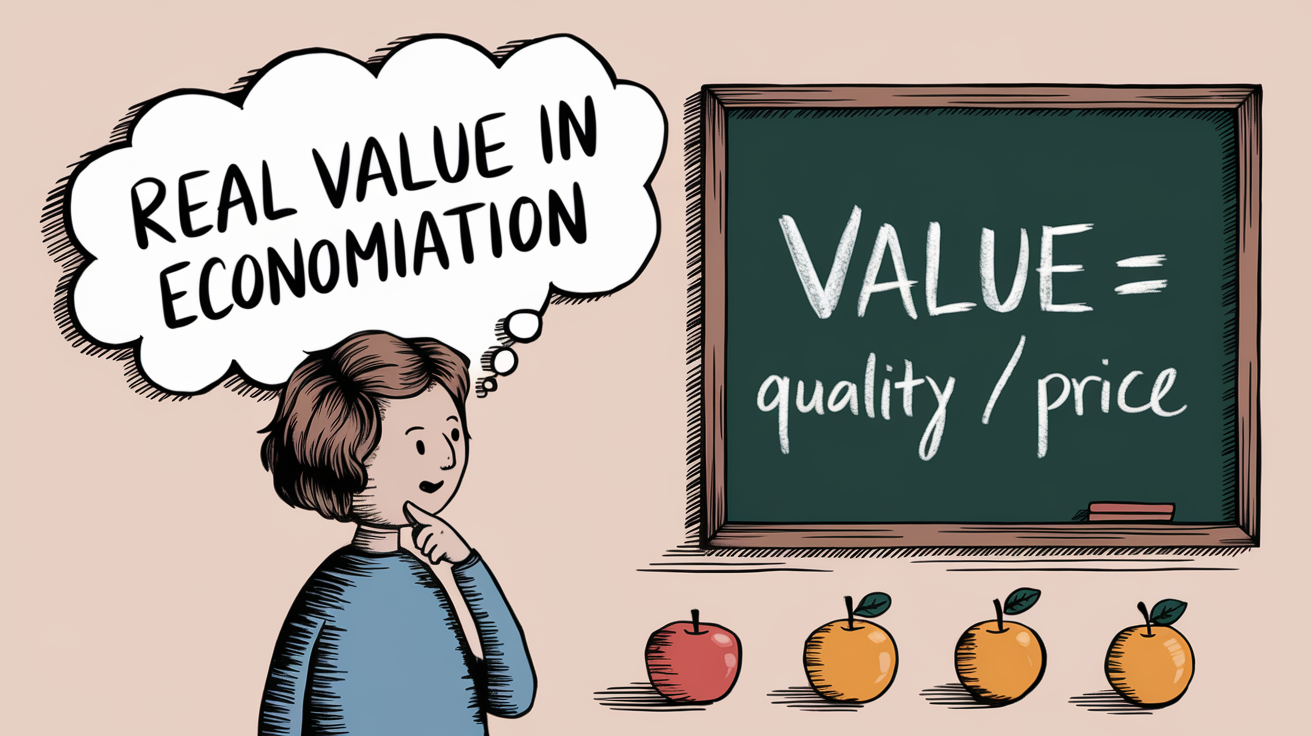
Prices are mostly determined by supply and demand but can be influenced by government policies.
- Economic Freedom with Restrictions:
Individuals and businesses have freedom to operate but within legal limits set by the state.
How Does a Mixed Economic System Work?
In a mixed economy, the private sector drives most economic activities, such as manufacturing, retail, and services. At the same time, the government steps in to regulate industries that affect public welfare or national interests.
For example, the government may control utilities like water and electricity or provide subsidies for essential goods. It also imposes taxes and uses the revenue to fund public projects and social programs.
Examples of Government Intervention
Setting minimum wages to protect workers.
Regulating pollution to safeguard the environment.
Providing unemployment benefits during economic downturns.
Controlling monopolies to maintain competition.
Investing in infrastructure like roads and schools.
Advantages of a Mixed Economic System
This system offers several benefits by combining the strengths of capitalism and socialism. It promotes economic growth while ensuring social justice and stability.
- Balanced Growth:
Encourages entrepreneurship and innovation alongside government support for weaker sectors.
- Consumer Protection:
Government regulations help prevent exploitation and ensure product safety.
- Reduced Inequality:
Social welfare programs help reduce poverty and provide basic needs.
- Economic Stability:
Government can intervene to control inflation, unemployment, and economic crises.
- Flexibility:
Allows adjustments based on changing economic conditions and public needs.
Disadvantages of a Mixed Economic System
Despite its benefits, a mixed economy also faces challenges. Balancing government control and market freedom can be difficult, sometimes leading to inefficiencies.
- Bureaucracy:
Government involvement can slow down decision-making and increase administrative costs.
- Market Distortions:
Excessive regulation may discourage business investment and innovation.
- Tax Burden:
Funding social programs requires higher taxes, which can affect disposable income.
- Conflicts of Interest:
Balancing private profit motives with public welfare goals can create tensions.
- Risk of Corruption:
Government control over resources may lead to misuse or favoritism.
Countries with Mixed Economic Systems
Most modern economies operate under a mixed system, adapting the balance between private enterprise and government control to their unique needs.
- United States:
Primarily capitalist but with government programs like Social Security and Medicare.
- Germany:
Combines a strong private sector with extensive social welfare and labor protections.
- India:
Mixes free-market policies with government ownership in key industries.
- Sweden:
Known for its high taxes funding comprehensive social services alongside a competitive market.
- Brazil:
Uses government intervention to regulate markets and reduce poverty.
Why Choose a Mixed Economic System?
A mixed economy offers a practical way to enjoy the benefits of free markets while addressing their shortcomings. It helps ensure that economic growth is inclusive and sustainable.
This system allows governments to protect vulnerable populations, maintain essential services, and respond to economic crises without stifling innovation and entrepreneurship.
Conclusion
Understanding what a mixed economic system is helps you see how many countries manage their economies today. It’s a flexible approach that blends private enterprise with government oversight to promote growth and fairness.
By balancing freedom and regulation, mixed economies aim to create a stable environment where businesses can thrive and citizens receive necessary support. This balance is key to addressing the complex challenges of modern economies.
FAQs
What is the main difference between a mixed economy and a pure market economy?
A mixed economy combines private enterprise with government intervention, while a pure market economy relies solely on free market forces without government control.
Can a mixed economic system change over time?
Yes, countries can adjust the balance between government control and private sector freedom based on economic needs and political decisions.
Does a mixed economy guarantee economic equality?
No system guarantees full equality, but mixed economies use social programs to reduce poverty and provide basic services, promoting more fairness.
How does government regulation affect businesses in a mixed economy?
Regulations protect consumers and the environment but can also increase costs and limit some business activities.
Are mixed economies more stable than pure capitalist or socialist systems?
Mixed economies tend to be more stable because they combine market efficiency with government tools to manage economic fluctuations and social needs.