What is Microfinance? Understanding Its Role and Benefits
Discover what microfinance is, how it empowers low-income individuals, and its role in promoting financial inclusion worldwide.
Introduction
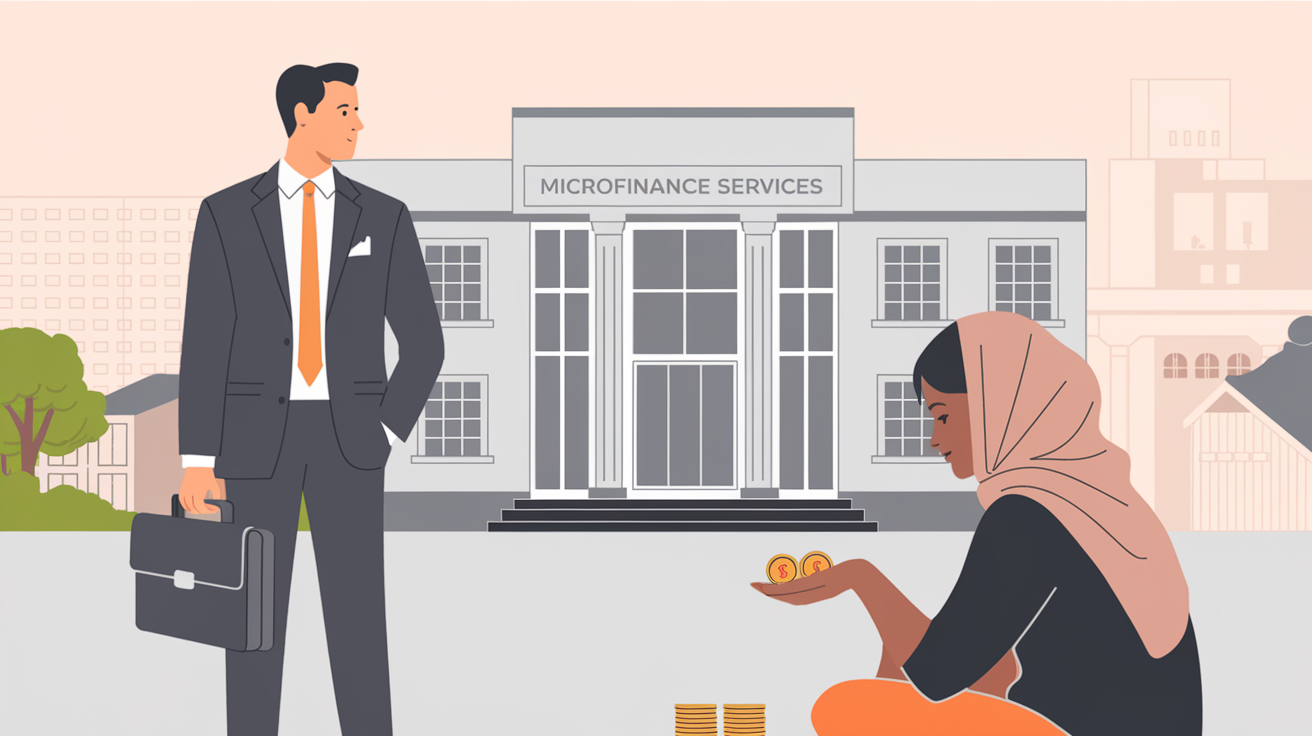
Microfinance is a powerful tool that helps people with limited access to traditional banking services. It provides small loans and financial services to individuals who often lack collateral or steady income.
In this article, we’ll explore what microfinance means, how it works, and why it’s crucial for economic growth and poverty reduction worldwide.
What is Microfinance?
Microfinance refers to financial services like small loans, savings, insurance, and payment options offered to low-income individuals or groups. These services help people start or grow small businesses, manage risks, and improve their living standards.
Unlike traditional banks, microfinance institutions (MFIs) focus on clients who don’t have access to regular banking due to lack of credit history or collateral.
Loans typically range from $100 to a few thousand dollars.
Clients often include women, rural farmers, and small entrepreneurs.
Services are designed to be affordable and flexible.
How Does Microfinance Work?
Microfinance institutions provide small loans and financial products tailored to the needs of underserved populations. The process usually involves:
- Group Lending:
Borrowers form groups to guarantee each other's loans, reducing risk for lenders.
- Flexible Repayment:
Payments are structured around the borrower’s cash flow, often weekly or monthly.
- Financial Education:
Many MFIs offer training on budgeting and business skills.
This approach helps build trust and encourages timely repayments, making microfinance sustainable.
Benefits of Microfinance
Microfinance offers several advantages that contribute to individual and community development.
- Financial Inclusion:
Brings banking services to those excluded from traditional finance.
- Poverty Reduction:
Enables people to start businesses and increase income.
- Empowerment:
Especially benefits women by providing economic independence.
- Job Creation:
Small businesses funded by microloans often create local jobs.
Challenges Facing Microfinance
Despite its benefits, microfinance faces some challenges that can affect its impact.
- High Interest Rates:
Due to small loan sizes and administrative costs.
- Over-Indebtedness:
Borrowers may take multiple loans they cannot repay.
- Limited Reach:
Some remote or conflict-affected areas remain underserved.
- Regulatory Issues:
Varying laws can restrict MFI operations.
Microfinance and Economic Development
Microfinance plays a vital role in promoting economic development by:
Supporting entrepreneurship in low-income communities.
Encouraging savings and investment habits.
Reducing reliance on informal lenders who charge exorbitant interest.
Helping governments achieve financial inclusion targets.
Countries with strong microfinance sectors often see improvements in local economies and social welfare.
How to Access Microfinance Services
If you’re interested in microfinance, here’s how you can get started:
Identify local microfinance institutions or NGOs offering services.
Prepare a simple business plan or explain your financial needs.
Join or form a borrower group if required by the MFI.
Attend financial literacy workshops if available.
Apply for a loan or savings account with clear documentation.
Conclusion
Microfinance is more than just small loans; it’s a gateway to financial independence for millions worldwide. By offering accessible financial services, it empowers people to improve their lives and communities.
Understanding microfinance helps you appreciate its role in reducing poverty and fostering economic growth. Whether you’re a borrower or an investor, microfinance offers meaningful opportunities to make a difference.
FAQs
What types of loans does microfinance offer?
Microfinance typically offers small loans for business startups, agriculture, education, and emergencies, often without collateral.
Who can benefit from microfinance?
Low-income individuals, women entrepreneurs, rural farmers, and small business owners who lack access to traditional banks benefit most.
Are microfinance interest rates high?
Interest rates can be higher than banks due to small loan sizes and operational costs but remain affordable compared to informal lenders.
How do group loans work in microfinance?
Borrowers form groups that guarantee each other’s loans, encouraging repayment and reducing default risk for lenders.
Can microfinance help reduce poverty?
Yes, by providing capital and financial services, microfinance enables income generation and economic empowerment, reducing poverty over time.