What is PMI (Purchasing Managers’ Index)?
Understand the Purchasing Managers’ Index (PMI), its significance, calculation, and how it helps you gauge economic health and make informed investment decisions.
Introduction to PMI
The Purchasing Managers’ Index, or PMI, is a vital economic indicator that reflects the health of the manufacturing and service sectors. You often hear about PMI in financial news because it helps investors and businesses understand economic trends early.
In this article, we’ll explore what PMI means, how it’s calculated, and why it matters to your financial decisions. Whether you’re an investor or just curious about the economy, knowing PMI can give you an edge.
What is the Purchasing Managers’ Index?
PMI is a monthly survey-based index that measures the economic activity of purchasing managers in manufacturing and service industries. It indicates whether these sectors are expanding or contracting.
The index is expressed as a number between 0 and 100:
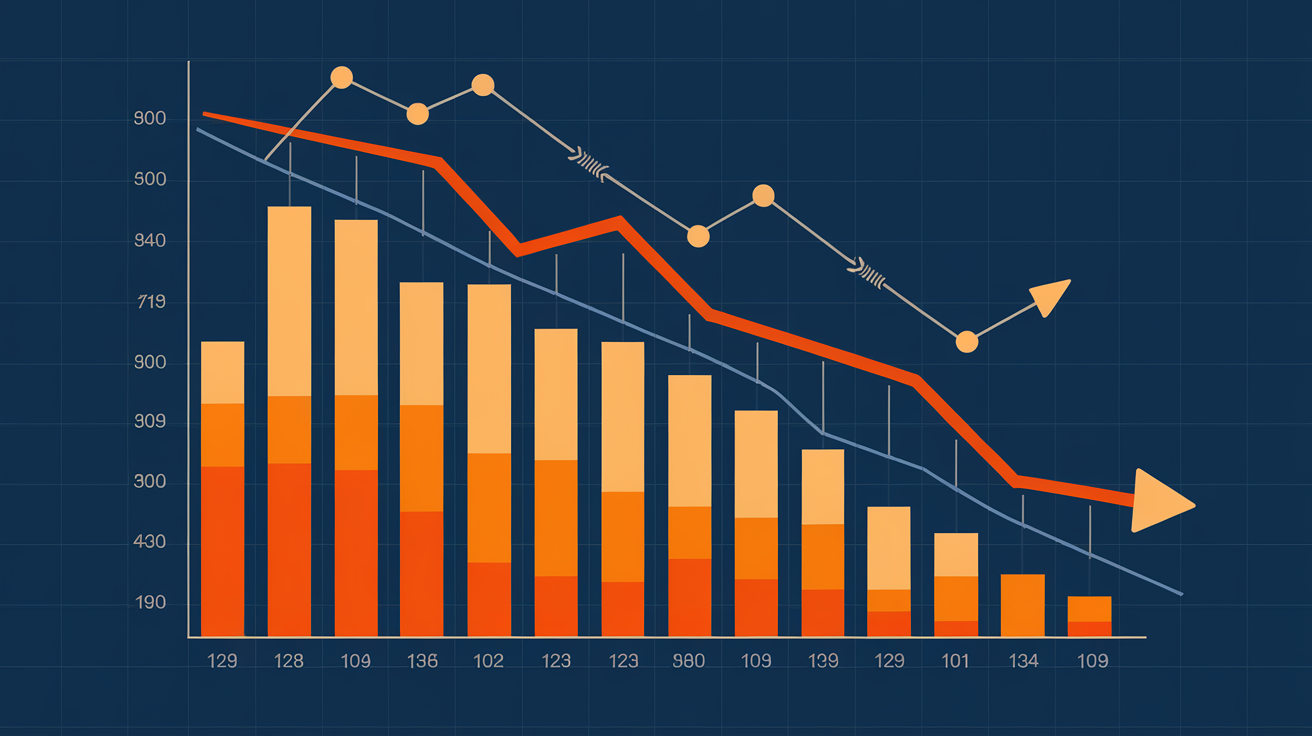
A PMI above 50 means expansion in the sector.
A PMI below 50 signals contraction.
A PMI at 50 indicates no change.
This simple number helps you quickly assess the economic momentum.
How is PMI Calculated?
PMI is based on surveys of purchasing managers who report on key business factors. These factors include:
New orders
Inventory levels
Production output
Supplier deliveries
Employment environment
Each factor is weighted and combined to produce the overall PMI score. The survey asks whether conditions are improving, worsening, or staying the same compared to the previous month.
This approach provides a timely snapshot of business conditions before official economic data is released.
Types of PMI
There are two main types of PMI you should know:
- Manufacturing PMI:
Focuses on the manufacturing sector, covering factories, production, and supply chains.
- Services PMI:
Covers service industries like retail, finance, and healthcare.
Some countries also publish a composite PMI that combines manufacturing and services data for a broader economic view.
Why is PMI Important?
PMI is a leading economic indicator, meaning it predicts future economic activity. Here’s why it matters to you:
- Early economic signals:
PMI data is released quickly, often before official GDP numbers.
- Investment decisions:
Investors use PMI to anticipate market trends and adjust portfolios.
- Business planning:
Companies rely on PMI to manage inventory, staffing, and production.
- Policy insights:
Governments and central banks monitor PMI to guide economic policies.
How to Use PMI in Your Financial Strategy
Understanding PMI can improve your investment and financial planning:
- Spot economic turning points:
Rising PMI suggests growth opportunities; falling PMI warns of slowdowns.
- Diversify investments:
Use PMI trends to balance stocks, bonds, and other assets.
- Monitor sectors:
Focus on sectors with strong PMI for potential gains.
- Stay updated:
Regularly check PMI releases to stay ahead of economic changes.
Limitations of PMI
While PMI is useful, it has some limitations you should consider:
- Survey-based:
PMI relies on subjective responses, which can introduce bias.
- Sector focus:
It may not fully capture informal or small business activities.
- Volatility:
Monthly PMI can fluctuate due to temporary factors.
Use PMI alongside other economic indicators for a balanced view.
Conclusion
The Purchasing Managers’ Index is a powerful tool to understand economic health quickly. It offers timely insights into manufacturing and service sector trends, helping you make smarter investment and business decisions.
By tracking PMI, you can anticipate economic shifts, adjust your financial strategies, and stay informed about the broader market environment. Remember to combine PMI with other data for the best results.
FAQs about PMI
What does a PMI above 50 indicate?
A PMI above 50 indicates expansion in the manufacturing or service sector, signaling economic growth.
How often is PMI released?
PMI is typically released monthly, providing timely updates on economic conditions.
Can PMI predict recessions?
PMI can signal economic slowdowns early, but it should be used with other indicators to predict recessions accurately.
Is PMI the same worldwide?
PMI methodology is similar globally, but each country may have its own survey providers and sector focus.
Where can I find PMI data?
PMI data is available from financial news sites, government agencies, and organizations like IHS Markit or ISM.