What is Recession in Macroeconomics?
Understand what a recession is in macroeconomics, its causes, effects, and how it impacts the economy and your finances.
Introduction
Understanding what a recession means in macroeconomics is essential for anyone interested in how economies work. A recession affects jobs, investments, and everyday spending. Knowing its causes and effects helps you prepare and make smarter financial decisions.
In this article, we'll explore the definition of a recession, what triggers it, and how it impacts the economy and individuals. You'll also learn how governments and businesses respond during these challenging times.
What is a Recession?
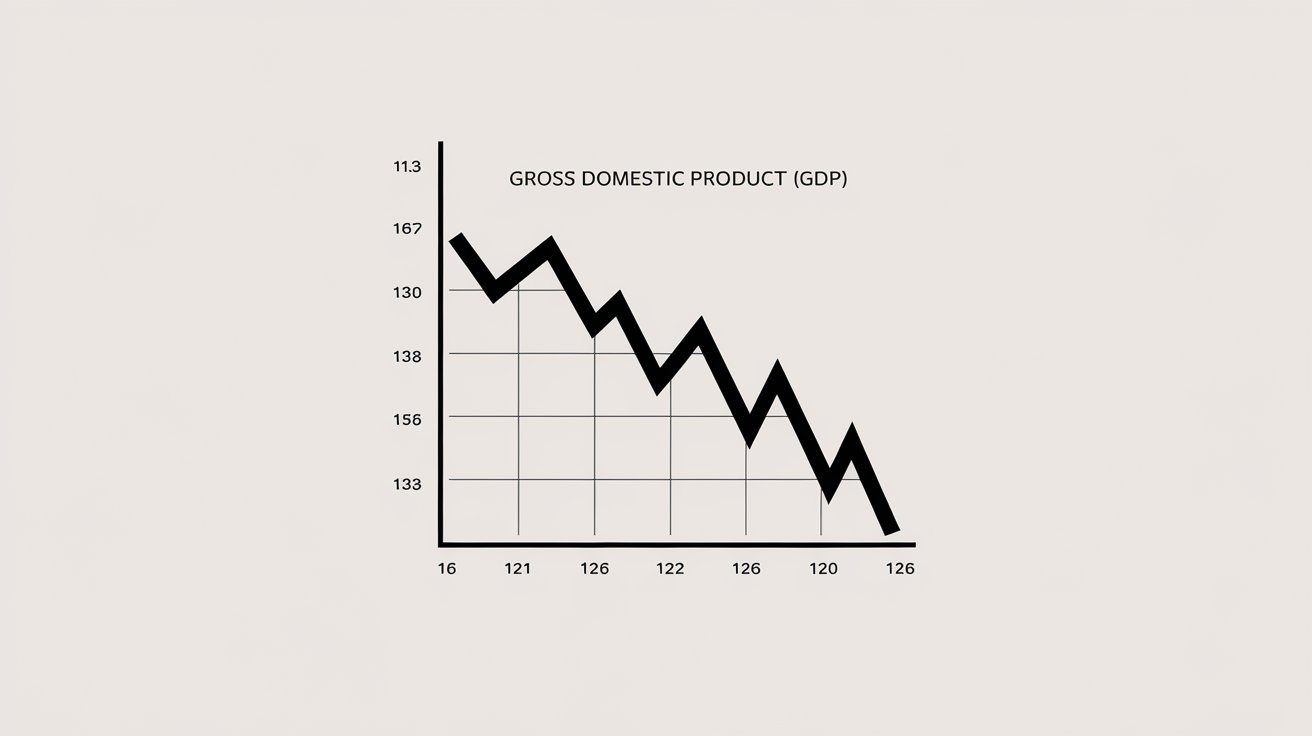
A recession is a significant decline in economic activity lasting for months or even years. It is marked by falling GDP (Gross Domestic Product), reduced consumer spending, and rising unemployment. Economists often define a recession as two consecutive quarters of negative GDP growth.
During a recession, businesses sell less, which leads to layoffs and lower income for many people. This cycle can deepen the economic slowdown if not addressed properly.
Causes of a Recession
Recessions can happen for various reasons, often involving complex factors interacting. Here are some common causes:
- Demand Shock:
A sudden drop in consumer or business spending reduces overall demand.
- Supply Shock:
Disruptions like natural disasters or rising oil prices increase costs and reduce production.
- Financial Crises:
Banking failures or credit crunches limit access to loans and investment.
- High Inflation:
Rapid price increases reduce purchasing power, lowering consumption.
- Policy Mistakes:
Poor government or central bank decisions can tighten money supply too much.
Effects of a Recession on the Economy
Recessions impact many parts of the economy, often creating a ripple effect. Some key effects include:
- Rising Unemployment:
Businesses cut jobs to reduce costs.
- Lower Consumer Spending:
People save more and buy less.
- Decline in Business Profits:
Reduced sales hurt company earnings.
- Falling Investment:
Companies delay or cancel expansion plans.
- Stock Market Volatility:
Investors become cautious, causing price swings.
How Governments and Central Banks Respond
To combat recessions, governments and central banks use several tools to stimulate the economy:
- Monetary Policy:
Central banks lower interest rates to encourage borrowing and spending.
- Fiscal Policy:
Governments increase spending or cut taxes to boost demand.
- Quantitative Easing:
Central banks buy financial assets to inject money into the economy.
- Unemployment Benefits:
Support for those who lose jobs helps maintain consumer spending.
These measures aim to restore confidence, increase demand, and shorten the recession period.
How a Recession Affects You Personally
Recessions can impact your financial life in several ways. Understanding these effects helps you prepare and protect your finances:
- Job Security:
Risk of layoffs increases, so having an emergency fund is crucial.
- Investment Volatility:
Stock markets may drop, but long-term investing can still pay off.
- Borrowing Costs:
Interest rates may fall, making loans cheaper.
- Spending Habits:
You might need to prioritize essential expenses and reduce discretionary spending.
How to Prepare for a Recession
Being proactive can help you weather a recession more comfortably. Consider these steps:
- Build an Emergency Fund:
Save at least 3-6 months of living expenses.
- Reduce Debt:
Pay down high-interest loans to lower financial stress.
- Diversify Investments:
Spread your money across different assets to reduce risk.
- Keep Skills Updated:
Enhance your employability in case of job loss.
- Budget Wisely:
Track spending and cut unnecessary costs.
Common Misconceptions About Recessions
There are several myths about recessions that can cause unnecessary fear or confusion:
- Recessions Last Forever:
Most recessions are temporary and followed by recovery.
- All Businesses Fail:
Some industries and companies thrive during downturns.
- Stock Market Drops Mean Recession:
Markets can be volatile without a recession.
- Government Can Always Prevent Recessions:
Some recessions are unavoidable due to external shocks.
Conclusion
Recessions are natural parts of economic cycles, marked by falling growth and rising unemployment. Knowing what causes them and how they affect the economy helps you stay informed and prepared.
By understanding government responses and personal finance strategies, you can protect your financial health during tough times. Staying calm and making smart choices is key to navigating any recession successfully.
What is the technical definition of a recession?
A recession is typically defined as two consecutive quarters of negative GDP growth, indicating a sustained decline in economic activity.
How does a recession affect unemployment?
During a recession, companies often reduce staff to cut costs, leading to higher unemployment rates.
Can governments prevent recessions?
While governments can use policies to reduce recession severity, they cannot always prevent recessions caused by external shocks.
What is the difference between a recession and a depression?
A depression is a more severe and prolonged economic downturn than a recession, with deeper impacts on employment and production.
How should I invest during a recession?
Focus on diversified, long-term investments and avoid panic selling to ride out market volatility during recessions.