What is Tight Monetary Policy?
Understand what tight monetary policy means, its effects on the economy, and how central banks use it to control inflation and stabilize growth.
Introduction
When you hear about central banks adjusting interest rates or controlling money supply, they might be using a tight monetary policy. This strategy helps manage inflation and keep the economy stable. Understanding tight monetary policy can empower you to grasp how economic decisions impact your finances and investments.
In this article, we will explore what tight monetary policy is, why it is used, and how it affects everyday life. You’ll learn the key tools central banks use and what it means for borrowing, spending, and economic growth.
What is Tight Monetary Policy?
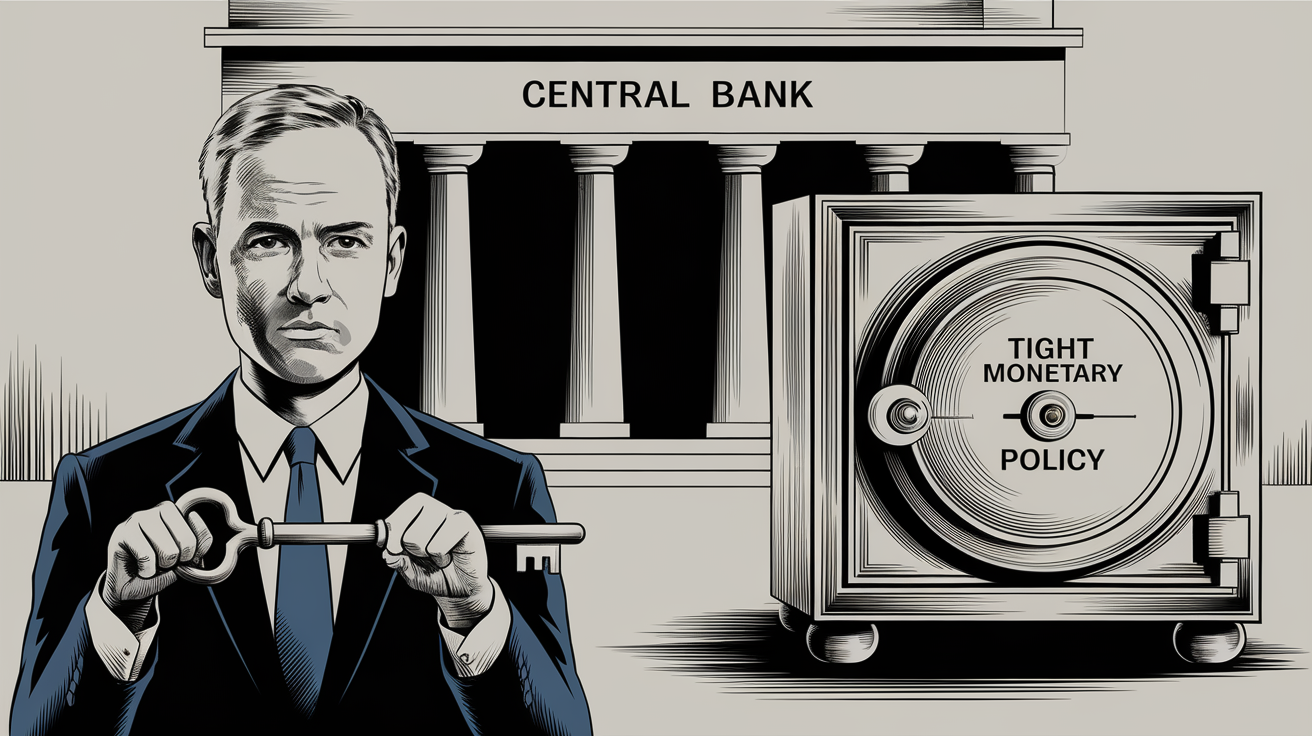
Tight monetary policy, also called contractionary monetary policy, is when a central bank reduces the money supply or raises interest rates. The goal is to slow down economic activity to control inflation and prevent the economy from overheating.
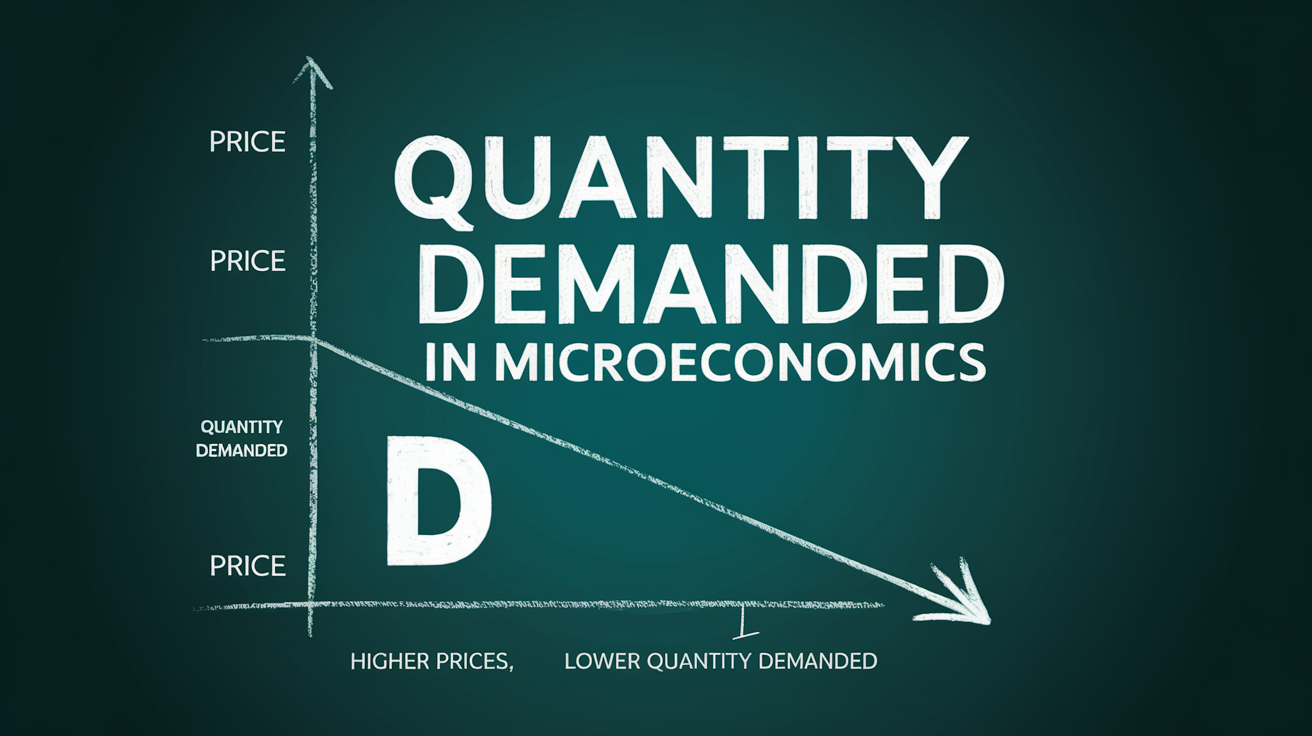
By making borrowing more expensive and limiting money circulation, tight monetary policy cools demand for goods and services. This helps keep prices stable and protects the economy from bubbles or excessive growth.
Key Characteristics of Tight Monetary Policy
Higher interest rates to discourage borrowing
Reduced money supply through selling government securities
Increased reserve requirements for banks
Focus on controlling inflation rather than boosting growth
Why Do Central Banks Use Tight Monetary Policy?
Central banks use tight monetary policy mainly to control inflation. When prices rise too quickly, it erodes purchasing power and creates uncertainty. Tightening the money supply helps bring inflation back to a manageable level.
Other reasons include:
Preventing asset bubbles in housing or stock markets
Maintaining currency stability
Ensuring long-term economic growth by avoiding overheating
How Does Tight Monetary Policy Work?
Central banks have several tools to implement tight monetary policy. These tools influence how much money banks can lend and how expensive loans become.
Interest Rate Hikes
Raising the benchmark interest rate makes borrowing costlier for individuals and businesses. This reduces spending and investment, slowing economic growth.
Open Market Operations
The central bank sells government bonds to banks and investors. This action takes money out of circulation, reducing liquidity and credit availability.
Reserve Requirements
Increasing the amount of money banks must hold in reserve limits how much they can lend, tightening credit conditions further.
Effects of Tight Monetary Policy on the Economy
Tight monetary policy impacts various parts of the economy in different ways. Understanding these effects helps you see why central banks carefully balance their decisions.
- Inflation Control:
Slows price increases, protecting purchasing power.
- Reduced Borrowing:
Higher loan costs discourage spending and investment.
- Slower Economic Growth:
Can lead to lower GDP growth or even recession if too tight.
- Stronger Currency:
Higher interest rates attract foreign investment, boosting currency value.
- Impact on Employment:
Slower growth may reduce job creation temporarily.
Examples of Tight Monetary Policy in Action
Historically, many central banks have used tight monetary policy to fight inflation. For example:
In the early 1980s, the U.S. Federal Reserve raised interest rates sharply to curb double-digit inflation.
Several emerging markets have tightened policy to stabilize currencies during capital outflows.
Central banks often tighten policy after periods of rapid economic expansion to avoid bubbles.
When Should You Expect Tight Monetary Policy?
Central banks usually signal tight monetary policy when inflation rises above target levels or when the economy grows too fast. You might notice:
Rising interest rates on mortgages, loans, and credit cards
Reduced availability of credit
Slower growth in stock markets
Watching central bank announcements and inflation reports can help you anticipate these changes.
How Tight Monetary Policy Affects You
Tight monetary policy can influence your personal finances in several ways:
- Higher Loan Costs:
Expect increased interest rates on mortgages, car loans, and credit cards.
- Investment Impact:
Stock markets may slow, but bonds and savings accounts might offer better returns.
- Inflation Control:
Helps maintain your money’s purchasing power over time.
Adjusting your budget and investment strategy during tight monetary policy periods can help you stay financially secure.
Conclusion
Tight monetary policy is a vital tool central banks use to keep inflation in check and maintain economic stability. By reducing money supply and raising interest rates, it slows down excessive growth and protects the economy from overheating.
Understanding tight monetary policy helps you anticipate changes in borrowing costs, investment returns, and overall economic conditions. Staying informed allows you to make smarter financial decisions in any economic environment.
FAQs
What is the main goal of tight monetary policy?
The main goal is to control inflation by reducing money supply and increasing interest rates, which slows down economic activity.
How does tight monetary policy affect interest rates?
It raises interest rates, making borrowing more expensive for consumers and businesses.
Can tight monetary policy cause a recession?
If applied too aggressively, it can slow economic growth enough to trigger a recession.
What tools do central banks use for tight monetary policy?
They use interest rate hikes, open market operations, and increased reserve requirements to tighten money supply.
How does tight monetary policy impact inflation?
It helps reduce inflation by decreasing demand and slowing price increases across the economy.