What Is W-Shaped Recovery? Explained
Understand what a W-shaped recovery is, its phases, causes, and impact on the economy and investments during volatile market conditions.
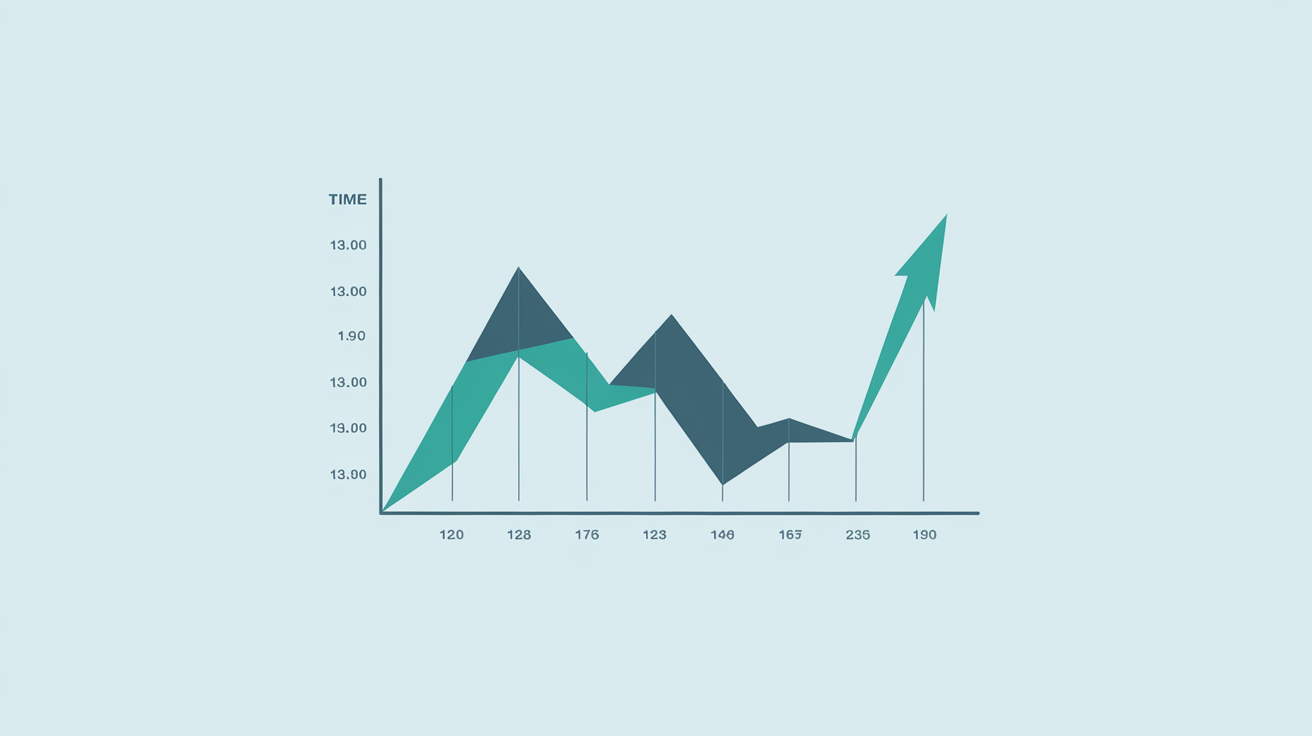
Introduction to W-Shaped Recovery
When the economy faces a downturn, the path to recovery can take many shapes. One such pattern is the W-shaped recovery, also known as a double-dip recession. You might have heard this term during volatile market periods. Understanding it helps you prepare for potential economic fluctuations and make smarter investment choices.
In this article, we’ll explore what a W-shaped recovery means, how it unfolds, and why it matters for your financial planning. Let’s dive into the key phases and what you should watch for.
What Is a W-Shaped Recovery?
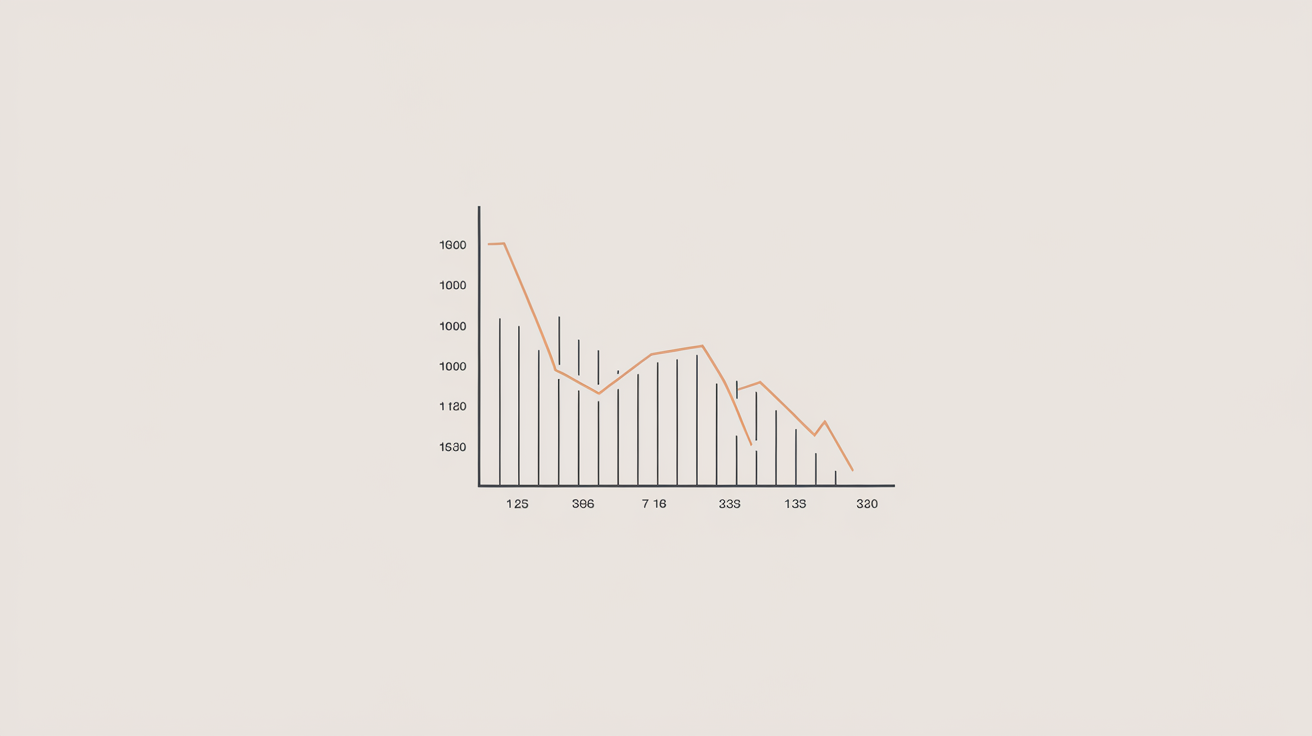
A W-shaped recovery describes an economic cycle where the economy falls into recession, recovers briefly, then dips again before finally improving. The pattern resembles the letter 'W' on a graph showing GDP or market performance over time.
This type of recovery signals instability and uncertainty. Unlike a smooth V-shaped recovery, which quickly bounces back, the W-shaped recovery involves two distinct downturns separated by a short-lived rebound.
- First dip:
The economy contracts sharply due to shocks like financial crises or pandemics.
- Brief recovery:
Stimulus measures or market optimism lead to a short rebound.
- Second dip:
Underlying problems resurface, causing another decline.
- Final recovery:
Sustainable growth resumes after addressing core issues.
Causes of a W-Shaped Recovery
Several factors can trigger a W-shaped recovery. It often happens when initial recovery efforts fail to resolve deep economic problems. Here are common causes:
- Premature easing of restrictions:
Lifting lockdowns too soon can cause new infection waves, impacting economic activity.
- Policy missteps:
Insufficient fiscal or monetary support may lead to a weak recovery.
- Structural weaknesses:
Issues like high debt levels or weak consumer confidence can cause setbacks.
- External shocks:
Global trade disruptions or geopolitical tensions may trigger renewed downturns.
Phases of a W-Shaped Recovery Explained
Understanding each phase helps you anticipate market moves and adjust your strategy. The four main phases are:
- Recession:
Economic output declines, unemployment rises, and markets fall.
- Initial Recovery:
Stimulus and easing restrictions boost growth temporarily.
- Second Recession:
Lingering problems cause another contraction.
- Final Recovery:
Stronger fundamentals and policy support lead to sustained growth.
Impact on Investments and Markets
A W-shaped recovery creates challenges for investors. Market volatility increases, and sectors recover unevenly. Here’s what you should consider:
- Increased risk:
Double dips can cause sharp losses in stocks and commodities.
- Sector rotation:
Defensive sectors like healthcare may outperform during downturns.
- Opportunities:
Volatility can create buying chances for long-term investors.
- Diversification:
Spreading investments helps reduce risk during uncertain times.
How to Prepare for a W-Shaped Recovery
Being ready for a W-shaped recovery means staying informed and flexible. Here are practical steps:
- Monitor economic indicators:
Watch GDP growth, unemployment rates, and consumer confidence.
- Keep emergency funds:
Ensure you have liquidity to cover unexpected expenses.
- Review your portfolio:
Balance risk and consider defensive assets.
- Stay patient:
Avoid panic selling during temporary downturns.
Examples of W-Shaped Recoveries
History shows several instances of W-shaped recoveries. For example:
- Early 1980s US recession:
The economy experienced two recessions separated by a brief recovery.
- Post-2008 financial crisis:
Some sectors saw a double dip before stabilizing.
These examples highlight the importance of cautious optimism and strategic planning.
Conclusion
A W-shaped recovery signals a bumpy road for the economy, with two downturns before steady growth returns. Knowing this pattern helps you understand market volatility and economic uncertainty.
By recognizing the phases and causes, you can better prepare your finances and investments. Staying informed, diversifying your portfolio, and maintaining patience are key to navigating a W-shaped recovery successfully.
What triggers a W-shaped recovery?
It is usually triggered by an initial recession, a brief recovery, followed by a second downturn due to unresolved economic issues or external shocks.
How does a W-shaped recovery affect stock markets?
It causes increased volatility, with markets falling twice before stabilizing, leading to higher investment risks and opportunities.
Can a W-shaped recovery be predicted?
While difficult to predict precisely, monitoring economic indicators and policy changes can provide clues about potential double-dip recessions.
What investment strategies work during a W-shaped recovery?
Diversification, focusing on defensive sectors, maintaining liquidity, and avoiding panic selling are effective strategies.
Is a W-shaped recovery common?
It is less common than V or U-shaped recoveries but can occur during periods of economic uncertainty and policy missteps.