What is Law of Demand? Explained Simply
Understand the Law of Demand, its principles, and how it influences consumer behavior and market prices effectively.
Introduction
The Law of Demand is a fundamental concept in economics that explains how consumers react to price changes. Understanding this law helps you grasp why prices and demand move in opposite directions.
In this article, we’ll break down the Law of Demand in simple terms, explore its key principles, and see how it impacts everyday buying decisions and market trends.
What is the Law of Demand?
The Law of Demand states that, all other factors being equal, when the price of a good or service increases, the quantity demanded decreases. Conversely, when the price decreases, the quantity demanded increases.
This inverse relationship between price and demand is the core idea behind the law. It reflects typical consumer behavior in markets worldwide.
Key Principles of the Law of Demand
- Price and Quantity Demanded Move Oppositely:
Higher prices discourage buying, while lower prices encourage it.
- Ceteris Paribus Condition:
The law assumes all other factors like income, tastes, and prices of related goods remain constant.
- Downward Sloping Demand Curve:
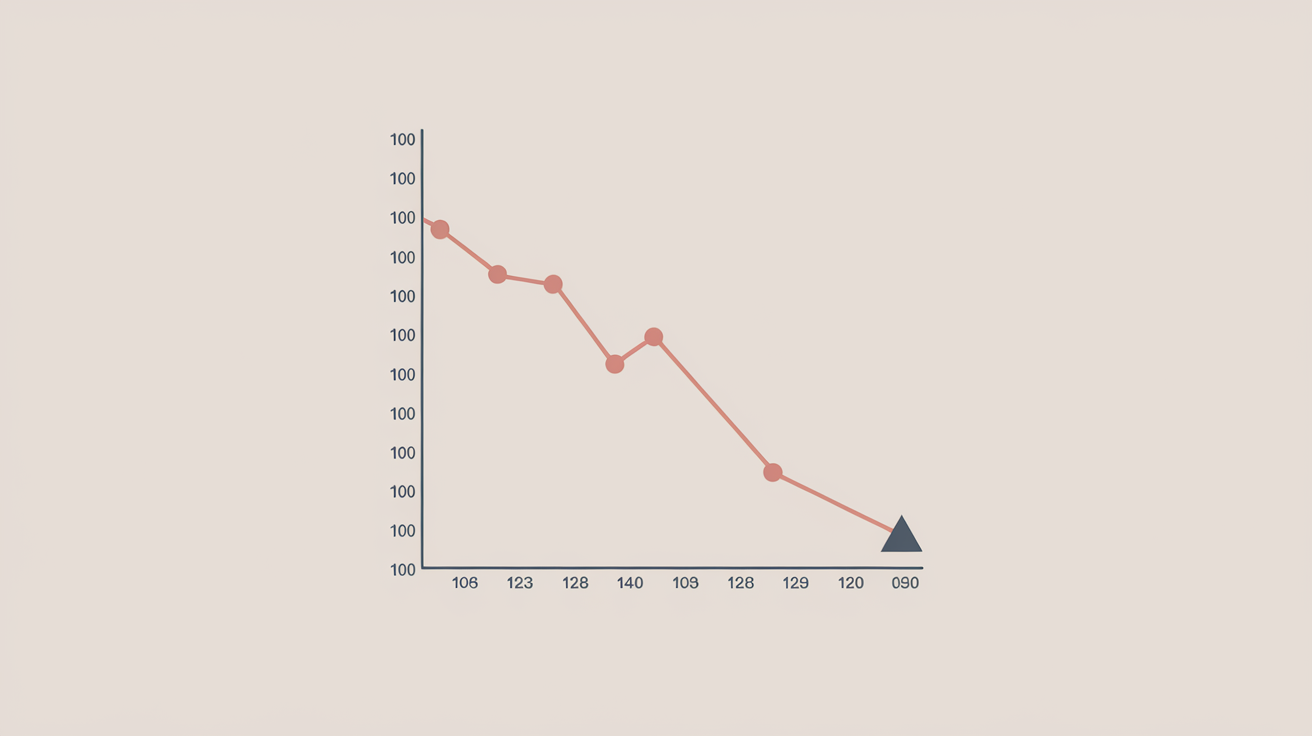
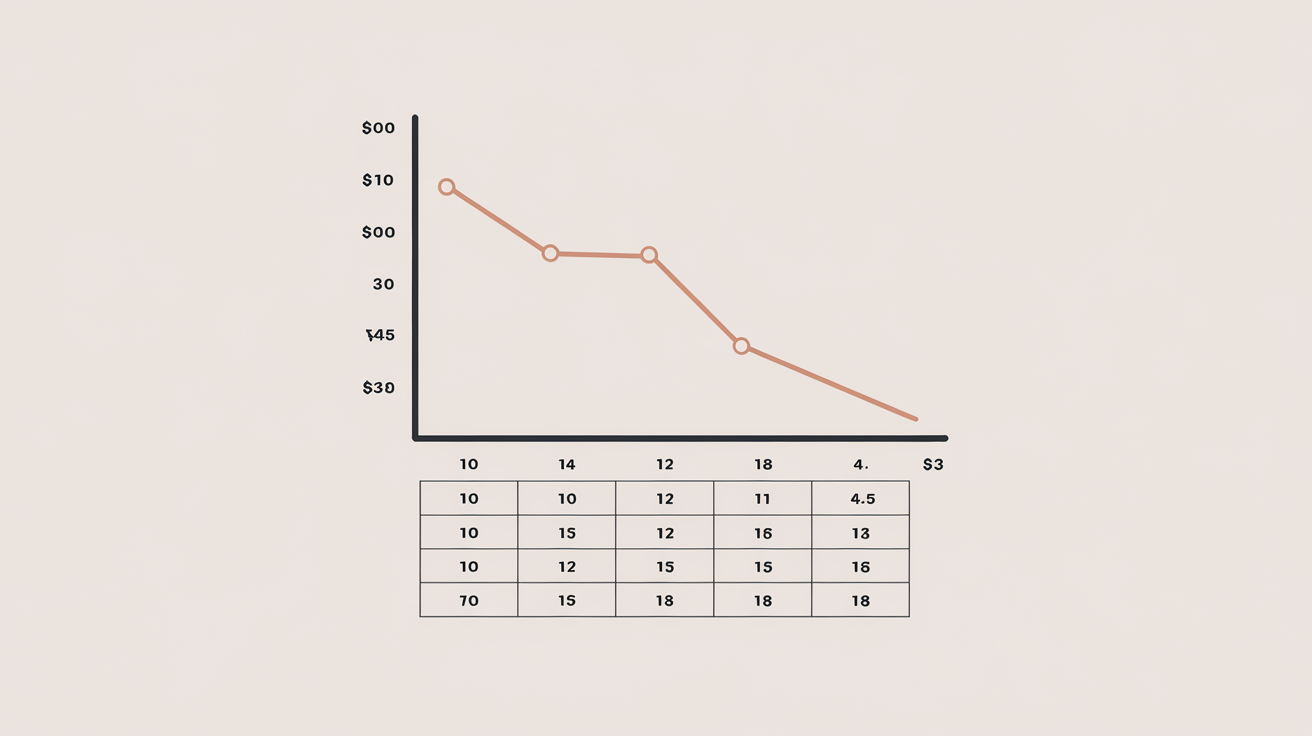
Graphically, demand curves slope downwards from left to right, illustrating the inverse price-demand relationship.
Why Does the Law of Demand Hold True?
There are two main reasons consumers buy less when prices rise:
- Substitution Effect:
When a product becomes expensive, buyers switch to cheaper alternatives.
- Income Effect:
Higher prices reduce consumers’ purchasing power, so they buy less.
Both effects work together to lower demand as prices increase.
Exceptions to the Law of Demand
While the Law of Demand applies broadly, some exceptions exist where demand does not fall as price rises.
- Giffen Goods:
Inferior goods where higher prices may increase demand due to income effects.
- Veblen Goods:
Luxury items where higher prices make products more desirable as status symbols.
- Essential Goods:
Products necessary for daily life may see steady demand regardless of price changes.
How the Law of Demand Affects Markets
Understanding this law helps businesses and policymakers predict consumer reactions to price changes.
- Pricing Strategies:
Companies set prices to maximize sales and profits by anticipating demand shifts.
- Taxation and Subsidies:
Governments use taxes or subsidies to influence demand for certain goods.
- Market Equilibrium:
The law helps determine the balance between supply and demand, stabilizing prices.
Real-Life Examples of the Law of Demand
Consider these everyday scenarios where the law applies:
- Fuel Prices:
When gas prices rise, people often drive less or use public transport.
- Smartphones:
Lower prices during sales increase the number of buyers.
- Restaurant Meals:
Price hikes may lead customers to dine out less frequently.
Conclusion
The Law of Demand is a simple yet powerful tool to understand consumer behavior. It explains why prices and demand move in opposite directions under normal circumstances.
By recognizing this relationship, you can make smarter decisions as a consumer, investor, or business owner. It also provides a foundation for deeper economic concepts and market analysis.
FAQs
What does the Law of Demand mean?
It means that when prices go up, people buy less, and when prices go down, people buy more, assuming all other factors stay the same.
Why does demand decrease when prices rise?
Because higher prices reduce buying power and encourage consumers to find cheaper alternatives, lowering the quantity demanded.
Are there goods that don’t follow the Law of Demand?
Yes, exceptions include Giffen goods, Veblen goods, and essential items where demand may not fall with price increases.
How does the Law of Demand affect business pricing?
Businesses use it to set prices that balance sales volume and profit, anticipating how customers will respond to price changes.
What is the demand curve in economics?
It’s a graph showing the inverse relationship between price and quantity demanded, typically sloping downward from left to right.