What Is Martial Law In Political Economy?
Explore what martial law means in political economy, its impact on governance, economy, and civil rights with clear insights and examples.
Introduction
Understanding martial law in political economy helps you grasp how governments manage crises and maintain control. It affects not just politics but also economic activities and citizens' freedoms.
We’ll explore what martial law means, when it’s applied, and how it influences both the economy and society. This knowledge empowers you to see the bigger picture behind government actions during emergencies.
What Is Martial Law?
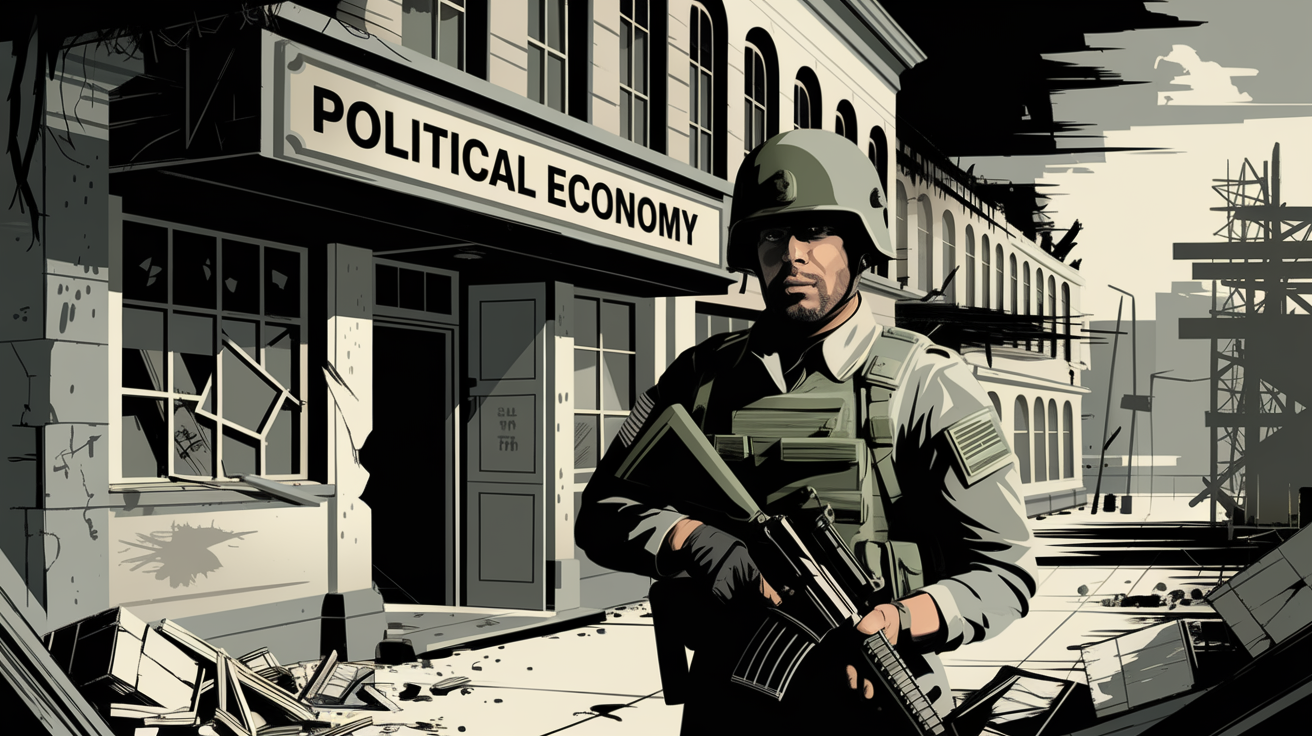
Martial law is a temporary rule by military authorities instead of civilian government. It usually happens during emergencies like war, rebellion, or natural disasters.
Under martial law, normal laws may be suspended, and military officials take control of law enforcement and administration. Civil liberties like freedom of movement or speech can be limited.
Military replaces civilian authorities
Curfews and restrictions imposed
Suspension of civil rights and legal protections
Used to restore order during crises
Martial Law in Political Economy
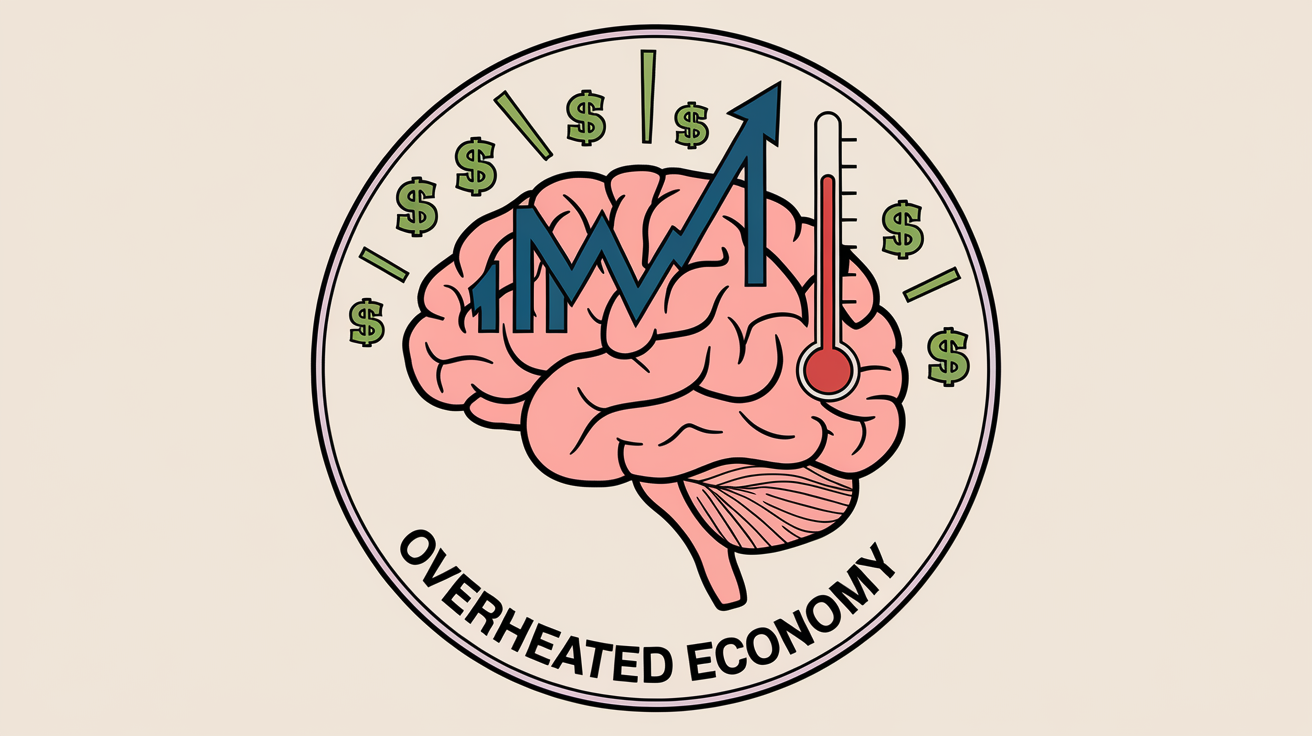
Political economy studies how politics and economics interact. Martial law affects both by changing who controls resources and how economic activities are regulated.
When martial law is declared, governments often prioritize security over economic freedoms. This can disrupt markets, trade, and investment, impacting the overall economy.
Military control can limit business operations
Trade restrictions or checkpoints may slow supply chains
Government spending may shift to defense and security
Investor confidence can decline due to uncertainty
Impact on Governance and Institutions
Martial law changes governance by sidelining elected officials and courts. Military leaders make decisions without usual checks and balances.
This shift can weaken institutions that support economic stability, such as independent courts or regulatory bodies.
Reduced transparency and accountability
Potential for abuse of power
Disruption of normal policy-making processes
Economic Consequences of Martial Law
Martial law can cause economic slowdowns. Restrictions on movement and business can reduce productivity and income.
Foreign investors may pull out or delay projects due to political risk, affecting jobs and growth.
Supply chain interruptions
Decline in tourism and retail sectors
Increased government spending on security
Potential inflation from disrupted markets
Historical Examples of Martial Law Affecting Economies
Several countries have experienced martial law with notable economic effects.
- Philippines (1972-1981):
Martial law under Ferdinand Marcos led to economic decline and corruption despite initial stability.
- Thailand (2014):
Military coup imposed martial law, causing investor caution and slower economic growth.
- Poland (1981):
Martial law aimed to suppress protests but disrupted trade and industry.
When Is Martial Law Declared?
Martial law is declared during extreme situations where civilian authorities cannot maintain order.
Widespread civil unrest or riots
Foreign invasion or war
Natural disasters causing chaos
Breakdown of law enforcement
It is meant to be temporary until stability returns.
Legal and Ethical Considerations
Martial law raises questions about human rights and legality. International laws restrict excessive use of force and protect civilians.
Governments must balance security with respecting rights to avoid long-term damage to society and economy.
Potential for human rights violations
Need for clear legal frameworks
Importance of restoring civilian rule quickly
How Martial Law Affects You
Martial law can impact daily life by limiting freedoms and changing how businesses operate.
You might face curfews, restricted travel, or limited access to services. Economically, job security and prices may be affected.
Possible restrictions on movement and communication
Changes in employment opportunities
Impact on local businesses and markets
Conclusion
Martial law is a powerful tool governments use in emergencies, but it carries significant political and economic consequences. It shifts control to the military, often limiting freedoms and disrupting markets.
Understanding martial law in political economy helps you see how crises affect governance and economic stability. Being informed prepares you to respond wisely during such times.
FAQs
What triggers the declaration of martial law?
Martial law is declared during extreme crises like war, rebellion, or severe civil unrest when civilian authorities cannot maintain order.
How does martial law impact the economy?
It can disrupt trade, reduce investor confidence, and slow down business activities due to restrictions and uncertainty.
Are civil rights suspended under martial law?
Yes, certain rights like freedom of movement and speech may be limited temporarily to restore order.
Is martial law permanent?
No, martial law is meant to be temporary until normal civilian governance and stability return.
Can martial law lead to abuse of power?
Yes, without proper oversight, military control can lead to human rights violations and weakened institutions.