What is Demand Theory in Microeconomics?
Explore Demand Theory in microeconomics, its principles, and how it explains consumer behavior and market demand effectively.

Introduction to Demand Theory
Understanding demand theory is essential if you want to grasp how markets work. It explains how consumers decide what to buy and how much of it. When you know this, you can predict how changes in price or income affect buying habits.
In microeconomics, demand theory helps us see the relationship between price and quantity demanded. This insight is crucial for businesses, policymakers, and anyone interested in economic behavior.
What is Demand Theory?
Demand theory studies how consumers choose goods and services based on their preferences, income, and prices. It assumes people want to maximize their satisfaction or utility when making buying decisions.
The core idea is simple: as the price of a product changes, the quantity demanded usually changes too. This relationship is often shown with a demand curve, which slopes downward from left to right.
- Law of Demand:
When prices go up, demand usually goes down.
- Substitution Effect:
Consumers switch to cheaper alternatives if prices rise.
- Income Effect:
Price changes affect consumers' purchasing power.
Key Components of Demand Theory
Demand theory involves several important factors that influence consumer choices. Understanding these helps explain why demand curves behave the way they do.
- Price of the Good:
The most direct factor affecting demand.
- Consumer Income:
Higher income generally increases demand for normal goods.
- Prices of Related Goods:
Substitutes and complements impact demand.
- Tastes and Preferences:
Changes in consumer tastes shift demand.
- Expectations:
Future price or income expectations can alter current demand.
How Demand Theory Explains Consumer Behavior
Demand theory assumes consumers aim to get the most satisfaction from their spending. They weigh prices against their preferences and budget constraints.
For example, if the price of coffee rises, you might buy less coffee or switch to tea. This shows how substitution and income effects work in real life.
Consumers allocate their budget to maximize utility.
They respond to price changes by adjusting quantities demanded.
Preferences and external factors also shape demand patterns.
Demand Curve and Its Shape
The demand curve graphically represents the relationship between price and quantity demanded. It usually slopes downward because of the law of demand.
This slope reflects two effects:
- Substitution Effect:
As price falls, consumers buy more because the good is relatively cheaper.
- Income Effect:
Lower prices increase consumers’ real income, allowing them to buy more.
However, some exceptions exist, like Giffen goods, where demand rises with price due to unique income effects.
Applications of Demand Theory in Real Life
Demand theory is not just academic; it has practical uses in business and policy.
- Pricing Strategy:
Businesses use demand curves to set prices that maximize profits.
- Market Analysis:
Understanding demand helps predict sales and market trends.
- Government Policy:
Policymakers assess how taxes or subsidies affect demand for goods.
- Consumer Welfare:
Demand theory helps evaluate how changes in prices impact consumer satisfaction.
Limitations of Demand Theory
While demand theory is powerful, it has some limits.
It assumes rational behavior, but real consumers may act irrationally.
It often ignores external influences like advertising or social trends.
Some goods don’t follow the typical demand curve, such as luxury or Veblen goods.
It simplifies complex preferences into measurable utility, which can be challenging.
Conclusion
Demand theory is a cornerstone of microeconomics that explains how consumers make choices based on prices and preferences. It helps us understand market dynamics and consumer behavior clearly.
By grasping demand theory, you can better analyze economic situations, predict market changes, and make informed financial decisions. Whether you're a student, investor, or business owner, this knowledge is invaluable.
FAQs
What is the law of demand?
The law of demand states that, all else equal, when the price of a good rises, the quantity demanded falls, and vice versa.
How does income affect demand?
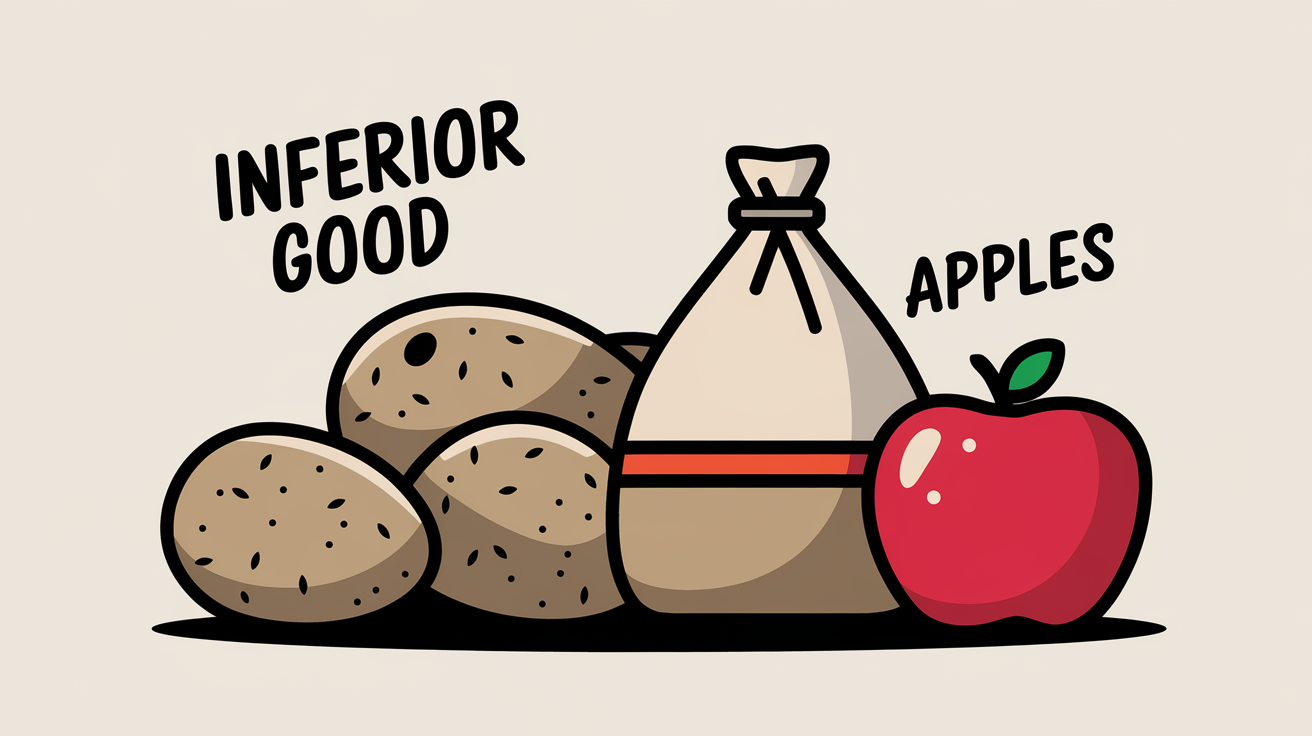
Higher consumer income usually increases demand for normal goods, while demand for inferior goods may decrease.
What is the substitution effect?
The substitution effect occurs when consumers replace a more expensive good with a cheaper alternative as prices change.
Can demand curves ever slope upward?
Yes, in rare cases like Giffen goods, demand increases as price rises due to strong income effects.
Why is demand theory important?
Demand theory helps explain consumer choices, guides pricing strategies, and informs economic policies for better market outcomes.